How to Choose the Best Solar Energy System for Your Needs?
Choosing the best solar energy system for your needs can be daunting. With a growing number of options available, understanding what suits you is vital. The right solar energy system can enhance your home’s efficiency and reduce energy costs. However, different factors must be taken into account.
Consider your energy consumption patterns. Each household has unique demands. Assessing your monthly energy bills can provide insights into what solar energy system fits your needs. Additionally, location plays a crucial role. Sunlight exposure varies by region, impacting system effectiveness. Seek expert advice to find an optimal solution for your circumstances.
Not all systems are equal. Features such as battery storage, inverter types, and warranty options can differ widely. Doing thorough research enhances your confidence in your choice. Reflecting on your preferences and situation will guide you to the most suitable solar energy system. The right choice can lead to significant savings and a smaller carbon footprint. Embrace the journey to clean energy for a sustainable future.
Understanding Your Energy Needs and Goals
When selecting a solar energy system, understanding your energy needs is crucial. Start by analyzing your current energy consumption. Look at your utility bills from the past year. Identify which months have the highest usage. These patterns will help you determine the size of the solar system you need.
Next, consider your goals. Are you aiming for complete energy independence or just reducing your bills? Maybe you want to lower your carbon footprint. Each goal will influence the type of system you select. For instance, if you live in a sunny area, smaller systems may suffice, unlike regions with less sunlight.
It's important to reflect on your lifestyle as well. Have you recently added appliances? Are your family dynamics changing? These factors can affect energy consumption. Sometimes, people underestimate their future needs. It’s vital to err on the side of caution. Overall, identifying your energy requirements and aspirations will guide you in choosing the most effective solar solution.
How to Choose the Best Solar Energy System for Your Needs?
| Criteria |
Details |
Importance Level |
| Energy Consumption |
Assess your average monthly energy use (kWh). |
High |
| System Size |
Determine the necessary panel capacity to meet your needs. |
High |
| Budget |
Estimate how much you can spend on installation and maintenance. |
Medium |
| Location |
Consider sunlight availability and shading on property. |
High |
| Incentives |
Research state and federal incentives for solar installation. |
Medium |
| Grid Connection |
Determine if you'll connect to the power grid or go off-grid. |
High |
| Warranty and Maintenance |
Check warranty terms for panels and inverter. |
Medium |
| Technology Type |
Choose between monocrystalline, polycrystalline, or thin-film panels. |
Medium |
Evaluating Different Types of Solar Energy Systems
When evaluating different types of solar energy systems, it’s essential to consider your specific energy needs. There are grid-tied, off-grid, and hybrid systems. Grid-tied systems are popular for their affordability and reliability. They use public utilities and provide backup power during outages.
Off-grid systems offer independence, perfect for rural areas but can be costly. Hybrid systems combine both for flexibility and energy savings.
Tips: Think about your location’s sunlight exposure. If your area has frequent cloudy days, an off-grid system may not be ideal. Look into battery storage options if you choose a grid-tied system. This ensures energy supply during peak demand times.
The installation process varies by system type. Grid-tied systems typically have a simpler setup. Off-grid systems require more equipment and maintenance. The pros and cons of each system require careful thought. Don’t rush your decision. Reflect on your energy usage patterns. Be realistic about your budget and future energy needs.
Sufficient research will lead to better long-term satisfaction with your solar energy system.
Assessing Your Home’s Solar Potential
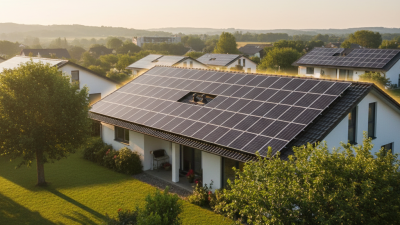
Assessing your home’s solar potential is crucial in choosing the best solar energy system. Start by evaluating the sunlight exposure your roof receives. A south-facing roof usually captures the most sun. Trees, buildings, or other obstructions can reduce this exposure. Check for any shading throughout the day.
Tips: Use a solar pathfinder tool. It helps visualize possible shading and sunlight patterns. A simple smartphone app can provide insights as well.
Next, consider your energy consumption habits. Analyze past utility bills to identify usage patterns. This will help determine how much energy you need from your solar system. More energy-efficient appliances can lower your overall needs. It's wise to explore upgrades to reduce consumption before installation.
Tips: Think about seasonal changes. Energy usage differs in summer and winter. A good system accounts for these variations.
Lastly, research local regulations and incentives. Local governments may offer rebates or tax credits for solar panel installations. Understanding these can influence how much you save. However, rules can change, and it’s essential to stay informed. Regularly check updates to ensure compliance and maximize benefits.
Comparing Costs and Financing Options
When considering a solar energy system, understanding costs and financing options is crucial. The initial investment can vary widely, depending on system size and installation complexity. On average, residential solar setups can range from $15,000 to $30,000. This upfront cost may intimidate some homeowners, but various financing solutions are available to ease the burden.
Many people opt for solar loans or leases. A solar loan allows homeowners to finance their system while reaping the benefits of energy savings. Payments can often be less than the typical utility bill. Leases, on the other hand, allow you to use solar energy without paying upfront. However, with a lease, you might miss out on important tax incentives.
Exploring incentives also plays a significant role. Federal tax credits can reduce the overall cost significantly. Local rebates may further enhance savings. It's essential to understand your potential return on investment. Some systems take longer to pay off than expected. Always evaluate your energy needs, local regulations, and available incentives before deciding. Careful consideration can lead to smart financial choices.
Comparison of Solar Energy System Costs and Financing Options
This chart provides a comparison of typical costs and financial incentives associated with solar energy systems. The upfront cost represents the initial investment, while the monthly lease and loan payment options are alternative financing methods. The tax credit percentage reflects potential savings for homeowners who invest in solar technology.
Choosing a Reputable Solar Installer
Choosing a reputable solar installer is crucial in maximizing your solar energy system's benefits. According to a Solar Energy Industries Association report, using a qualified installer can increase system efficiency by up to 20%. This is significant, as solar technology constantly evolves. A reputable installer should have extensive experience and certifications in the field. Research their background and client reviews before making a decision.
Tip: Check if the installer has certifications from recognized organizations. This confirms their competency and commitment to industry standards. It also shows they invest in ongoing training and education on new technologies.
Engaging with credible installers may seem overwhelming. Some providers might not offer upfront pricing or clear service packages. This can lead to confusion later on. It's essential to ask for detailed quotes and clarify all aspects of the service. Transparency is a sign of reliability.
Tip: Look for installers who provide warranties or guarantees for their work. This not only protects your investment but also demonstrates their confidence in their services. Prioritize communication; a good installer should be responsive and willing to address your concerns. Such interactions can reflect their customer service quality.