China Best Solar Power Panels for Global Buyers in 2026?
As the world shifts towards sustainable energy, solar power panels are becoming increasingly vital. The demand for high-quality panels is booming, especially from China, a leader in solar technology. In 2026, global buyers will seek panels that not only optimize efficiency but also address environmental concerns. The diverse range of solar power panels available can make the selection process overwhelming.
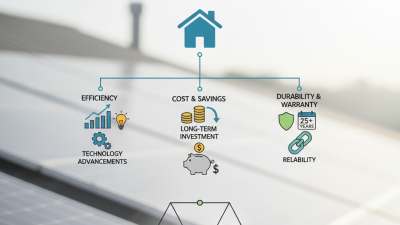
Buyers must consider durability, warranty, and performance ratings. Every project has unique needs, and what works for one may not work for another. It’s essential to seek expert guidance to navigate these options effectively. Quality variations exist, and while many panels perform well, some may fall short.
This landscape requires informed choices, reflecting both current innovations and potential pitfalls. Understanding the technical specifications is crucial. Investing in reliable solar power panels can lead to long-term savings and contribute to a greener planet. However, careful consideration is necessary to avoid poor investments. Keep an eye on emerging trends and technologies to ensure optimal selections for future energy needs.

Overview of China's Solar Power Panel Industry in 2026
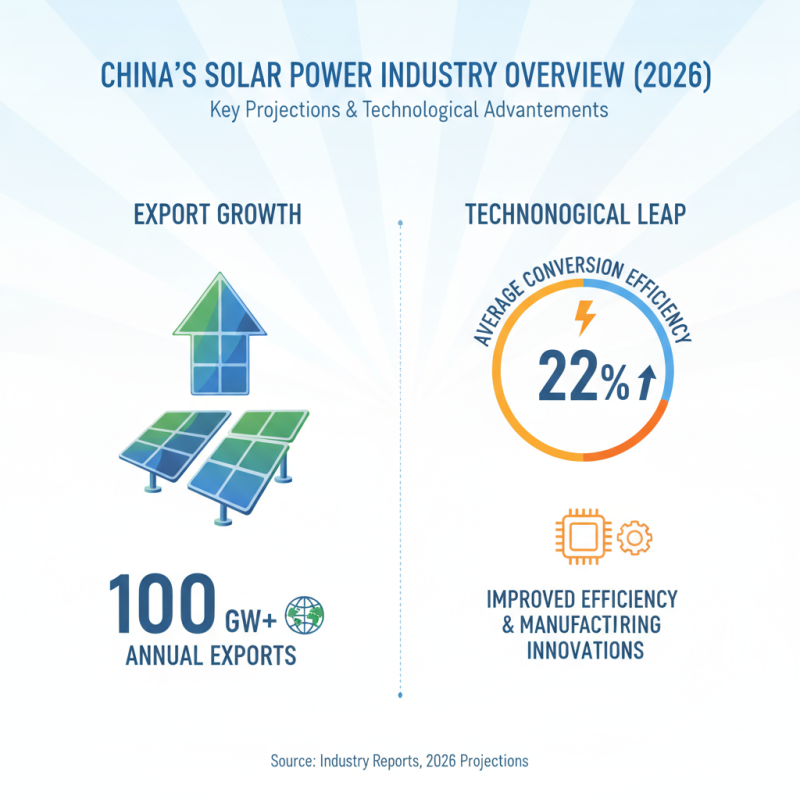
The solar power panel industry in China is poised for significant transformation by 2026. Recent reports indicate that China's solar panel exports are expected to reach over 100 gigawatts (GW) annually. This growth is driven by advancements in manufacturing efficiency and technology. The latest innovations include improved conversion efficiencies, now averaging around 22%, which enhance energy output.
However, the industry faces challenges. Supply chain disruptions and increased competition from emerging markets create uncertainties. In 2025, production costs may rise due to fluctuating material prices. This factor could affect profit margins, calling for strategic adjustments from manufacturers. Moreover, environmental concerns regarding recycling and sustainability of solar panels remain critical. As the sector grows, addressing these issues will be essential for long-term viability.
Experts emphasize the importance of maintaining high quality standards. Reports show that panels with lower quality can lead to reduced efficiency and shorter lifespan. Consequently, ensuring robustness in production processes is crucial. This accountability will likely dictate which companies thrive in the competitive landscape ahead, facilitating a move towards more environmentally responsible practices.
Key Manufacturers of Solar Panels in China and Their Innovations
In 2026, China's solar panel industry continues to lead globally, showcasing remarkable innovations from key manufacturers. Companies focus on enhancing
efficiency rates and reducing costs. Recent studies reveal that over 60% of the world's solar panels are produced in China. This dominance emphasizes the country's commitment to renewable energy and sustainability.
Many manufacturers are investing heavily in research and development. They are adopting advanced technologies like bifacial solar cells and integrated energy storage systems. According to industry reports, innovations in panel design have increased energy output by up to 20%. This leap is crucial for meeting global energy demands.
Tips: When selecting solar panels, consider efficiency and durability. Panels that perform well in diverse weather conditions can offer better long-term value. Additionally, check for warranties that indicate manufacturer confidence. Some companies may overstate their products' capabilities, so thorough research is essential. Be critical of any claims that sound too good to be true.
Comparative Analysis of Solar Panel Technologies in 2026
In 2026, the solar panel industry will showcase diverse technologies. Comparing these can be crucial for global buyers. Some solar panels emphasize efficiency. Others focus on cost-effectiveness. As technology evolves, buyers must weigh these factors.
Thin-film technology has gained traction. It is lightweight and easy to install. However, it may not be as efficient in low-light conditions. Many users experience challenges in maximizing its potential. High-efficiency panels utilize monocrystalline cells. They perform better in limited space but come with a higher price tag.
**Tips:** Always consider the warranty offered. A long warranty indicates reliability. Research local regulations on installation and efficiency standards. Knowing these can save future headaches. Lastly, verify the certifications of the panels. Reliable certifications assure compliance with safety standards.
Market Trends and Consumer Preferences for Solar Panels Globally
In 2026, global trends in solar panel consumption reveal a shift towards sustainability and efficiency. Consumers now prioritize energy efficiency over cost alone. As climate awareness grows, buyers seek options that provide the best return on investment over time. This commitment to greener alternatives has seen increasing interest in solar panels that not only generate power but also integrate smart technology.
Market preferences indicate a desire for user-friendly solutions. Many buyers want panels that offer easy installation and require minimal maintenance. Some consumers still express concerns over aesthetics; they prefer panels that blend seamlessly with their homes. Feedback often highlights a need for solutions that do not compromise the building's design. There’s also a noticeable gap in understanding technology’s role in optimization; many consumers lack knowledge about smart monitoring systems.
Global buyers are now more discerning. They demand reliability and performance data before making decisions. Yet, there is room for improvement in educating consumers about long-term benefits. Many potential buyers hesitate due to the initial costs. This presents an opportunity for the industry to communicate more effectively through transparent data and real-life case studies.
Global Solar Panel Market Trends and Consumer Preferences (2026)
Regulatory and Environmental Factors Influencing Solar Panel Trade
Regulatory and environmental factors significantly impact the global solar panel trade. Governments worldwide are enacting stricter regulations to curb carbon emissions. According to a report by the International Energy Agency (IEA), global solar capacity could exceed 3,000 GW by 2026. This growth will depend heavily on supportive policies and regulations.
Environmental certifications are becoming essential for manufacturers. Many buyers prioritize panels that meet high environmental standards. These preferences reflect a growing awareness of sustainability. The Global Solar Energy Alliance states that over 70% of buyers now consider environmental impact a top priority. This trend indicates a shift in market dynamics.
Strict regulations can pose challenges, too. Some regions may impose tariffs and import duties. This can lead to higher costs for consumers. Trade barriers can create uncertainties in supply chains. Addressing these issues requires collaboration among industry stakeholders. Buyers must stay informed about evolving regulations. Understanding these factors is crucial for making informed purchasing decisions in the solar panel market.