Why Choose Solar Panels for Home Use to Save Money?
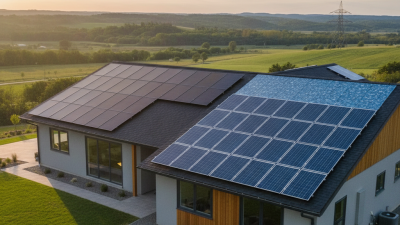
Investing in solar panels for home use has gained popularity in recent years. Homeowners seek ways to reduce energy costs and minimize carbon footprints. Solar energy offers a trustworthy solution to these challenges.
Solar panels provide an efficient energy alternative. They harness sunlight and convert it into electricity. By installing solar panels, homeowners can significantly lower their monthly energy bills. Additionally, many regions offer incentives, making the installation affordable. Yet, not all households benefit equally from solar energy. Factors like location, sunlight exposure, and roof orientation play a crucial role.
Many individuals remain hesitant about taking this step. Concerns about the initial investment and long-term savings linger. However, with proper research and expert consultation, homeowners can determine their potential for savings. Choosing solar panels for home use is not just about financial gain; it’s also a commitment to sustainable living. Every small decision contributes to a larger impact on the environment and future generations.
Benefits of Solar Panels in Reducing Energy Costs
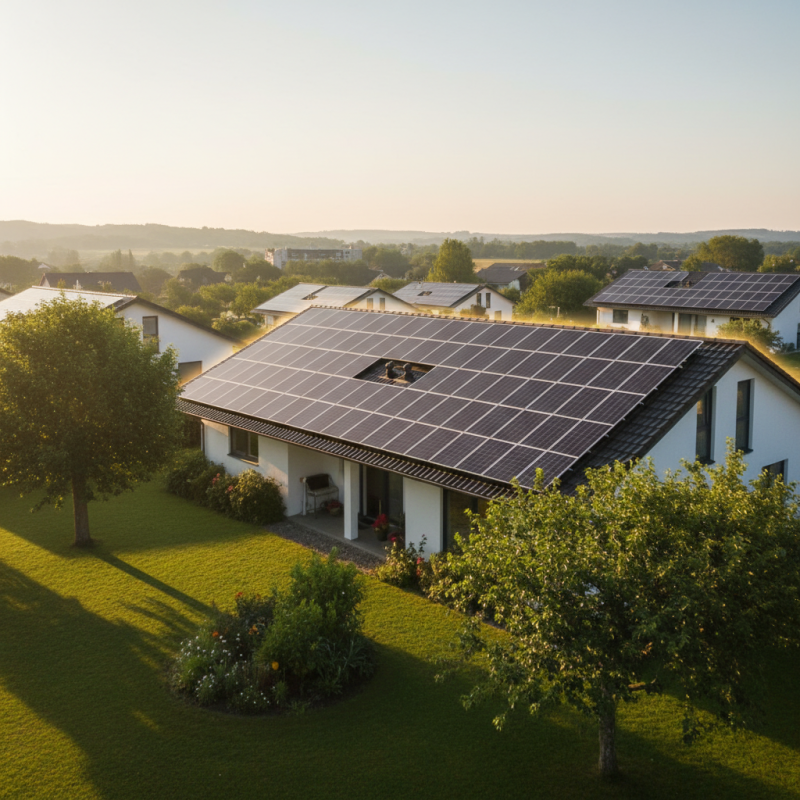
Solar panels have emerged as a smart investment for homeowners seeking to reduce energy costs. According to the U.S. Department of Energy, solar energy can cut electricity bills by up to 70% over 20 years. The average residential solar panel system can save homeowners around $1,500 annually. This reduction varies based on energy consumption and local utility rates, but the trend remains clear.
Sunshine is abundant in many regions. For instance, states like California enjoy over 250 sunny days a year. This makes solar panel efficiency particularly high. Homeowners can potentially earn a return on investment within five to seven years. However, initial costs can deter some, leading to a gap between potential savings and actual adoption.
Installing solar panels also increases property value. A study by the National Renewable Energy Laboratory shows homes with solar systems sell for about 4% more than similar homes without solar. Yet, potential buyers must consider local regulations and incentives. It's essential to research before making a decision. A well-informed approach not only secures savings but also ensures a responsible investment in sustainable energy.
How Solar Energy Works to Save Money for Homeowners
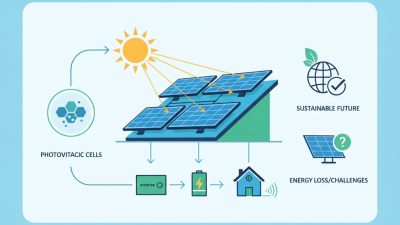
Solar energy offers a practical solution for homeowners aiming to cut costs. It works by converting sunlight into electricity. Solar panels capture sunlight, and the inverter transforms it into usable power. This reduces dependence on traditional energy sources. By generating your own electricity, you can lower monthly bills significantly.
Investing in solar panels might seem daunting at first. Initial costs can be high, and installation requires careful planning. However, many find that the long-term savings outweigh these early expenses. Additionally, government incentives may help. The more energy you generate, the more money you save over time.
Homeowners can monitor their energy usage easily with smart technology. This helps in understanding when to optimize solar energy. Awareness of energy consumption can lead to further savings. Implementing energy-efficient practices can enhance this financial benefit. It's vital to reassess your energy habits regularly. Many still rely on outdated methods, missing out on potential savings.
Initial Investment vs. Long-term Savings of Solar Panel Installation
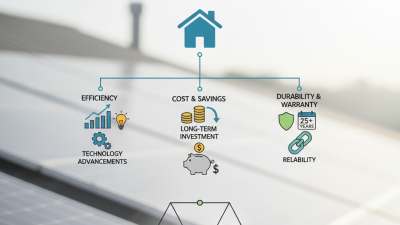
The initial investment in solar panels may seem daunting. Homeowners often worry about the upfront costs. However, understanding long-term savings can change that perspective. While the average installation can range from several thousand dollars, the return on investment is significant over time.
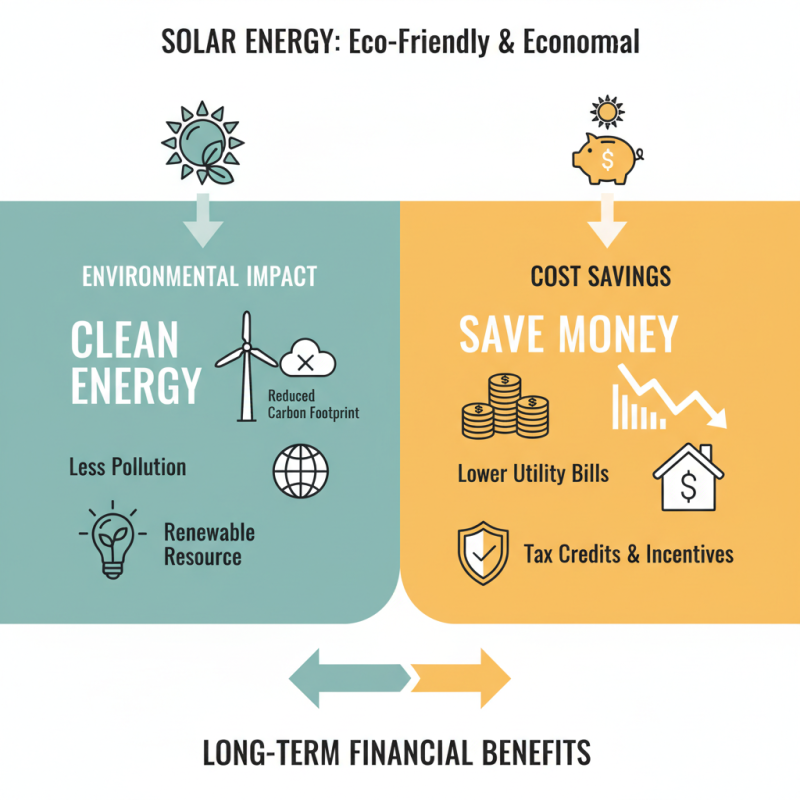
Many states offer tax credits and rebates, making solar energy more affordable. Savings can also come from reduced electricity bills. A typical household with solar panels could save up to 50% on energy costs. But it’s important to analyze your energy usage and local rates. This helps in calculating potential savings accurately.
Tip: Consider financing options. Many companies offer low-interest loans to ease the burden of initial costs.
Solar panels have a lifespan of 25 years or more. This means persistent savings year after year. However, maintenance is necessary. Infrequent cleaning and checking the system’s efficiency can help sustain energy production.
Tip: Regularly monitor your solar output. Spot any drop in production quickly to avoid unexpected costs.
While solar energy offers numerous benefits, be cautious. Not every home is suitable for solar panels due to space or orientation issues. Evaluate your property’s conditions before making a decision.
Government Incentives and Rebates for Solar Panel Users
Solar panels represent a significant financial opportunity for homeowners. Government incentives can further enhance savings. Many states offer tax credits, rebates, and grants to encourage solar adoption. For instance, the Federal Solar Investment Tax Credit (ITC) allows homeowners to deduct 26% of installation costs from federal taxes. This percentage is expected to decline over the years, making it crucial to act sooner rather than later.
In addition, some states provide performance-based incentives. These rewards depend on the energy produced by solar panels. According to the Solar Energy Industries Association (SEIA), homeowners can save thousands of dollars over the lifespan of their systems when combining these incentives. It’s important to do proper research and understand the specific programs in your area.
Tip: Check your local government's website for up-to-date information on available incentives.
Homeowners may hesitate due to upfront costs. However, considering long-term savings is essential. Evaluate solar as an investment. Some reports suggest homeowners can see a return on investment in as little as five years. Understanding local policies can empower you to make smarter decisions.
Tip: Consult a solar energy expert to analyze potential savings.