How to Choose the Right Residential Solar Systems for Your Home?
Choosing the right residential solar systems for your home is crucial for maximizing energy efficiency and savings. In recent years, the residential solar market has seen significant growth. According to the Solar Energy Industries Association, residential solar installations have jumped by over 30% from 2020 to 2023. This trend reflects a growing awareness of sustainability and energy independence.
Experts emphasize the importance of making informed choices. Dr. Emily Chan, a recognized authority in solar energy systems, states, “Understanding your energy needs is key to selecting the right solar solution.” Many homeowners overlook factors like roof orientation, local climate, and energy consumption patterns. These elements greatly influence the effectiveness of solar systems.
While solar systems offer long-term benefits, they also require a thorough evaluation. Not every system suits every home. It’s vital to consider variations in system performance and potential maintenance issues. Researching different options can feel overwhelming. Balancing cost, installation time, and efficiency requires careful thought. Mistakes in selection can lead to financial loss and dissatisfaction. Thus, a thoughtful approach is essential when navigating the residential solar landscape.
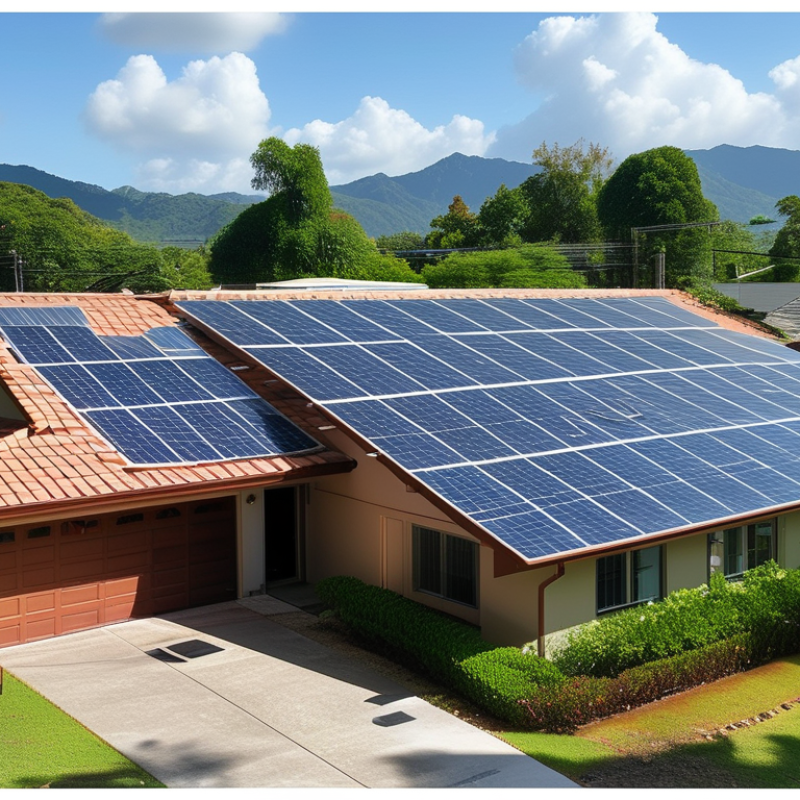
Understanding Your Energy Needs and Consumption Patterns
Understanding your energy needs is crucial when selecting the right residential solar systems for your home. Begin by tracking your energy consumption patterns over a few months. Look at your utility bills and note the peak usage times. This data shows how much energy you consume daily and can highlight trends. Keep in mind that energy usage may fluctuate with seasons or lifestyle changes.
In addition, consider household appliances and their energy efficiency. Old appliances can consume more energy than newer, energy-efficient models. Reflect on whether you plan to upgrade your appliances soon. This can affect your overall energy needs and the size of the solar system you may require. Sometimes, families underestimate their needs, leading to inadequate system sizes. It’s vital to balance current consumption with anticipated future demands.
Moreover, think about how solar energy fits into your daily routine. Will you be home during the day to utilize solar energy? If not, using battery storage might be a good consideration. Evaluate how much sun your roof gets throughout the year. Remember that shading from trees or buildings can impact solar panel efficiency. Ultimately, take the time to reflect on your unique energy landscape for informed decisions.
Evaluating Different Types of Residential Solar Systems
When evaluating different types of residential solar systems, it's essential to understand your specific needs.
Solar panels come in various forms, including
monocrystalline, polycrystalline,
and thin-film. Each type has its efficiency and suitability for different roof types.
Monocrystalline panels are generally more efficient and
space-saving, while polycrystalline may offer a lower initial cost. Thin-film options are often lighter and flexible,
ideal for unique installations.
Tips: Consider your roof size. If space is limited, opt for high-efficiency panels. Evaluate local weather conditions too.
Some systems perform better in cloudy climates. Think about your energy needs. A system must match your consumption patterns
to maximize benefits.
Beyond types, installation plays a critical role. Poorly installed systems can reduce output and longevity.
Look for qualified installers with solid reviews. Ask about warranty options and maintenance requirements. It’s easy to overlook these aspects
when focusing on cost. Remember, the cheapest option may not provide long-term value.
Regular check-ups are crucial to ensure the system functions optimally. Be proactive about maintenance
to avoid costly repairs later.
Assessing Available Space and Roof Orientation for Solar Installation
When planning for solar installation, evaluating available space and roof orientation is crucial. According to the National Renewable Energy Laboratory (NREL), solar panels perform optimally when facing true south in the Northern Hemisphere. Spaces with less shading, such as a clear roof section or a south-facing yard, can generate up to 25% more energy.
Homeowners should measure the roof's angle and assess its size. A pitch between 15 to 40 degrees is ideal for solar efficiency. Using tools like solar pathfinders can help identify shading patterns throughout the day. A recent study by the Solar Energy Industries Association (SEIA) found that approximately 30% of potential solar installations are hindered by roof obstructions, such as chimneys or trees.
Even small miscalculations in space or orientation can lead to underperformance. It is essential to visualize how solar panels will fit into your home's architecture. Often, roofs with complex shapes or multiple levels can complicate installation. Take time to reflect on these factors before committing to a solar installation plan. Engaging with an experienced solar consultant can provide valuable insights tailored to your home’s specifics.
How to Choose the Right Residential Solar Systems for Your Home?
| Dimension |
Details |
| Available Roof Area |
300 - 600 sq. ft. |
| Roof Orientation |
South, Southeast, Southwest |
| Tilt Angle |
15° to 40° optimal |
| Sunlight Exposure |
4 - 6 hours daily |
| Local Climate |
Sunny, minimal shading |
| Type of Solar System |
Grid-tied or Off-grid |
| Estimated Energy Needs |
200 - 800 kWh/month |
Calculating Costs and Return on Investment for Solar Systems
When considering solar systems for your home, cost analysis is crucial. The initial investment can be significant. Factors such as system size, type of panels, and installation costs play a role. It's essential to gather quotes from different installers. Comparing prices can help you find the best option for your budget.
Calculating return on investment (ROI) is not straightforward. You need to consider local energy rates and available incentives. Some areas offer tax benefits or rebates, which can lessen the upfront costs. Additionally, think about your energy needs and usage patterns. This helps in estimating how much you can save on your utility bills.
Monitoring energy production and maintenance costs is vital. Over time, systems may require repairs or replacement parts. These expenses can affect your overall savings. Reflecting on the long-term benefits versus immediate costs is also important. It's not just about the savings; it's about the environmental impact too. Understanding these factors ensures you make an informed decision.
Researching Local Incentives and Regulations Related to Solar Energy
When considering solar energy, local incentives and regulations are crucial. Different regions offer various rebates and tax credits. Researching these options can significantly lower your installation costs. Understanding specific state regulations also ensures compliance. Failing to do so might lead to legal issues.
Dive into local government websites for updated information. Many municipalities have solar programs that can guide you. Don’t overlook utility providers, as they may have unique incentives. Connecting with local solar installers can also reveal lesser-known benefits. Their insights can be invaluable.
Engaging with your community's solar energy forums can enhance your decision-making. Use these platforms to understand common hurdles and successful strategies. It’s vital to stay informed and adapt to changing policies. The solar landscape isn’t static; it requires continuous learning.