Become a SmartFlower
Dealer or Installer.

10 Best Solar Power Systems for Homes in 2026

Choosing a home solar system in 2026 means comparing more than panel wattage. The right setup should match your roof, electricity use, budget, and plans for backup power. A family running air conditioning through warm evenings may value battery storage differently from a household that uses most power during daylight.

This guide explores ten solar power systems for homes, including options with integrated batteries and flexible configurations. It considers usable capacity, efficiency, warranty coverage, monitoring tools, and compatibility with common home energy needs. Real homes differ. A system that suits a sunny, spacious roof may not work as well on a shaded roof or a smaller property.

Specifications help, but they do not tell the whole story. Installation quality, local sunlight, utility rules, and available service can affect real-world performance. Ask for an itemized quote, check the equipment warranty, and confirm whether the installer has experience with your roof type. Battery backup also deserves a closer look: its value depends on what you need to keep running and for how long.

Prices and product availability can change, so treat the comparisons as a starting point rather than a final buying decision. Some details may look less decisive on paper than they feel during a power outage. That is worth considering. The systems ahead offer different trade-offs, helping homeowners identify promising candidates and questions to raise before signing a contract.
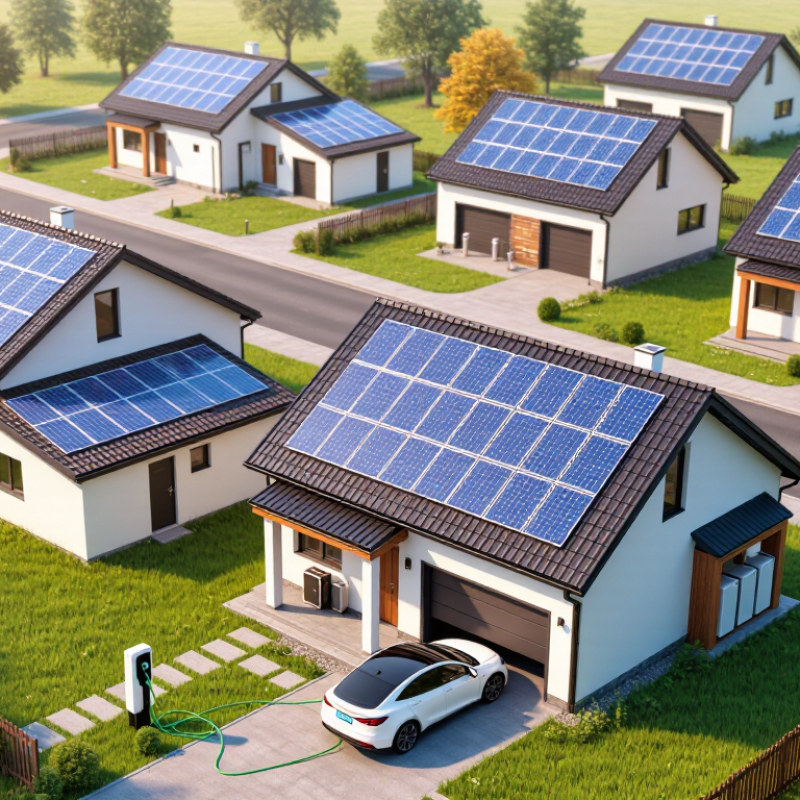
10 Best Solar Power Systems for Homes in 2026

How Residential Solar Power Systems Work in 2026

On a sunny roof, photovoltaic cells turn light into direct current electricity. An inverter converts that electricity into alternating current, which household appliances use. The power then reaches the home’s electrical panel. Lights, a refrigerator, and other active devices draw from it as needed. No sunlight? The home can draw electricity from the grid or a battery, if one is installed.

Not quite that simple. A shaded vent or dusty panel can reduce production, and output changes with the weather and season. When panels make more power than the home uses, a battery may store the surplus; otherwise, it may flow to the grid. Any credit for exported electricity depends on the utility’s rules and the system setup. At night, a battery can supply stored energy, but it may not run every circuit. Backup power can require compatible equipment and selected circuits. A monitoring app can show daily production and use, though its estimates are not a substitute for an electrician’s inspection. Roof condition, shade, household demand, and battery needs all affect system design. Small details matter. A vent’s shadow can be easy to overlook.


Key Factors for Evaluating Home Solar Systems

A home solar system should match the electricity you actually use, not just the largest capacity that fits on a roof. Review twelve months of utility bills and note seasonal changes, such as heavier air-conditioner use in July. Compare the system’s estimated annual production with your household’s demand. Real roofs are messy. Nearby trees, chimneys, roof direction, and local weather can all affect output.

Check what the quote includes: panels, inverter, mounting hardware, monitoring, installation, and any battery. A battery may help during evening use or outages, but it adds cost and needs enough capacity for your essential appliances. Ask how the installer calculated projected savings, and whether the estimate accounts for shading and future utility-rate changes. That matters. Estimates are not promises, and small assumptions can shift the payback period.

Look closely at equipment and workmanship warranties, service terms, and expected maintenance. Ask for the system design, production assumptions, and itemized costs in writing. Confirm the installer’s relevant qualifications, insurance, and references for comparable homes. Then compare proposals using the same system size and assumptions. One detail is easy to overlook: a low price may exclude repairs to an aging roof or electrical upgrades. I would not treat a neat spreadsheet as proof that a system will perform exactly as predicted.

10 Best Solar Power Systems for Homes in 2026 — Key Factors for Evaluating Home Solar Systems

These are system types rather than brand-specific products. Annual generation is an approximate planning range based on 1,200–1,600 kWh per installed kW per year; actual output depends on location, roof orientation, shading, weather, and system design.

System type Typical solar array Battery storage Approx. annual generation Configuration and key strengths Best suited for
1. Grid-tied, no battery 4–8 kW None 4,800–12,800 kWh Grid-connected inverter; typically the simplest setup. Standard grid-tied systems generally shut down during an outage unless designed with approved backup capability. Homes focused on reducing electricity purchases where the grid is dependable.
2. Grid-tied with partial-home backup 5–9 kW 5–10 kWh 6,000–14,400 kWh Hybrid inverter and selected backup circuits can keep essential loads operating when configured for islanding; available backup depends on battery and inverter capacity. Households that want backup for essentials such as refrigeration, lighting, and communications.
3. Grid-tied with whole-home backup 8–12 kW 15–30 kWh 9,600–19,200 kWh Larger storage and properly sized backup equipment can support more household circuits. High-demand appliances may require load management or additional capacity. Homes with frequent outages or a strong preference for broader backup coverage.
4. Solar plus battery for time-of-use shifting 6–10 kW 10–20 kWh 7,200–16,000 kWh Battery controls can store some daytime solar energy for later use. Financial benefits depend on utility rates, export compensation, and battery efficiency. Homes with time-varying electricity rates and substantial evening consumption.
5. Solar system with microinverters 4–10 kW Optional, 5–20 kWh 4,800–16,000 kWh Each panel has its own inverter, which can help limit the effect of uneven shading between panels. Equipment choice should account for monitoring, serviceability, and battery compatibility. Roofs with multiple orientations, partial shade, or panel-level monitoring needs.
6. Solar system with string inverter and optimizers 5–10 kW Optional, 5–20 kWh 6,000–16,000 kWh Panel-level power electronics are paired with a central inverter. Compare monitoring detail, replacement procedures, and the system’s backup operating mode. Homes seeking panel-level performance management with a central conversion system.
7. Solar and battery system for an EV household 8–12 kW 10–20 kWh 9,600–19,200 kWh System sizing should include actual vehicle charging needs. A compatible EV charger and load management can help coordinate charging with solar output. Households that charge one or more electric vehicles at home.
8. Solar and battery system for an all-electric home 8–14 kW 15–30 kWh 9,600–22,400 kWh Designed around electric heating, cooling, cooking, water heating, and other loads. Heat-pump operation and winter demand can strongly affect sizing. Homes replacing fossil-fuel appliances or planning electrification.
9. Expandable hybrid solar system 5–10 kW initially 5–15 kWh initially; expandable if supported 6,000–16,000 kWh A hybrid inverter can connect solar, storage, and the grid. Check expansion limits, compatible battery options, and whether added equipment requires a new design or permit. Households expecting future EV, battery, or appliance upgrades.
10. Off-grid solar with generator backup 10–20 kW 30–60 kWh or more, sized to loads 12,000–32,000 kWh Requires careful seasonal energy planning, battery capacity, and often a generator for extended low-sun periods. These figures are illustrative; remote-site design must use measured loads and local solar data. Remote properties without a practical grid connection.

Before comparing proposals, review the estimated annual household consumption, usable battery capacity, inverter output, outage operation, roof condition, warranties, permitting, and local utility interconnection rules. Generation estimates are not a guarantee of savings or backup duration.

Ten Leading Solar Power Systems for Homes in 2026

A strong home solar system in 2026 is not simply the one with the largest panel count. Roof direction, winter shade, evening usage, and outage needs all affect performance. Lawrence Berkeley National Laboratory’s Tracking the Sun 2024 report put the median installed price of residential systems in 2023 at about $3.1 per watt. That is a useful benchmark, not a quote for every home. Fit matters more.

Ten leading configurations deserve comparison: standard grid-tied rooftop solar; grid-tied solar with consumption monitoring; hybrid solar with a battery; essential-load backup; whole-home backup; battery dispatch for time-of-use rates; battery-ready solar; high-efficiency panels for tight roofs; ground-mounted residential solar; and off-grid solar with substantial storage. Each solves a different problem. A battery can keep selected circuits running, but it does not automatically power every appliance.

SEIA and Wood Mackenzie reported that U.S. residential solar installations fell 12% in 2023, a reminder that pricing and financing conditions shift. Ask for an hourly usage review, a roof-shade assessment, and separate estimates for panels, batteries, and electrical upgrades. Check what happens on cloudy winter days, too. Not glamorous, but important. A large battery may look reassuring on paper and still be poorly matched to a household’s actual evening demand.

Comparing System Costs, Performance, and Warranties

Comparing home solar systems in 2026 means looking beyond the advertised price. A typical 7-kilowatt system may cost several thousand dollars more or less depending on local labor, roof access, equipment, and electrical upgrades. Ask for itemized quotes, not just a monthly payment. That detail matters. A low upfront price can exclude a monitoring device or necessary panel work, while financing can make the total cost harder to see.

Performance depends on more than panel ratings. Roof direction, seasonal shade, local weather, and inverter efficiency all affect the electricity a system produces. Request an estimated annual output and compare it with your household’s past utility bills. Check the assumptions behind that estimate, especially if trees shade the roof in the afternoon. Forecasts are not promises. Even a careful comparison can miss future changes, such as adding an electric vehicle.

Warranties deserve the same scrutiny as costs. Compare coverage periods for panels, inverters, and installation labor; these may differ within one system. Read what happens if a component fails, including who arranges repairs and whether labor or shipping is covered. A long equipment warranty is less reassuring if labor costs fall to the homeowner. It is an easy detail to overlook, and warranty language can be confusing. Ask for the full terms in writing before choosing a system.

Residential Solar System Cost and Estimated Annual Output (2026)

Illustrative U.S. estimates assume an installed price of $3 per watt before incentives and annual production of 1,400 kWh per installed kW. Actual costs and output vary by location, roof, equipment, and installation. Solar panel performance warranties commonly extend to 25 years; inverter warranties often range from 10 to 15 years, depending on the product.

How to Choose and Install a Home Solar System

Choosing a home solar system starts with the roof, not the equipment list. Check its age, usable area, orientation, and afternoon shade; a chimney shadow can cut output more than expected. The U.S. Energy Information Administration estimated average household electricity use at about 10,791 kWh per year in 2022. Use your own utility bills, not that national average, to size a system. NREL’s PVWatts tool estimates production from location and system details. Compare its estimate with your usage across seasons. Small shade matters. I would treat any estimate as a planning range, not a promise.

Before signing, ask an installer to explain panel capacity, inverter choice, expected annual output, and how production may change in cloudy months. Get the roof condition checked; replacing shingles after panels go up can mean extra labor. Confirm who handles permits and utility interconnection, and request an itemized quote with equipment, labor, and warranty terms. NREL’s residential solar guidance recommends assessing energy use and the home’s solar potential before installation. That sequence is practical, though real roofs rarely match neat calculator inputs. Keep the proposal and production assumptions for later comparison.