How to Generate Solar Electricity for Your Business?
For many companies, solar electricity has moved from a sustainability ambition to a practical operating decision. The International Energy Agency’s Renewables 2024 report projects that global renewable capacity will expand by nearly 5,500 gigawatts between 2024 and 2030. Solar photovoltaic systems will provide most of that growth. The business question is no longer simply whether sunlight is available. It is whether your building, demand profile, budget, and grid connection can support a reliable project.
The numbers are encouraging. IRENA’s Renewable Power Generation Costs in 2023 report found that 91% of newly commissioned utility-scale renewable projects produced electricity more cheaply than new fossil-fuel alternatives. However, a lower generation cost does not guarantee lower bills for every business. Roof strength, shading, seasonal demand, export limits, maintenance, and battery costs can change the result. Small details matter. A shaded warehouse roof can undermine an attractive proposal.
Fatih Birol, Executive Director of the IEA, has said, “Solar PV is today the cheapest source of electricity in history.” That statement deserves careful interpretation. It describes technology costs, not every commercial installation. Businesses should compare verified production estimates, tariff structures, financing terms, and payback periods before signing contracts. A clear assessment should begin with twelve months of electricity bills and interval data. It should then examine roof space, daytime consumption, storage needs, and local interconnection requirements. This guide explains how to build that assessment, avoid weak assumptions, and design a solar electricity strategy that supports both financial resilience and credible environmental progress. Mistakes remain possible. Good decisions make them visible early.
Business Solar Electricity: Core Technologies and System Components
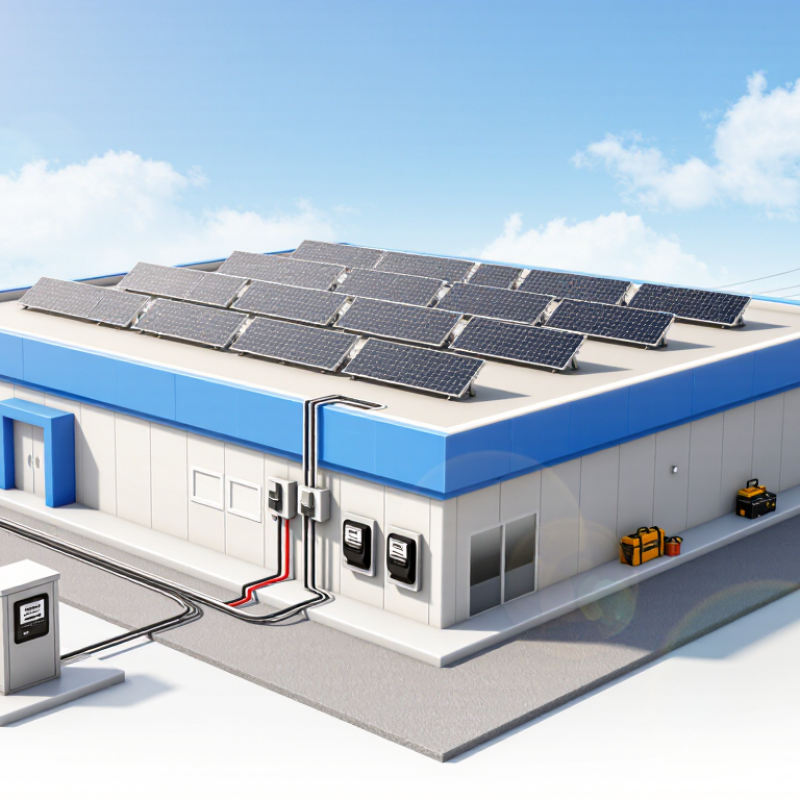
For a business, solar electricity begins with the load profile, not the roof. Photovoltaic modules convert sunlight into direct current. An inverter changes it into usable alternating current. Racking fixes the array against wind, while combiner boxes, isolators, surge protection, and switchgear manage safety and distribution. Smart meters measure production and grid exchange. Batteries are optional, but they can reduce peak-demand charges when properly sized.
The International Renewable Energy Agency reported 345.5 gigawatts of new solar capacity worldwide in 2023. This scale confirms solar’s maturity, yet commercial design remains site-specific. Engineers should compare hourly consumption, roof orientation, shading, local tariffs, and interconnection limits. A system producing more energy is not always more valuable. NREL research commonly places median photovoltaic degradation near 0.5% per year, so financial models should include gradual output loss. Real projects also face dust, inverter downtime, and imperfect maintenance. These details are easy to underestimate.
Tips: Request an interval-load analysis before selecting equipment. Keep clear maintenance access around inverters and switchgear. Consider batteries only after identifying expensive demand peaks. Ask for test records, protection settings, warranties, and a realistic performance estimate. Solar forecasting is useful, but clouds still win sometimes.
Assessing Your Site’s Solar Potential and Electricity Demand
Before sizing a solar system, measure the roof, not just the map. Record usable roof area, shading, slope, surface condition, and nearby obstacles. A tree casting shade at 10 a.m. may reduce output across several panels. Hourly electricity bills reveal more than monthly totals. Compare daytime demand, evening demand, seasonal peaks, and weekend loads.
Use a bankable solar assessment tool to estimate annual production from local irradiation and system orientation. The National Renewable Energy Laboratory’s PVWatts documentation applies a default system-loss assumption of about 14%, covering wiring, inverter, mismatch, and other losses. Actual results can differ. Dust, high temperatures, snow, and maintenance quality matter. A clean spreadsheet can still be wrong.
Match generation with the load profile. A facility using refrigeration or ventilation during sunny hours may consume much of its solar power directly. A warehouse with low daytime demand may export more electricity or require storage. The International Energy Agency Photovoltaic Power Systems Programme reported global photovoltaic capacity above 1.6 terawatts at the end of 2023, showing the technology’s scale, not guaranteed performance at one site. Request at least twelve months of interval data where available. Check transformer capacity, interconnection limits, and roof replacement plans before committing. Do not ignore weak evidence. A small shaded section may be more important than a large, unshaded roof.
Planning Installation, Grid Connection, and Energy Storage
How to Generate Solar Electricity for Your Business?
Planning starts with measured demand, not roof size. Collect 12 months of electricity bills and fifteen-minute load data. A 100-kilowatt rooftop system may produce about 400 kilowatt-hours daily under four peak sun hours, before losses. Weather, shading, dust, and temperature can reduce that figure. The International Energy Agency reported approximately 420 gigawatts of solar capacity additions worldwide in 2023. The opportunity is large, but a copied system design can still fail on one cloudy site.
Grid connection needs early engineering. Ask the utility about export limits, protection settings, voltage rise, metering, and required studies. Keep a single-line diagram and equipment certificates ready. A site visit should check roof loading, cable routes, fire access, and shutdown controls. These details often decide the schedule. Our first yield estimate may be wrong. Recheck it against local weather data and actual monthly bills.
Energy storage should follow operating needs, not excitement. Compare evening demand, outage-critical equipment, demand charges, and battery degradation. The National Renewable Energy Laboratory commonly models modern battery systems near 85% round-trip efficiency, meaning some stored energy disappears. A four-hour battery may support refrigeration or networking, but not an entire factory overnight. Leave room for maintenance and future expansion. IRENA’s Renewable Capacity Statistics 2024 recorded solar as the largest source of new renewable capacity, yet grid capacity remains a practical constraint. A cheaper battery is not always cheaper electricity.
How to Generate Solar Electricity for Your Business?
This planning scenario shows the monthly energy flow for a 100 kWp commercial rooftop solar system paired with a 200 kWh battery. Solar generation is allocated between on-site consumption and export to the grid.
Annual solar generation in this example is approximately 115.6 MWh. The battery helps increase the share of solar electricity used on-site, while surplus production is exported through the grid connection.
Operating, Monitoring, and Maintaining a Business Solar System
A business solar system needs more than sunlight and installed panels. Daily operation begins with a clear view of energy production, consumption, and system health. Review the monitoring dashboard regularly, preferably at the same time each morning. Compare today’s output with weather conditions and recent performance. A cloudy day should reduce generation, but a sudden drop on a clear day needs investigation.
Watch for inverter alerts, unusual temperature readings, and changes in battery behavior. Keep written records of production, inspections, repairs, and cleaning dates. These records support better decisions and provide useful evidence when performance declines. Meter readings should also be compared with electricity bills. Small differences can reveal measurement errors or hidden consumption.
Maintenance should follow the equipment manufacturer’s guidance and local electrical requirements. Qualified professionals should inspect wiring, connectors, mounting points, and protective devices. Panels may need cleaning when dust, pollen, or bird residue visibly reduces output. Do not walk on panels or open electrical enclosures without proper training. Safety comes before production.
Real sites are rarely perfect. A sensor may fail, or a dashboard may report data late. That is why visual checks still matter. I would not rely on one warning signal alone. Seasonal performance can also confuse an inexperienced operator. A careful review may show that the system is working normally, just under weaker sunlight. Clear procedures, trained staff, and honest records keep a solar investment reliable over time.