Top Tips for Choosing Smartflower Solar Panel Solutions?
Choosing the right solar panel system can be daunting. With many options available, homeowners often find themselves overwhelmed. One innovative solution is the smartflower solar panel. This unique system stands out for its design and efficiency.
The smartflower solar panel captures sunlight more effectively than traditional static systems. Its petals track the sun’s movement, ensuring maximum energy absorption. This feature can significantly increase energy output, especially in sunny locations. However, the initial investment may raise questions.
While the smartflower offers advanced technology, it’s essential to consider your specific needs. Not every home is suitable for its installation. The aesthetic appeal might not fit in every neighborhood. As you weigh your options, ensure you conduct thorough research and consult experts.
Overview of Smartflower Solar Panel Solutions: Key Features and Benefits
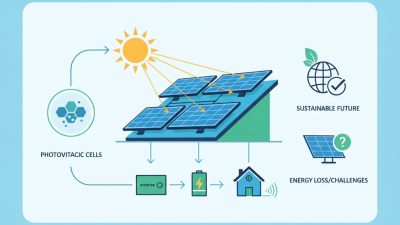
When considering Smartflower solar panel solutions, it is essential to focus on their key features and benefits. These innovative solar systems are designed to optimize energy production. They track the sun throughout the day, capturing up to 40% more sunlight than traditional panels. In regions with high solar potential, this efficiency can lead to impressive energy savings.
Smartflower systems are compact and aesthetically pleasing. Their design allows for easy setup and minimal space requirements. According to industry reports, the total solar power market is expected to grow by 25% annually through 2025. This growth indicates a strong shift towards renewable energy, making Smartflower a considerable option for urban homeowners.
When choosing a solar solution, consider your energy needs carefully. Assess how much electricity you consume monthly. A personalized solar plan can maximize your investment. Additionally, check local incentives. Many regions offer tax rebates for solar installation. Always ask about warranty and maintenance options to ensure long-term reliability. Investing in solar technology can seem overwhelming, but informed choices can lead to substantial benefits. Again, the efficiency and design of modern solar systems warrant careful consideration.
Top Tips for Choosing Smartflower Solar Panel Solutions
Evaluating Energy Efficiency: Understanding Smartflower Performance Metrics
Choosing the right solar panel solution involves careful evaluation of energy efficiency metrics. Performance metrics are key. They help determine how well the system converts sunlight into energy. For instance, look for efficiency ratings in the range of 15% to 20%. This range indicates a reliable conversion rate that maximizes power output.
Consider other factors like temperature coefficient and warranty. A lower temperature coefficient means the panel will perform better in high heat. Warranties that extend beyond 25 years often signal high durability. These aspects enhance trust in your investment.
When selecting Smartflower solutions, think about the installation environment. Landscape and orientation affect performance. An optimal setup can boost energy capture significantly. Don't overlook local weather patterns either. Regular analysis can improve your choice. Gathering information about needs is vital. Quality solar solutions respond to varied demands.
Top Tips for Choosing Smartflower Solar Panel Solutions
| Performance Metric |
Description |
Value |
Importance |
| Overall Efficiency |
Percentage of sunlight converted to electricity |
20% |
High |
| Energy Output |
Total energy produced in kWh per day |
5 kWh |
High |
| Durability |
Lifespan of the solar panel in years |
25 years |
Medium |
| Installation Time |
Average time required for installation |
1 day |
Medium |
| Warranty |
Coverage period for panel defects |
10 years |
High |
| Cost |
Average cost per watt |
$3.00 |
High |
Cost Analysis: Initial Investment vs. Long-Term Savings with Smartflower
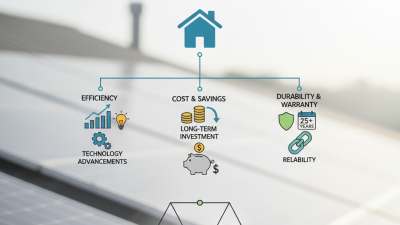
When considering solar panel solutions, the initial investment is crucial. Research indicates that the average cost of residential solar installations in the U.S. ranges from $15,000 to $25,000 before tax credits. However, the Smartflower solar panel system presents a unique option. Its distinctive design and efficiency can lead to significant long-term savings.
Over 25 years, homeowners can expect savings between $30,000 and $50,000. This figure accounts for local energy rates and incentives. Furthermore, studies show that systems like Smartflower can generate up to 40% more energy compared to traditional panels due to their tracking technology. This energy efficiency often justifies the higher upfront costs for many consumers.
However, not every area benefits equally from solar energy. Some regions may have lower sunlight exposure, impacting long-term savings. It’s essential to analyze energy consumption patterns and local climate conditions. This assessment helps gauge potential returns on investment, ensuring choices align with financial goals.
Balancing initial costs versus long-term benefits requires careful thought and regional considerations.
Installation Considerations: Site Suitability and Orientation for Optimal Output
Choosing the right installation site for solar panels requires careful consideration. Site suitability impacts energy output significantly. Flat open spaces are ideal, but they often may not be available. Choosing a location with adequate sunlight exposure is critical. Data shows that solar panels perform optimally with at least six hours of direct sunlight each day. Therefore, assessing nearby shading elements is essential.
Orientation plays a significant role in maximizing solar energy capture. Facing solar panels towards the south can enhance their efficiency. Industry data indicates that a 45-degree tilt can improve performance, aligning with the sun's position. However, in some areas, this orientation may not be feasible due to structural limitations. A flexible approach is necessary to accommodate roof angles and nearby obstacles. The reflection of sunlight from surrounding surfaces can also affect performance.
Mistakes are common when evaluating site suitability and orientation. A lack of thorough analysis may lead to suboptimal energy production. Homeowners often underestimate seasonal changes in sunlight exposure. Regularly updating an assessment based on seasonal data can be beneficial. Monitoring changes in the environment can ensure continuous optimization of solar energy use. Decisions must be informed and adaptable to specific site conditions.
Comparative Review: Smartflower vs. Traditional Solar Panel Systems
When exploring solar panel solutions, it's essential to compare options to find the best fit. Smartflower solar panels have unique features that differentiate them from traditional systems. Their design is compact, portable, and aesthetically pleasing, making them suitable for various environments.
One crucial tip is to evaluate energy production efficiency. Smartflower systems track the sun's movement, maximizing energy capture. Traditional panels often lack this feature, potentially resulting in lower output. However, their installation is typically simpler and can be more effective in larger arrays.
Consider your budget and long-term goals. Smartflower systems may have a higher initial cost, but they offer innovative technology and efficiency that can lead to savings over time. Still, traditional solar panels can be more reliable for many homeowners. Balancing these factors ensures that you choose the right solution for your energy needs.