China Best Solar Panels for House Which One Is Right?
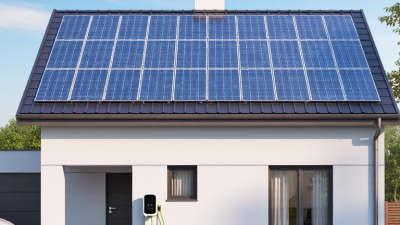
Choosing the right solar panels for house begins with your roof, electricity use, and budget—not a popularity list. Chinese manufacturers such as LONGi, JinkoSolar, Trina Solar, and JA Solar offer models with different efficiencies, warranties, and price points. Their specifications matter, but so does the installer’s design. A premium module cannot fix poor placement or avoidable shading.
Small details count. Check the panel’s power rating, temperature coefficient, product warranty, and expected degradation. These figures help you compare options under real conditions, not just bright showroom lighting. International Energy Agency Executive Director Fatih Birol has said, “Solar power is now the cheapest electricity in history.” That broader trend makes solar appealing, but it does not guarantee every household will save the same amount.
A panel can look perfect on paper and still be a poor fit. Ask for a roof-specific estimate showing expected annual production, equipment costs, and assumptions about shade. Compare the full system, including the inverter and any battery, rather than judging panels alone. A south-facing roof may perform differently from one with afternoon shade. Your electricity habits matter, too. I would not treat any single brand ranking as a final answer; local conditions can change the result. The best choice is the one whose documented performance, warranty, and installed cost suit your home. That takes careful checking.
How Residential Solar Panels Work in China
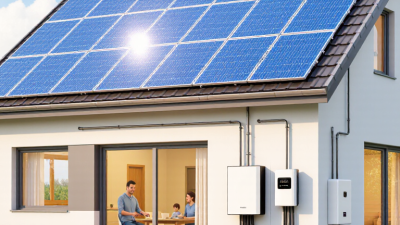
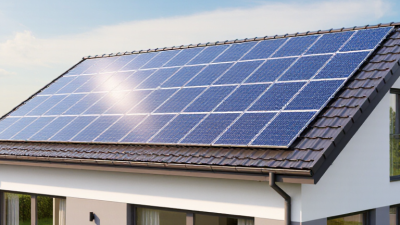
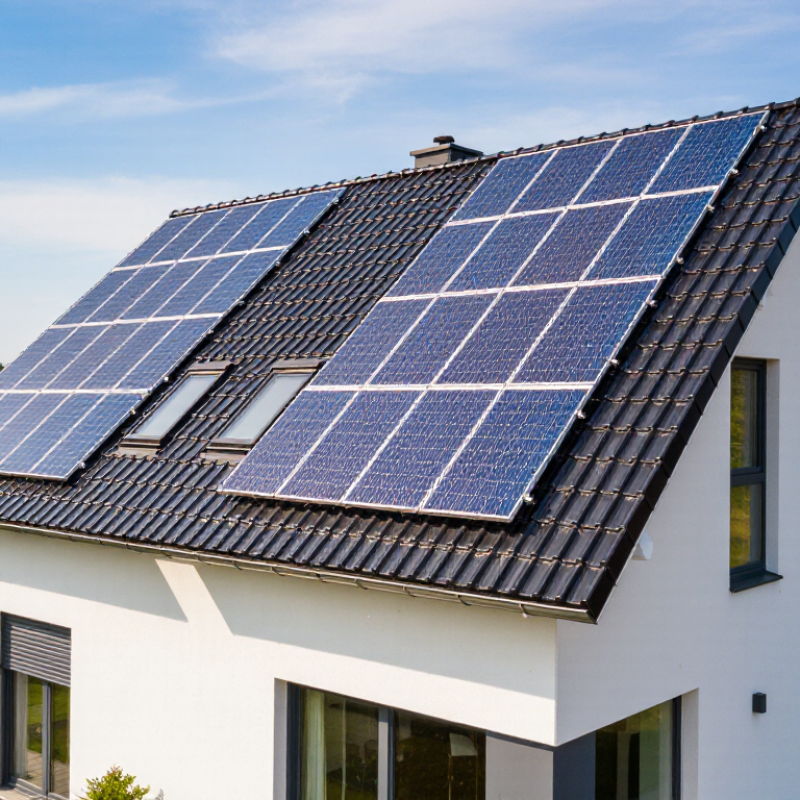
On a Chinese home, rooftop panels turn sunlight into direct-current electricity. An inverter converts it into alternating current, which household appliances can use. During a bright afternoon, solar power may run a refrigerator, lights, or a washing machine. If production exceeds demand, surplus electricity may be sent to the grid where local arrangements allow. At night, a grid-connected home usually draws power from the grid; a battery can store some daytime energy, but adds cost and needs suitable space. Simple, but not magic.
Tips: Check the roof for shade from trees, nearby buildings, and water tanks. Ask how the system performs in cloudy weather, and request estimates based on your actual electricity use. Confirm that the installer will assess roof condition, inverter placement, and local grid-connection requirements.
Panel choice is only part of the decision. In China, sunlight, summer heat, roof direction, and seasonal weather differ by region. A system that fits a sunny southern roof may not suit a shaded urban roof elsewhere. Compare expected yearly output and warranty terms, not just panel wattage. I would also leave room for uncertainty: real output can fall below estimates when dust, shade, or heat is overlooked. A careful site visit matters.
China: Which Solar Panel Is Right for Your Home?
How to read this chart: The bars show indicative module-efficiency ranges commonly found across residential panel technologies; they are not ratings for specific products. Higher efficiency can produce more power from limited roof space, while actual output also depends on roof orientation, shading, temperature, and installation quality. Compare current product specifications and quotes for your home.
Main Types of Solar Panels for Homes
Home solar panels mainly use monocrystalline, polycrystalline, or thin-film technology. Monocrystalline panels have dark cells and typically produce more power from a given roof area. That can help when a home has limited south-facing space. They often cost more, though, and the exact difference depends on the system and local market.
Polycrystalline panels have a blue, speckled appearance and generally offer lower efficiency than monocrystalline models. They may suit a larger roof where panel area is less restrictive. Availability varies, so compare current quotations rather than assuming they are always the cheaper choice. Roof space matters. Shade from a chimney or nearby tree can also reduce output, regardless of panel type.
Thin-film panels are lightweight and can be flexible, but usually need more area for similar power. They are less common on ordinary house roofs. I would not choose by color alone; that is an easy mistake. Check each panel’s rated power, efficiency, temperature behavior, and product warranty, then compare them with an installer’s roof assessment. A sunny afternoon is useful, but it cannot reveal every seasonal shadow.
How to Compare Panel Efficiency, Cost, and Durability
Panel efficiency matters most when roof space is limited.
A higher-efficiency panel can produce more power from the same area, but it may not deliver the best value if its price rises sharply. Compare estimated annual output for your actual roof, including shade, orientation, and local weather. Small differences matter. Ask for the assumptions behind each estimate, not just the headline wattage.
Compare total installed cost per watt, then consider expected energy production and replacement costs. IRENA’s Renewable Power Generation Costs in 2023 reported a 12% drop in the global weighted-average cost of utility-scale solar electricity, to about $0.044 per kilowatt-hour. That is useful context, not a household quote. Durability deserves equal scrutiny: a review by Jordan and Kurtz in Progress in Photovoltaics analyzed more than 2,000 degradation rates and found a median near 0.5% annually. Check product and performance warranties separately, plus certification for local wind, snow, and corrosion conditions. Still, roofs vary. A neat spreadsheet can miss a nearby tree’s growing shadow, and I would not treat a warranty as proof that every installation will perform equally well.
Assessing Your Home’s Energy Needs and Roof Conditions
Choosing solar panels starts with your household’s electricity use and the roof space that is actually clear. The U.S. Energy Information Administration reported that residential customers averaged 10,791 kilowatt-hours in 2022. Treat that as context, not a design target: heating, air conditioning, and electric vehicles change demand. Check a full year of bills and note seasonal peaks. NREL’s PVWatts model estimates solar output using factors such as location, system size, roof tilt, and direction. A neat estimate can still miss real-world shade.
Tips: Stand outside at different times and watch nearby trees, chimneys, and roof vents cast shadows. Check whether the roof needs repairs before installation. Small details matter. Ask for a site-specific production estimate, not just a panel-efficiency figure.
Roof shape and condition can narrow your options. NREL’s 2016 rooftop-solar technical-potential report estimated 1,118 gigawatts of potential capacity across U.S. rooftops, but a national estimate cannot tell you whether your own roof is suitable. Compare usable area with your expected annual use, and ask a qualified installer to assess shading and structural condition. South-facing roofs often perform well in the Northern Hemisphere, but orientation is only one factor. Tree shade may matter more.
Choosing a Solar Panel System for Your Household
Choosing a solar panel system starts with your household’s actual electricity use, not the biggest number on a product sheet. Review twelve months of bills and note when major appliances run, such as air conditioning in the afternoon or water heating at night. A family that uses most power after sunset may value battery storage differently from a home that is empty all day. Small detail, big difference.
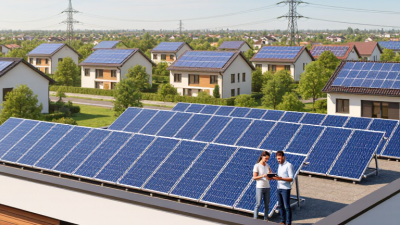
Next, assess the roof. Check usable area, age, nearby trees, and shade at different hours; even a chimney’s narrow shadow can affect panel output. Ask for an estimate based on local sunlight, roof direction, tilt, and expected system losses. Compare annual energy estimates and warranty coverage, and ask which maintenance tasks are excluded. I would not treat any forecast as a promise; weather and household habits change. Slightly inconvenient, but true.
Tips: Photograph roof shade in the morning and afternoon. Keep recent electricity bills ready for the assessment. Ask how the proposed system performs during cloudy periods, and request the assumptions behind its estimated output. A second estimate can reveal gaps, though comparing numbers only helps when both use similar assumptions.