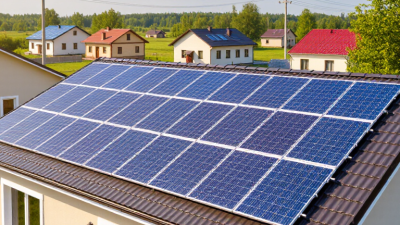
How to Choose the Best Solar Panels for Your Home
Choosing solar panels for your home starts with your roof, your electricity use, and your budget. A sunny roof helps, but shade from a chimney or nearby tree can change expected output. Roofs differ. So do household needs. A family using power during the day may value a different system than a home that uses most electricity in the evening. Panel efficiency matters, but it is only one part of the decision. Look at the system’s expected annual production, not just a prominent number on a product sheet.
This guide explains how to compare panel types, efficiency ratings, warranties, and installation quotes. You will also learn why roof condition, local weather, and available space affect a system’s suitability. Ask installers to explain their production estimates and the assumptions behind them. Compare those estimates with your electricity bills and request itemized quotes. Check warranty terms directly, since coverage can differ between panels, inverters, and workmanship. A high-rated panel is not automatically the best choice if it costs more without meeting a clear need. And estimates are still estimates. Actual results may vary with shade, temperature, system design, and maintenance. Take time to compare the details. A careful choice can help you find a system that fits your home, rather than one that merely looks impressive on paper.
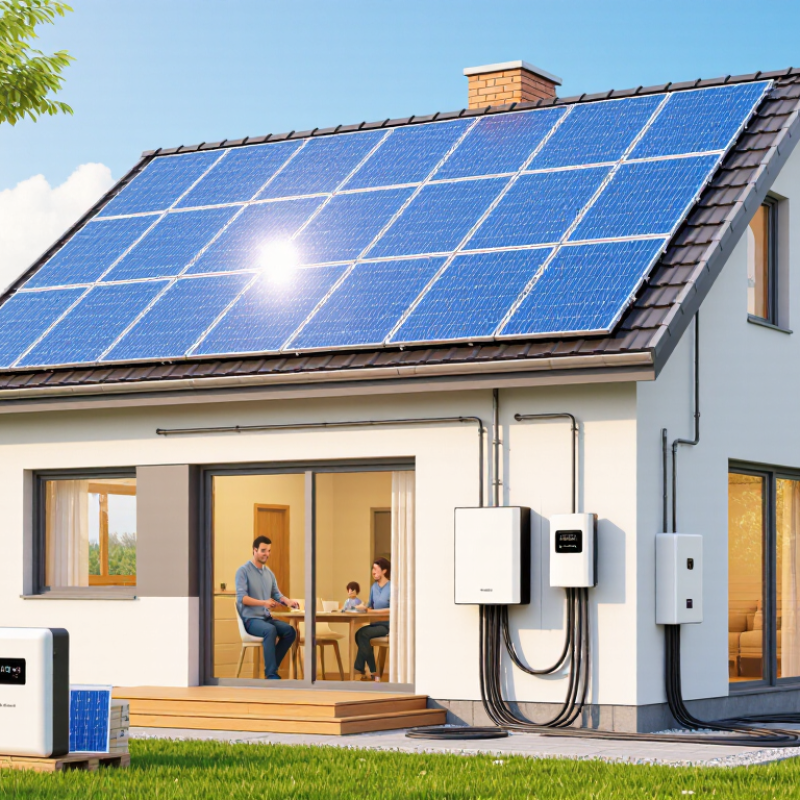
Determine Your Home’s Energy Needs and Usage Patterns
Before comparing solar panels, find out how much electricity your home actually uses. Check 12 months of utility bills, not just one recent statement. Record monthly kilowatt-hours and note seasonal shifts. Air conditioning can push summer use sharply upward, while electric heating may raise winter demand.
Then look beyond the totals. A home using most of its power after sunset has a different profile from one running laundry, cooling, or a heat pump during sunny hours. List major appliances and when they usually run. If possible, review hourly usage data from your utility; it can reveal peaks that monthly bills hide. Small details matter. An old freezer in the garage may run all day.
Use these patterns to estimate the system size you need, rather than choosing panels by roof area alone. Leave room for uncertainty: future electric appliances or a growing household can change demand. A spreadsheet helps, but it may miss habits that vary from week to week. My own first estimate would have been too neat. Compare your records with a qualified installer’s site assessment, and ask how shading, roof direction, and local weather affect the projected output.
How to Choose the Best Solar Panels for Your Home — Determine Your Home’s Energy Needs and Usage Patterns
Use your past electricity bills and household routine to estimate a suitable solar-system size. The examples below are planning estimates, not a substitute for a site-specific assessment.
| Household Usage Pattern |
Annual Electricity Use |
Average Daily Use |
Typical Higher-Use Period |
Assumed Peak Sun Hours |
Estimated PV Capacity |
Approx. 400 W Panels |
Estimated Annual Solar Output |
| Two-person household with efficient appliances and no electric vehicle |
6,000 kWh |
16.4 kWh |
Evening cooking, lighting, and entertainment |
4.5 hours/day |
About 4.6 kW |
12 panels (4.8 kW total) |
About 6,300 kWh |
| Three- to four-person household with regular air-conditioning use |
9,000 kWh |
24.7 kWh |
Afternoon cooling and evening household activity |
5.0 hours/day |
About 6.2 kW |
16 panels (6.4 kW total) |
About 9,300 kWh |
| Electrified household using a heat pump and charging an electric vehicle at home |
12,000 kWh |
32.9 kWh |
Heating or cooling demand, plus evening vehicle charging |
5.5 hours/day |
About 7.5 kW |
19 panels (7.6 kW total) |
About 12,200 kWh |
How these estimates were made: System capacity is estimated as average daily electricity use divided by peak sun hours and an 0.80 performance factor. Panel counts assume 400 W panels and are rounded up to a whole panel. Actual output depends on local sunlight, roof direction and pitch, shade, weather, system design, and seasonal usage. Compare bills across a full year, note when major appliances and vehicle charging are used, and check whether the roof has enough usable area before choosing a system size.
Compare Solar Panel Types, Efficiency, and Power Ratings
Choosing solar panels means comparing more than a headline wattage. Monocrystalline panels usually produce more power per square metre, which can help when roof space is limited. Polycrystalline panels are generally less efficient, while thin-film options are lighter and flexible but often need more area. Availability and performance vary, so check current product specifications.
Efficiency describes how much sunlight a panel converts into electricity. A higher percentage can matter on a small roof, but it does not guarantee the best value. Power ratings, measured in watts under standard test conditions, show a panel’s rated output—not what it will deliver every hour. Heat, shade, roof direction, and local weather all affect real production. Numbers need context.
Compare panels with the same assumptions. For example, a 400-watt panel at 20% efficiency may suit a compact roof better than a lower-efficiency model with the same rating, depending on its size. Check dimensions, temperature performance, and the system’s estimated annual output. Ask how the estimate accounts for a chimney’s afternoon shadow. That detail is easy to miss. I would also compare quoted cost per watt, but not rely on it alone; installation, warranty terms, and available roof space can change the decision.
Check Roof Conditions, Sun Exposure, and Installation Space
Before comparing solar panels, inspect the roof they will sit on. Look for curled shingles, soft spots, leaks around vents, or sections that stay damp after rain. A roof nearing replacement may need repairs before panels are installed, since removing and reinstalling them later adds cost. A visual check is useful, but it cannot confirm structural capacity. A qualified installer or roofing professional can assess the roof’s condition and loading needs.
Sun exposure changes through the day and across the seasons. Note which areas receive direct light, and watch for shade from chimneys, nearby trees, or a neighboring building. A branch that seems harmless in summer may cast a longer shadow in winter. Small details matter. Shade can reduce a system’s output, though the effect depends on its layout and equipment. A site assessment is more reliable than guessing from a single sunny afternoon.
Measure the usable roof space, not just the roof’s total area. Vents, skylights, ridges, and access paths can limit where panels fit. Also consider whether a garage or ground-mounted area offers better exposure. Even careful checks miss things. A drawing may show generous space, then an installer finds an unexpected obstacle. Share roof plans, repair records, and shading concerns when requesting an assessment, and ask how the proposed layout accounts for them.
Evaluate Panel Durability, Warranties, and Certifications
Durability matters most on a roof exposed to heat, hail, and years of weather. An NREL-authored review examined nearly 2,000 photovoltaic degradation rates and reported a median decline of about 0.5% per year. That is an industry-wide benchmark, not a promise for every panel. Ask for the exact model’s test results, and check whether the warranty covers both equipment defects and long-term power output.
Certifications help you judge how a panel was tested. IEC 61215 covers design qualification and type approval, while IEC 61730 addresses electrical and fire safety. These standards involve defined tests; they do not guarantee a panel will never fail. Check that the certificate lists the same model number as your quote. A mismatch is easy to miss. Still, paper is paper.
Read warranty terms beside the certificates. Note the product-coverage period, the stated output at year 25 or 30, and the remedy if a claim is approved. Look for exclusions tied to installation, transport, or unusual site conditions. A panel’s warranty may be long, yet difficult claim procedures can weaken its practical value. If your roof faces coastal salt spray or heavy snow, ask the installer how those conditions affect coverage. I’d admit that fine print is not exciting, but it can matter more than a small efficiency difference.
How to Choose the Best Solar Panels for Your Home
Typical solar panel warranty terms vary by product and market. Use these ranges as a starting point, then confirm the exact terms in the panel’s warranty documents.
Durability and certifications: Check whether panels are certified to IEC 61215 for design qualification and performance testing, and IEC 61730 for safety. These certifications indicate that panels have passed specified tests; they do not guarantee a particular service life. Compare warranty exclusions, coverage, and performance terms before choosing.
Compare Total Costs and Review System Proposals
A low panel price can look attractive, but it does not show what the complete system will cost. Compare written proposals using the same system size and payment method. Include panels, inverters, mounting hardware, labor, permits, electrical work, and any roof repairs. Ask whether the quoted amount includes taxes, grid connection fees, and monitoring. Small omissions matter. A proposal that excludes a needed electrical upgrade may be cheaper only on paper.
Review the estimated yearly production and the assumptions behind it. Check how the installer accounts for roof direction, shade from trees, and seasonal sunlight. Compare equipment warranties, workmanship coverage, and what happens if production falls below the estimate. If a battery is optional, ask for separate prices with and without it. Financing can also change the total through interest and fees, so compare the full payment schedule with a cash quote. Numbers can look precise and still depend on uncertain weather or roof conditions. It is easy to focus on the monthly payment; I would pause and check the total instead. A proposal should leave you with clear answers, not just a polished chart.