How to Choose the Best Solar Installation for Your Needs?
Choosing the right solar installation is a crucial decision for homeowners. It impacts energy savings and environmental responsibility. With so many options available, it can feel overwhelming. You need to consider your energy needs, budget, and the reputation of service providers.
A well-planned solar installation can reduce your electricity bills significantly. However, not all installations are the same. Some companies may offer lower prices but compromise on quality. It's essential to research both the products and the installers. Look for reputable brands and certified professionals.
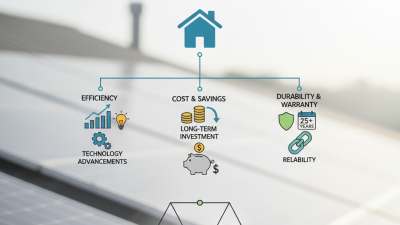
Taking the time to evaluate your options can pay off. Ask for references, check online reviews, and understand the warranty details. Reflecting on these factors will guide you in making an informed choice. After all, a good solar installation enhances your home’s efficiency and sustainability.
Understanding Your Energy Needs and Usage Patterns
Understanding your energy needs and usage patterns is crucial in selecting the best solar installation for your home. Begin by analyzing your monthly electricity bills. Look for trends in usage, especially during peak hours. This data helps identify how much energy you consume and when you use it most. Many households use more power in the evenings, which could impact your solar configuration.
Consider your lifestyle. If you’re often at home during the day, a solar system can significantly offset your energy costs. However, if you’re usually out, your savings may vary. Think about future changes too. Are you planning to expand your family or add electric vehicles? These elements affect energy demand. Regularly reevaluating your needs is essential, as they can change over time.
Energy efficiency upgrades are a smart move. Consider investing in LED lighting and energy-efficient appliances. These changes can lower your overall energy consumption, allowing you to choose a smaller solar system. A smaller installation may be more cost-effective and still meet your needs. Remember, it’s about finding the right balance for your situation. Stay informed and adapt when necessary.
Types of Solar Installation Systems: A Comprehensive Overview
When exploring solar installation systems, it's essential to understand the available options, as one size does not fit all. There are three main types: grid-tied, off-grid, and hybrid systems.
Grid-tied systems connect to the utility grid. They provide access to electricity when solar production is low. In the U.S., over 75% of solar installations are grid-tied, according to the Solar Energy Industries Association.
Off-grid systems operate independently. They rely solely on solar energy. This type is ideal for remote locations, but it often requires battery storage, which can be costly. A study by the National Renewable Energy Laboratory indicates that off-grid systems can reduce reliance on fossil fuels significantly but demand meticulous planning.
Hybrid systems combine both grid-tied and off-grid technologies. They offer flexibility and energy security. A well-rounded approach can optimize energy use and enhance sustainability.
When choosing a system, consider your energy needs, location, and budget.
Understand local regulations and solar incentives. This information is crucial for maximizing benefits. Analyze your energy consumption patterns; this is a common oversight.
Communicate with local solar experts for tailored advice. The right choice will depend on your unique situation and future energy goals.
Evaluating Your Location: Sunlight Exposure and Local Climate
When considering solar installation, evaluating your location is crucial. Sunlight exposure directly impacts energy production. According to the U.S. Department of Energy, solar panels can produce up to 20% more energy in sunny climates compared to regions with less sunlight. For instance, states like Arizona receive an average of 6.5 sun hours per day, while cloudy regions may average just 3 to 4 hours. This discrepancy significantly affects potential energy savings.
Local climate also plays a vital role. Areas with high humidity or frequent storms can impact panel efficiency. Data from the National Renewable Energy Laboratory shows that extreme weather can reduce solar panel output by 20% or more. Homeowners should investigate weather patterns and historical data. Understanding seasonal variations helps in planning for energy needs.
Consider your roof’s orientation and shading as well. A south-facing roof typically generates more energy, while overshadowing trees can limit output. Research indicates that even a small increase in shading can decrease production by 25%. It’s essential to conduct a thorough assessment before making installation decisions. Small oversights can lead to longer-term inefficiencies and higher costs.
Sunlight Exposure and Local Climate Analysis for Solar Installation
Assessing Financial Considerations: Costs, Incentives, and Financing Options
When exploring solar installation, financial considerations play a crucial role. Costs vary significantly based on system size, equipment type, and installation complexity. A small residential setup may start around a few thousand dollars. Larger systems, however, can climb into tens of thousands. It’s essential to accurately estimate these costs. Understanding your own energy needs helps in making informed decisions.
Incentives available can significantly offset installation costs. Tax credits and rebates are common in many areas. These incentives can reduce the initial financial burden. However, navigating these options can be complex. Research local policies and consult with professionals. Ensure that you are aware of any deadlines for incentive applications.
Financing options are another critical aspect to evaluate. Options like solar loans and leases can help spread the costs over time. Monthly payments may fit into your budget better than a lump sum. Yet, some financing plans may have hidden interest rates. Transparency is key in any agreement. Be sure to read all terms and conditions carefully. Understanding these financial aspects will help you make a more sustainable choice.
Researching and Comparing Solar Installation Providers and Reviews
When researching solar installation providers, start with online reviews. Look for companies with a solid reputation and positive feedback from previous customers. Pay attention to common themes in reviews, like quality of service and installation efficiency. Personal experiences share insights about reliability, which can influence your decision.
Comparing several options is crucial. Create a list of potential providers and check their credentials. Look for certifications and experience in the solar industry. Reach out for quotes and ask about warranties. A thorough investigation reveals which companies prioritize customer satisfaction. Note any inconsistencies in their responses, as they may signal potential issues.
Ultimately, balance quality with cost. The cheapest option may lack essential features or service. While reviewing, reflect on varied experiences of others. Consider both positive and negative feedback. Finding the best fit requires more than a quick search. Diving deeper leads to informed choices, ensuring your solar needs are met effectively.