Become a SmartFlower
Dealer or Installer.

2026 Top SmartFlower Solar Panel Suppliers and Prices?

The 2026 market for smartflower solar panel systems deserves careful attention, not quick price comparisons. These automated photovoltaic units open, track sunlight, and fold closed like engineered garden flowers. They also combine solar generation with distinctive design, monitoring software, and moving mechanical parts.

The International Energy Agency reported that global solar photovoltaic additions reached nearly 420 gigawatts in 2023. Its Renewables 2024 report expects solar to remain the dominant source of new renewable capacity through 2030. However, global growth does not make every solar product equally economical. SmartFlower systems commonly cost about $25,000 to $40,000 before site-specific installation, electrical work, permits, and regional incentives. Prices vary sharply. Dealer support matters.

SmartFlower founder James Gordon has described the product as “a solar flower that follows the sun.” That phrase captures its central difference from fixed rooftop modules. Yet tracking does not automatically guarantee the lowest lifetime cost. NREL’s residential photovoltaic cost benchmarks show that installation design, labor, financing, and system scale strongly influence solar economics. A smaller, premium tracking unit can therefore produce a different value proposition than a larger rooftop array.

This guide examines leading 2026 suppliers, published pricing, warranties, output claims, maintenance needs, and installation experience. Manufacturer figures require independent checking. Some estimates may age quickly. Regional electricity rates can change the result. Readers should request written quotes, production simulations, and service terms before purchasing. The comparison is useful, but not perfect. Real properties are rarely identical.
2026 Top SmartFlower Solar Panel Suppliers and Prices?

What Is a SmartFlower Solar Panel System?

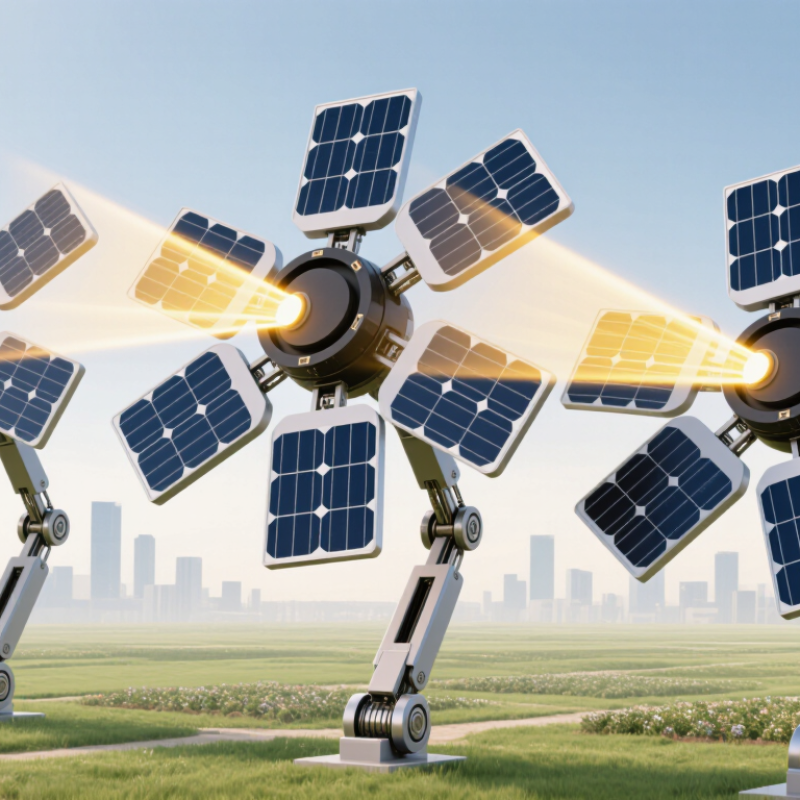
A SmartFlower solar panel system is a ground-mounted photovoltaic unit designed to follow the sun. Its petal-like panels open in the morning and fold after sunset. A dual-axis tracking mechanism adjusts the panel angle throughout the day. This helps the system capture more direct sunlight than a fixed rooftop array in suitable locations.

The system usually includes solar modules, a tracking drive, an inverter, safety controls, and monitoring software. Some installations add battery storage for evening use. Its moving parts require more attention than ordinary panels. Dust, wind, snow, and mechanical wear can affect performance. It is not magic. A shaded or poorly drained site can still produce disappointing results.

When comparing suppliers in 2026, request itemized prices for equipment, transport, foundation work, installation, permits, and maintenance. A low quotation may exclude essential electrical upgrades. Ask for documented efficiency data, weather ratings, warranty terms, and local service capability. Independent electrical inspection is valuable before commissioning. Exact prices vary by country, capacity, ground conditions, and battery options, so published figures should be treated as estimates. My practical concern is long-term servicing, because a sophisticated tracker may be harder to repair than a simple fixed array.
2026 SmartFlower Solar Panel System Prices

SmartFlower systems are ground-mounted, sun-tracking photovoltaic systems with a typical rated capacity of about 2.5 kW. The chart shows indicative installed price ranges in U.S. dollars for a residential-scale system, excluding taxes, incentives, financing, and unusual site work.

Actual quotations vary by location, foundation requirements, electrical upgrades, shipping, permitting, and installation labor. A typical 2.5 kW tracking system may produce approximately 3,400–6,200 kWh per year depending on solar resource, orientation, shading, and climate.

How SmartFlower Solar Technology Works

In 2026, smart flower-style solar systems attract buyers seeking higher energy production from limited ground space. Unlike fixed panels, their petal-shaped modules unfold in the morning and follow the sun across the sky. A dual-axis tracking system controls this movement through sensors, software, and small electric motors. The structure closes during strong winds or severe weather, helping protect the modules.

During installation checks, the clearest advantage is simple: each panel receives more direct sunlight for longer periods. The system monitors light direction and adjusts its angle throughout the day. Some designs also brush dust from the surface while opening and closing.

That feature sounds useful, but maintenance still matters. Moving parts can wear faster than fixed mounting hardware. Nothing mechanical is maintenance-free.

Supplier quotations usually include the solar modules, tracking frame, inverter, transport, installation, and monitoring equipment. Prices vary with output capacity, local labor, ground conditions, and warranty length. Buyers should request a detailed cost breakdown instead of comparing one headline figure. Ask how the motors perform after years of outdoor exposure. Ask for measured energy data from similar climates. A shaded site may reduce the expected benefit sharply. The technology is impressive, though not automatically suitable for every property. Wind exposure, drainage, service access, and local electrical requirements deserve careful review before purchase.

Key Features of SmartFlower Solar Panels in 2026

Smart solar systems in 2026 combine photovoltaic modules, dual-axis tracking, sensors, and digital controls. Their frame follows the sun from morning to afternoon. This can improve daily energy capture compared with fixed panels, especially on limited rooftops. IEA PVPS reported global solar capacity above 1.6 terawatts by the end of 2023, showing how quickly advanced designs are entering mainstream planning.

Tracking is the defining feature. Light sensors and astronomical data adjust the array throughout the day. Many systems also include automatic wind-stow protection, remote monitoring, and integrated inverters. Some support battery storage and electric-vehicle charging. NREL’s 2024 Annual Technology Baseline shows that balance-of-system costs remain a major part of solar investment, not just module prices. Installation access, foundations, wiring, and software support can change the final quotation significantly.

Compact engineering matters. A foldable structure may reduce visual clutter and simplify cleaning access. It does not remove maintenance. Motors, gear systems, and sensors can fail earlier than fixed mounting hardware. That is an uncomfortable point. Buyers should request noise ratings, wind-load certification, warranty terms, and annual service costs. SolarPower Europe’s market outlook also highlights continuing pressure on system prices, but local labor and permitting can still dominate smaller projects. Performance claims should be checked against measured output, shading conditions, and a full-year production estimate.

2026 Top SmartFlower Solar Panel Suppliers and Prices? - Key Features of SmartFlower Solar Panels in 2026
Category Supplier or System Type Key Specification or Price Typical 2026 Market Data Important Considerations
Supplier Tier Authorized turnkey solar-tracking installer Supply, site assessment, installation, commissioning and after-sales service Approximately US$25,000–US$35,000 installed Usually provides the most complete warranty and local permitting support. Final pricing varies by foundation work, electrical upgrades and shipping distance.
Supplier Tier Regional renewable-energy distributor Equipment package supplied through an approved installation network Approximately US$18,000–US$28,000 before installation Installation, transport, taxes, permits and grid-connection costs may be quoted separately.
Supplier Tier Commercial solar integrator Multiple tracking units, monitoring, electrical design and project management Approximately US$20,000–US$32,000 per unit before volume adjustments Suitable for hospitality, retail, education and demonstration sites. Volume pricing may reduce the equipment cost per unit.
Supplier Tier Direct-import or self-managed procurement Equipment-only purchase with limited local support Approximately US$15,000–US$25,000 before freight and installation The buyer may need to arrange engineering approval, customs clearance, lifting equipment, electrical work and warranty coordination.
Rated Output Single residential-scale solar flower system Nominal photovoltaic capacity Approximately 2.0–2.5 kW DC The exact rating depends on the module configuration and the model generation. Actual annual output is affected by location, shading, weather and system availability.
Solar Modules Integrated bifacial or monofacial module array Typically 12 folding photovoltaic panels Approximately 15–20 m² of active panel area when deployed Bifacial modules can produce additional energy from reflected light when installed above bright or reflective ground surfaces.
Tracking Dual-axis solar tracking Automatic azimuth and elevation adjustment Up to approximately 180° horizontal movement and about 60° vertical movement, depending on design Tracking helps maintain a favorable angle to the sun throughout the day, but motors and control systems add maintenance requirements.
Expected Yield Grid-connected system in a suitable location Annual energy generation estimate Approximately 3,000–6,000 kWh per year High-solar-resource regions generally achieve the upper end of the range; cloudy, shaded or high-latitude sites may produce substantially less.
Inverter Integrated grid-tied power conversion Converts DC electricity from the modules into AC electricity Commonly approximately 2–3 kW AC for a single unit Confirm voltage, phase configuration, grid-code compliance and rapid-shutdown requirements with the local installer or utility.
Deployment Ground-mounted freestanding structure Self-contained unit with a compact footprint when closed Typically requires approximately 20–30 m² of clear site area, including service access The installation surface must support the structure and withstand local wind conditions. Soil, concrete and underground utility surveys may be required.
Weather Protection Automatic protective closing function System can fold or park during high winds, severe weather or selected fault conditions Wind-protection thresholds are model-specific and commonly configured around local engineering requirements Automatic stow protection does not remove the need for correct anchoring, periodic inspection and compliance with local structural codes.
Cleaning Automated or assisted panel-cleaning design Folding motion can reduce dust accumulation; some systems include integrated cleaning features Manual inspection and occasional cleaning are still recommended Cleaning frequency depends on rainfall, pollen, dust, bird activity and the tilt position. Dirty modules reduce energy production.
Monitoring Remote performance monitoring Production, fault and operational-status data through a web portal or mobile interface Commonly included with connected systems; cellular or Wi-Fi connectivity may be required Check whether communications service, software access and data storage are included for the full warranty period.
Battery Option Solar-plus-storage configuration External battery added for backup power or load shifting Typically adds US$6,000–US$18,000 installed for approximately 5–15 kWh Battery pricing depends on usable capacity, inverter compatibility, backup-load requirements, installation complexity and local incentives.
Warranty Module, inverter, structure and tracking components Separate warranty terms for different subsystems Modules commonly carry 10–15 years of product coverage and up to 25–30 years of performance coverage; other components are often covered for 2–10 years Read the exclusions carefully, especially for motors, batteries, communications hardware, labor, travel and extreme-weather damage.
Annual Maintenance Tracking-system inspection and service Inspection of motors, hinges, fasteners, wiring, drainage and software Approximately US$250–US$750 per year per unit Costs are higher where access is difficult or where preventive service includes cleaning, replacement parts and on-site travel.
Payback Factors Residential or small-commercial deployment Value depends on electricity tariffs, export compensation, incentives and self-consumption Typical simple payback can range from approximately 8–15 years A detailed financial model should use local solar irradiation, utility rates, degradation, maintenance, financing and applicable tax credits or rebates.

Leading SmartFlower Solar Panel Suppliers in 2026

Leading SmartFlower Solar Panel Suppliers in 2026

The leading SmartFlower solar panel suppliers in 2026 are specialist distributors, commercial solar installers, and certified electrical contractors. They typically provide automated tracking systems, site surveys, delivery, installation, and maintenance plans. Experienced buyers should request proof of installer certification and recent project references. A supplier with clear technical documents is usually safer than one offering only a low price.

Residential system prices commonly range from 25,000 to 45,000 US dollars before local incentives. Larger commercial installations may exceed 60,000 dollars. These figures can change with shipping, foundation work, electrical upgrades, and regional labor costs. Ask for an itemized quotation. It should separate equipment, permits, installation, monitoring, and service visits.

Look closely at warranty coverage and response times. Some suppliers promise quick repairs, but their local technician network may be limited. That matters during tracking faults or severe weather. I would also compare annual output estimates using local sunlight data, not a generic calculator. Real sites lose production from dust, shading, snow, or imperfect orientation. Small details matter.

A practical supplier should explain battery compatibility, grid connection requirements, and shutdown procedures in plain language. It should also inspect drainage and ground stability before installation. Online pricing is useful for early planning, but it is not a final offer. Quotes may exclude difficult groundwork. That is an easy detail to miss.

SmartFlower Solar Panel Prices and Buying Considerations

In 2026, smart solar flower systems may cost about $25,000 to $45,000 installed. Prices depend on tracking hardware, battery storage, delivery distance, and site preparation. Residential suppliers usually offer regional installation teams, while commercial suppliers often handle larger engineering projects. Ask for a written quote with equipment, labor, permits, commissioning, and future service listed separately.

A practical buying decision starts with a site inspection. The installer should measure sunlight, soil conditions, wind exposure, and available grid capacity. Request at least three quotations from established suppliers with verifiable projects and trained technicians. Check the product warranty, inverter replacement terms, monitoring software, and maintenance response time. A lower purchase price may become expensive if repairs require long-distance travel. I would not assume every advertised energy estimate fits your property. Shade, dust, snow, and seasonal weather can reduce output.

Tips: Compare total ownership cost, not only the equipment price. Ask whether batteries are included. Confirm delivery dates in writing. Review local incentives independently. Keep copies of technical drawings and warranty documents. A five-year maintenance forecast can reveal hidden costs. Pay attention to noise, drainage, and clearance around moving panels. These details seem minor, but they affect daily use. My own cautious view is simple: attractive design matters, yet reliable service matters more.