Top 10 Garage Awning Options for Global Buyers in 2026?
As the demand for functional and stylish outdoor solutions grows, the "Garage Awning" industry is set for a significant transformation in 2026. Experts like David Thompson, a renowned architect specializing in outdoor designs, emphasize the importance of choosing the right awning for both aesthetic and practical purposes. He states, "A well-designed garage awning not only protects but also enhances the overall curb appeal of your home."
In the world of garage awnings, options abound. From retractable styles to fixed installations, each design serves unique needs. Buyers face challenges when navigating these choices. Factors such as weather resistance, material durability, and installation ease play crucial roles. Many may overlook the significance of these elements, especially when prioritizing appearance over quality.
Choosing among the top 10 garage awning options requires careful consideration. It's essential to reflect on various factors beyond mere looks. Make informed decisions to enhance enjoyment and usability. For global buyers, understanding market trends and expert insights can lead to a wiser investment. In a rapidly evolving industry, staying informed is key to making the right choice.
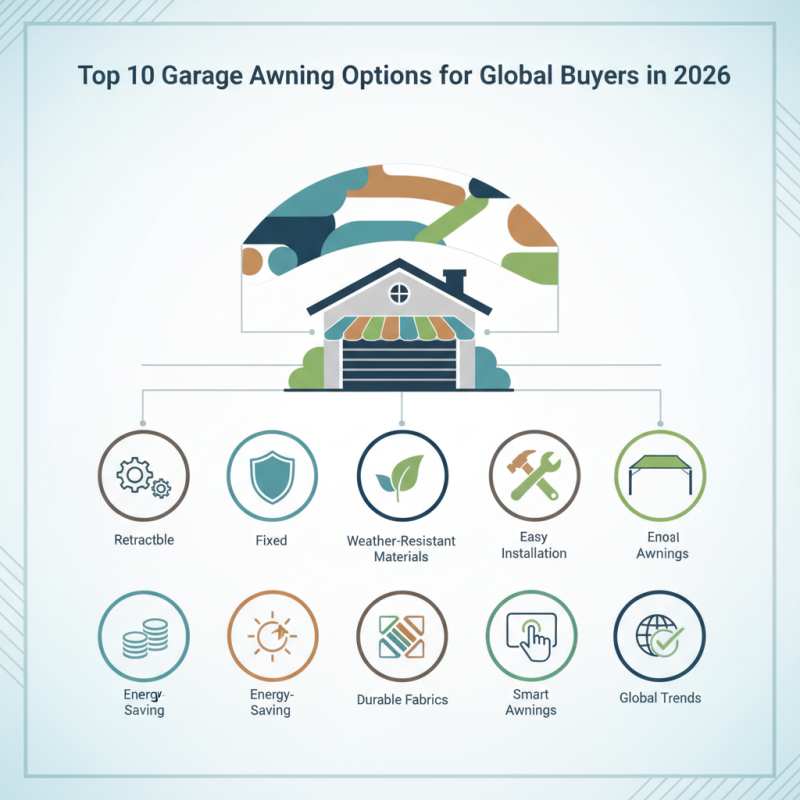
Top Considerations for Selecting Garage Awnings in 2026
When choosing garage awnings in 2026, several key factors come into play. First, consider the material. Durable fabrics like polyester and acrylic are popular, as they resist fading and weather damage. These materials provide protection from UV rays and rain. Long-lasting options might come at a higher price, but they save money in the long run.
Next, think about the design. Awnings come in various styles, including retractable and fixed options. Retractable awnings offer versatility, allowing you to adjust coverage based on weather conditions. This feature appeals to many buyers. However, it’s essential to ensure the motor mechanisms are reliable. A malfunction could leave your garage exposed.
Size is another crucial aspect. Measure your garage entrance carefully. An awning that’s too small won’t provide adequate coverage, while one that’s too large can overwhelm your space. Installation is also worth pondering. While some may opt for DIY, professional assistance ensures a proper fit. Many buyers overlook this, leading to issues later on. Overall, careful planning and consideration of these details will enhance the selection process.
Material Trends: Evaluating Durability and Aesthetic Appeal
When selecting materials for garage awnings, durability and aesthetic appeal are key considerations. Many buyers are leaning towards polycarbonate and fiberglass due to their resilience and modern look. A recent market analysis found that polycarbonate structures can withstand harsh weather better than traditional materials, lasting up to 10 years longer. In contrast, vinyl awnings often show wear within five years, leading to concerns about their longevity.
While aesthetic appeal varies, trends are leaning towards sleek, minimalist designs. The combination of metal frames with clear or tinted panels allows natural light to enter while providing shelter. However, some buyers might overlook the maintenance challenges that come with certain materials. For instance, untreated wood can enhance visual warmth but is prone to rot and requires regular upkeep. Professionals in the field advise choosing materials that align with climate conditions and personal style.
As consumers become more eco-conscious, recycled materials are gaining popularity. However, the performance of these options often varies. Testing shows that many recycled composites are not as durable as new, virgin materials. This gap highlights the need for further research into sustainable yet robust solutions. Evaluating both durability and aesthetic value remains essential for pragmatic decision-making.
Top 10 Garage Awning Options for Global Buyers in 2026
This chart illustrates the durability and aesthetic appeal scores of various garage awning materials projected for 2026. Each material is assessed on a scale from 1 to 10, with higher scores indicating better performance or attractiveness.
Climate Suitability: Choosing the Right Awning for Your Environment
When considering garage awnings, climate suitability is crucial. Different environments demand different materials and designs. For example, in harsh sun areas, UV-resistant fabrics are key. This helps to protect vehicles and extend the awning’s lifespan. In contrast, regions with heavy rainfall need robust water-repellent materials. An awning that traps water can lead to mold and mildew, creating a less-than-ideal space.
The type of support structure also matters. Some climates experience strong winds. In these cases, a wind-resistant frame is necessary to avoid damage. Local weather patterns should guide your choice. Researching seasonal changes can be daunting but important. Knowing whether your area faces high humidity or extreme cold makes a difference.
Geographic considerations often influence style preferences, too. For urban settings, sleek designs may blend better with architecture. In rural areas, a more rugged appearance might suit the surroundings. However, personal taste and practicality should also play roles in your selection. Finding the right balance isn’t always easy, and the options can feel overwhelming. Exploring local resources for insights can simplify the decision-making process.
Market Leaders: Analyzing Key Brands in the Garage Awning Industry
The garage awning industry is evolving rapidly. According to a recent market analysis, the sector is projected to grow significantly, with an annual growth rate of 5% over the next five years. This growth presents a unique opportunity for buyers worldwide. Key brands are investing heavily in innovative materials and designs. These advancements aim for greater durability and efficiency.
Market leaders are focusing on sustainability. Eco-friendly options are becoming a priority. Reports indicate that around 30% of consumers prefer products that minimize environmental impact. Buyers are increasingly educated about the lifecycle of materials used in garage awnings. The trend reflects a broader shift towards responsible purchasing.
However, challenges remain. Not all brands meet the sustainability claims they promote. Consumers must conduct thorough research before making a purchase. They should verify certifications and standards. Detailed product reviews can provide valuable insights. In a crowded marketplace, distinguishing genuine products is essential. Awareness is growing, but education is still needed in navigating these options.
Top 10 Garage Awning Options for Global Buyers in 2026
| Rank | Awning Type | Material | Size (ft) | Price ($) | Durability (Years) |
| 1 | Retractable Awning | Polyester | 10 x 8 | 300 | 10 |
| 2 | Fixed Awning | Canvas | 12 x 10 | 450 | 15 |
| 3 | Motorized Retractable | Acrylic | 14 x 12 | 600 | 12 |
| 4 | Side Awning | Polyester | 5 x 6 | 150 | 7 |
| 5 | Patio Awning | Vinyl | 16 x 10 | 500 | 20 |
| 6 | Window Awning | Aluminum | 3 x 6 | 200 | 8 |
| 7 | Freestanding Awning | Canvas | 10 x 10 | 400 | 10 |
| 8 | Adjustable Awning | Acrylic | 9 x 7 | 250 | 9 |
| 9 | Motorized Side Awning | Vinyl | 5 x 8 | 320 | 11 |
| 10 | Sun Shade Awning | Polyester | 6 x 5 | 180 | 6 |
Cost-Effectiveness: Understanding Pricing Dynamics and Value Propositions
When considering garage awnings, cost-effectiveness is paramount. Many buyers look for affordable options without compromising quality. Key factors include durability and materials. A product’s lifespan directly impacts its value. Cheaper awnings might seem appealing but often require replacements sooner than expected.
Understanding pricing dynamics is crucial. Prices can vary widely based on design and functionality. Some designs are more expensive due to additional features. Others may focus on aesthetics over practicality, which can lead to buyer regret. Assessing your specific needs helps in making an informed decision.
Buyers should also think about installation costs. Sometimes, a lower-priced awning becomes costly with high installation fees. Investing time in evaluating long-term benefits can yield better returns. Reflecting on these elements ensures a wise purchase, aligning with both budget and utility.
