Top 10 Types of Solar Electricity for Global Buyers
Solar electricity is no longer a niche technology reserved for sunny deserts or wealthy nations. It now supports homes, factories, farms, schools, and remote communities across very different markets. Yet global buyers face a crowded selection of technologies, suppliers, warranties, and installation models. The right option depends on more than panel efficiency. Roof space, sunlight levels, grid reliability, battery needs, local skills, and long-term maintenance all affect value.
Fatih Birol, Executive Director of the International Energy Agency, described solar power clearly: “Solar is the new king of electricity markets.” His observation reflects a major shift in energy investment. However, buyers should examine this claim carefully. A low module price may hide transport costs, weak after-sales service, or difficult replacement procedures. Details matter. A rooftop system in cloudy northern Europe will not perform like one in coastal Kenya, even when both use similar panels.
This guide explores the top 10 types of solar electricity for global buyers. It compares practical applications, strengths, limitations, and purchasing considerations. The list includes grid-connected systems, off-grid installations, floating solar, concentrated solar power, and emerging building-integrated designs. Each type serves a different purpose. Some reduce daytime bills. Others protect essential operations during outages. A few remain expensive or highly location-dependent. That is worth admitting.
Buyers should also question optimistic forecasts and request verified performance data. Independent certifications, transparent warranties, installer experience, and realistic energy estimates can prevent costly mistakes. Solar technology keeps improving, but no system is perfect. The most reliable choice is usually the one that matches local conditions, operational needs, and maintenance capacity.
Global Solar Baseline: Solar Capacity Reached 1,865 GW by 2024
Top 10 Types of Solar Electricity for Global Buyers
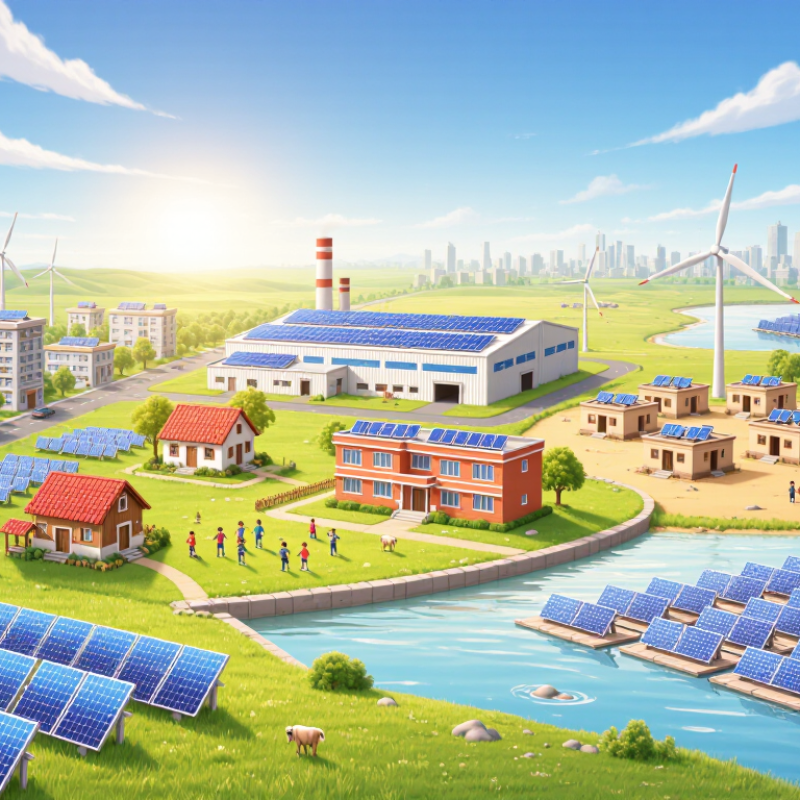
Global solar capacity reached 1,865 GW by 2024, marking a major shift in electricity supply. This figure reflects cumulative installed capacity, not annual generation. It includes rooftop photovoltaic systems, utility-scale solar farms, floating solar, agrivoltaic projects, building-integrated photovoltaics, community solar, off-grid systems, solar-plus-storage projects, and concentrating solar power. Solar thermal electricity also serves regions with strong direct sunlight.
For buyers, each type solves a different operating problem. Rooftop systems use unused space and can reduce daytime grid purchases. Ground-mounted projects deliver large volumes but require land, permits, and transmission access. Floating arrays can limit water evaporation, although anchoring and maintenance become more complex. Agrivoltaics may protect crops from severe heat, yet farming results can vary by location. Battery storage improves reliability, but it adds replacement costs and safety requirements.
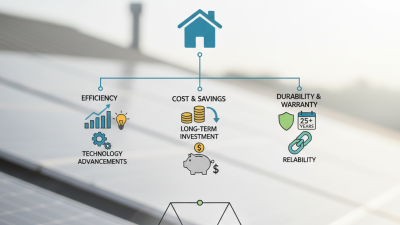
Technical due diligence should examine irradiation data, degradation rates, warranties, grid rules, and local maintenance skills. A low equipment price may hide expensive civil works or weak after-sales support. Project assumptions are often too optimistic. Seasonal clouds, dust, currency changes, and delayed connections can reshape returns. Buyers should compare lifetime energy output rather than headline capacity alone. The 1,865 GW milestone is impressive, but global access remains uneven, and some projects still struggle to provide dependable electricity after sunset.
Utility-Scale and Rooftop PV: The Two Largest Deployment Models
Utility-scale and rooftop photovoltaic systems now define the global solar electricity market. According to IRENA’s Renewable Capacity Statistics 2024, global solar capacity reached about 1,419 GW by the end of 2023. Solar added approximately 345 GW that year. Much of this growth came from large projects connected directly to transmission networks.
Utility-scale PV uses broad, open land and centralized inverters. A single project can supply electricity to cities, factories, or regional grids. The model benefits from economies of scale, standardized construction, and professional maintenance. However, long permitting periods and grid congestion can delay delivery. A cheap panel does not solve a weak connection.
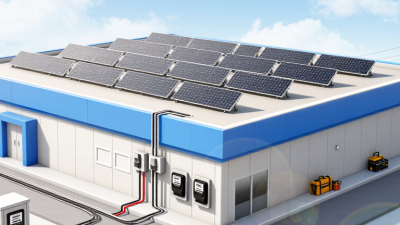
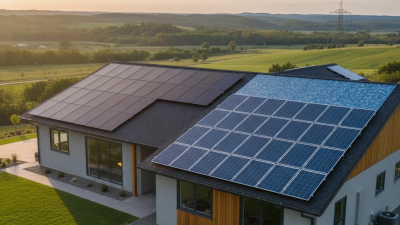
Rooftop PV follows a different logic. Panels sit above homes, warehouses, farms, and commercial buildings. Electricity is generated close to the point of use, reducing some distribution losses. The IEA PVPS Trends 2024 report recorded more than 440 GW of new photovoltaic capacity worldwide in 2023, with distributed systems contributing strongly in several mature markets. Rooftop projects can be installed in weeks, but roof strength, shading, fire rules, and customer financing require careful checks. Results vary. My practical concern is often overlooked: a technically attractive roof may still produce modest output after dust, heat, and seasonal shadows are considered.
Top 10 Types of Solar Electricity for Global Buyers
Utility-Scale and Rooftop PV: The Two Largest Deployment Models
The chart shows the ten largest national solar PV markets by cumulative installed capacity at the end of 2023. National totals include both utility-scale installations and distributed systems such as residential, commercial, and industrial rooftop PV. Utility-scale projects generally support bulk power generation, while rooftop PV is commonly used for on-site electricity consumption and distributed generation.
Source: IRENA, Renewable Capacity Statistics 2024. Values are shown in gigawatts (GW).
Floating, Agrivoltaic, and Building-Integrated PV: Uses Beyond Land
Solar electricity now reaches beyond traditional ground-mounted fields. Floating photovoltaic systems use reservoirs, quarry lakes, and irrigation ponds. Their panels can reduce water evaporation and may operate more efficiently on cooler surfaces. However, anchoring, waves, water quality, and maintenance access require careful engineering. A site that looks ideal may still create difficult permitting or ecological questions.
Agrivoltaic systems share farmland with solar panels. Crops grow beneath raised structures, while partial shade can protect plants during intense heat. Farmers may also use the space for grazing or equipment storage. Results vary by crop, climate, panel height, and irrigation method. Field trials matter more than attractive claims. Some designs reduce yields, especially where sunlight-sensitive crops receive too much shade.
Building-integrated photovoltaics replace parts of roofs, façades, skylights, or balcony barriers.
They can produce electricity without requiring extra land. Their appearance may suit dense cities, but repairs can be complex. Buyers should verify fire performance, structural loading, drainage, cable routes, and long-term access. Specifications are not always easy to compare.
Tips: Request measured performance data from similar climates. Check seasonal output, not only annual estimates. Ask who maintains anchors, inverters, seals, and monitoring equipment. Include weather risks and replacement costs in the financial model. Begin with a pilot area when local evidence remains limited.
Concentrated Solar Power and Hybrid Plants: Storage-Ready Generation Options
Concentrated Solar Power and Hybrid Plants: Storage-Ready Generation Options
Concentrated Solar Power (CSP) uses mirrors to heat a working fluid, often molten salt. The stored heat can produce electricity after sunset. This differs from photovoltaic systems, which generally need batteries for evening supply. According to IRENA’s Renewable Capacity Statistics 2024, global CSP capacity remained close to 7 GW at the end of 2023. The market is still small. Its dispatchable value, however, can be significant.
Hybrid plants combine CSP, photovoltaics, thermal storage, and sometimes wind generation. During sunny hours, photovoltaic modules supply low-cost electricity, while CSP charges its thermal storage tanks. After dusk, the stored heat can drive a turbine for several hours. The International Energy Agency identifies dispatchable renewable generation as important for integrating higher shares of variable renewables. This design can also reduce dependence on short-duration battery systems.
Storage duration matters more than impressive peak output. NREL’s 2024 technology assessments commonly model CSP systems with roughly 6 to 12 hours of thermal storage. That range suits evening demand, but not every climate or grid. Dry cooling can reduce water use, though it may lower efficiency during extreme heat. Costs remain challenging, and construction periods can be long. Buyers should examine solar resource quality, transmission access, storage guarantees, and turbine cycling data. A glossy yield estimate is not enough. Some projects may still overpromise.
Off-Grid, Community, and Solar-Diesel Systems: Access in Underserved Markets
Off-grid solar systems can bring dependable electricity to homes, clinics, and small workshops beyond national grids. A practical design starts with measured demand, not optimistic estimates. Record evening lighting, refrigeration, water pumping, and seasonal equipment use. A 3-kilowatt array may support a rural clinic, but battery capacity must cover cloudy nights. Storage matters.
Community solar microgrids serve several buildings through shared generation and batteries. They can power streetlights, phone charging, cold storage, and irrigation pumps. Clear metering prevents disputes when households consume different amounts. Local operators should receive training in battery inspection, cable protection, and basic fault testing. Small details matter. Buyers should request performance data from similar climates, not only laboratory figures.
Solar-diesel systems offer another pathway for underserved markets with heavy or irregular loads. Solar supplies daytime demand, while a generator supports extended rain or urgent medical use. Smart controls can reduce fuel consumption, but maintenance remains essential. Keep spare filters, fuel records, and protected enclosures on site. In my experience, designs often underestimate transport delays and dust. That weakness deserves attention. A modest reserve battery may cost more initially, yet it can prevent spoiled vaccines, interrupted communications, and lost workshop hours. Procurement teams should verify safety certifications, installation standards, remote monitoring limits, and the availability of trained technicians before approving equipment.