Top 5 Tips for Choosing China Solar System 800V MCCB?
In the rapidly evolving world of renewable energy, selecting the right components is crucial. Dr. Zhang Wei, a leading expert in solar energy systems, emphasizes the importance of quality in his field. He states, "Choosing the right MCCB is vital for the efficiency of a China Solar System 800v Mccb."
When it comes to solar systems, the MCCB's role cannot be overstated. These devices protect against overloads and short circuits, ensuring system safety. For anyone involved in solar installations, understanding MCCBs is essential. A well-chosen MCCB directly impacts performance and longevity. Yet, many face challenges in this selection process.
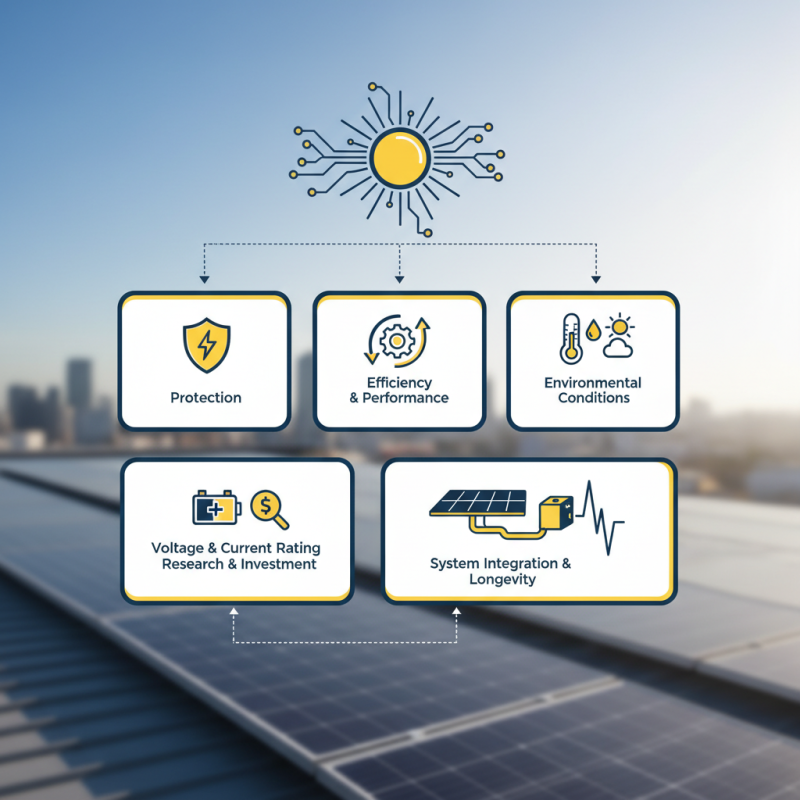
Not all products are created equal. Factors like voltage rating, current capacity, and environmental conditions matter. It's not just about finding a cheap option. Investing time in research can lead to better reliability. Ultimately, a China Solar System 800V MCCB is a key piece in achieving optimal solar energy efficiency.
Understanding the Basics of 800V MCCB in Solar Applications
Understanding the basics of an 800V MCCB in solar applications is crucial for ensuring system reliability and safety. Medium-voltage circuit breakers (MCCBs) rated at 800V are increasingly popular in solar power systems. They provide essential protection against overloads and short circuits, reflecting their importance in renewable energy infrastructures. A recent report from the International Energy Agency highlights that the global solar capacity exceeded 900 GW, showcasing the growing reliance on robust electrical components like MCCBs.
When selecting an 800V MCCB, consider the key parameters. First, look at the breaking capacity, which ensures the breaker can handle potential faults without failure. Data shows that an optimal MCCB can clear faults within milliseconds, minimizing damage to the solar system. Moreover, thermal withstand ratings are vital. Poor thermal management can lead to overheating and subsequently, system failure. Ensuring proper specifications based on the operational environment can enhance longevity.
Additionally, installation and maintenance are not to be overlooked. Even the best MCCB can fail without proper installation. Regular inspections are necessary to identify wear or degradation over time. Some installations fail due to neglecting these practices. Keeping up with maintenance schedules can significantly prevent downtime and ensure the efficiency of the solar system. This approach echoes the broader industry insight that proactive maintenance can reduce operational costs by up to 30%.
Key Technical Specifications to Consider for Solar System MCCB
When selecting an 800V MCCB for solar systems, understanding key technical specifications is vital. One must consider the breaking capacity, which defines how much fault current the device can interrupt. Reports indicate that systems should have a breaking capacity of at least 75 kA to ensure safety. A higher breaking capacity allows for better protection against unexpected surges.
Furthermore, the thermal and magnetic trip settings must align with the solar system's operational parameters. According to industry guidelines, these settings should be adjustable to cater to different loads efficiently. This flexibility enhances the system’s reliability, allowing it to respond effectively to fluctuations in solar output.
Lastly, the environmental rating of the MCCB is crucial. Many solar installations face harsh weather conditions. Choosing an MCCB with a minimum IP rating of 54 can protect against dust and water ingress. However, occasional mismatches in selecting the right IP rating can lead to operational failures over time. Careful consideration of zone-specific environmental conditions is essential for sustainable energy solutions.
Top 5 Tips for Choosing China Solar System 800V MCCB
| Specification | Details |
| Voltage Rating | 800V DC |
| Current Rating | Up to 2500A |
| Breaking Capacity | 63kA, 100kA options |
| Protection Type | Overcurrent, Short Circuit |
| Temperature Rating | -40°C to +85°C |
Evaluating Manufacturer Reputation and Product Warranty
When selecting an 800V MCCB for solar systems in China, evaluating the manufacturer's reputation is critical. A reliable manufacturer often has years of experience and a proven track record. According to recent industry reports, nearly 70% of solar system failures are linked to subpar electrical components. Choosing a manufacturer with positive reviews can significantly reduce risks.
Product warranties are essential in this process. A robust warranty reflects a manufacturer's confidence in their product. Many reputable companies offer warranties ranging from five to ten years. Customers should seek out warranties that cover both parts and labor. This can provide peace of mind and financial protection against unexpected failures.
Tip: Always review customer feedback on various platforms. Look beyond the manufacturer's claims. A company's online reputation often reveals valuable insights.
Tip: Check if the product has passed relevant safety certifications. These certifications often signify adherence to industry standards.
Understanding these factors not only aids in making informed decisions but also ensures long-term reliability of your solar systems.
Top 5 Tips for Choosing China Solar System 800V MCCB
Assessing Safety Features and Compliance Standards
When selecting an 800V MCCB for solar systems in China, safety features are crucial. Ensure the MCCB meets national and international standards. Look for certifications that indicate compliance with safety regulations. These certifications reflect the device's ability to withstand electrical surges, protecting your equipment.
Inspection of design features is also vital. Check for IP ratings that indicate dust and water resistance. A high rating ensures longevity in various environments. Furthermore, consider the thermal performance. MCCBs with good heat dissipation prevent overheating and ensure safe operation.
While evaluating safety, it's easy to overlook the details. Pay attention to user feedback on specific models. Look for reviews regarding real-world performance in similar installations. This can highlight potential issues not covered by certification. Your choice reflects not only on the device but also on the overall safety of your solar system installation.
Cost-Benefit Analysis: Price versus Performance of MCCB Options
When selecting an 800V MCCB for solar systems in China, cost-effectiveness remains crucial. A recent industry report highlights that the average cost of MCCBs ranges from $50 to $150 per unit. However, the performance can vastly differ with price. Higher-rated MCCBs may initially cost more, but they offer enhanced reliability, essential for solar applications.
Consider, for example, that a quality MCCB can handle short circuits and overloads efficiently. This not only protects the system but also extends its lifespan. The potential savings in repair and replacement can be significant. A study from the Energy Research Institute showed that using a better-performing MCCB could reduce maintenance costs by up to 30% over five years.
Despite the enticing benefits, some may opt for lower-priced options. These units could lead to increased failures, ultimately costing more in the long run. It's a trade-off between upfront investment and long-term performance. The challenge lies in balancing initial cost with durability and reliability in the harsh conditions often faced by solar systems.
