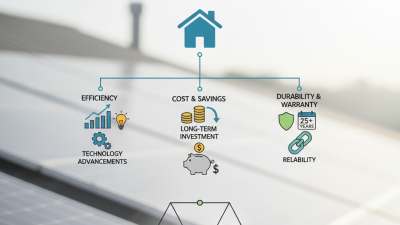
What is Solar Power Panels and How Do They Work?
Solar power panels are transforming the way we harness energy from the sun. According to Dr. Emily Hartman, a leading expert in renewable energy, “Solar power panels are a crucial technology for sustainable development.” Her words emphasize the importance of these panels in our current energy landscape.
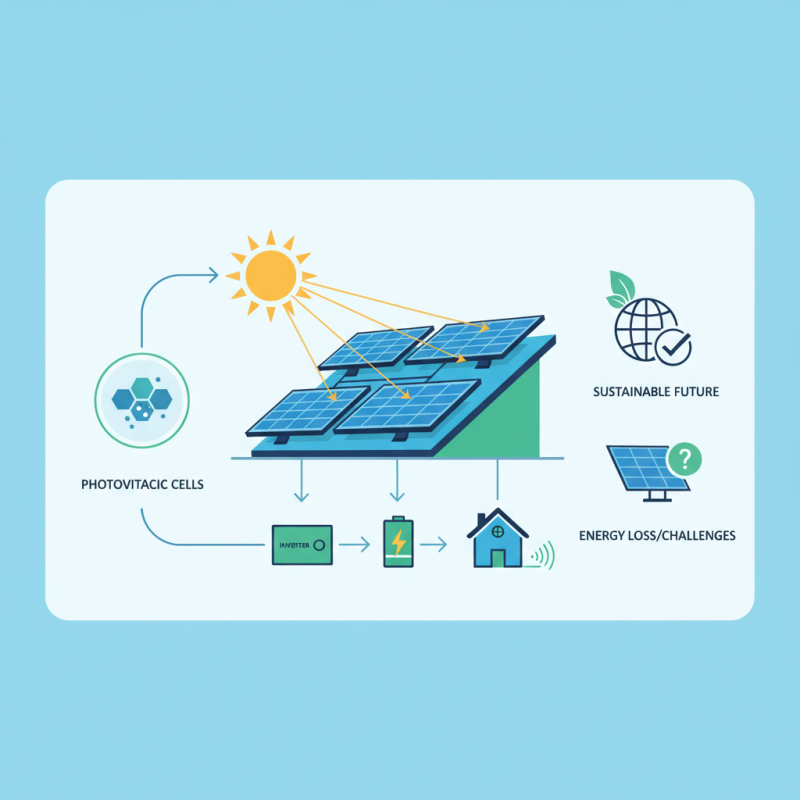
These panels convert sunlight into electricity through photovoltaic cells. This process begins when sunlight hits the solar cells, exciting electrons and generating direct current electricity. The efficiency of this transformation depends on several factors, including the panel's materials and positioning. However, the technology is not flawless. Energy loss may occur due to shading or improper installation, highlighting areas for improvement.
As we adopt solar energy, it's essential to consider the advancements in solar power panels. They promise a cleaner, more sustainable future, yet challenges remain. Embracing innovation while acknowledging these imperfections is key to optimizing solar technology.
What Are Solar Power Panels?
Solar power panels, also known as photovoltaic (PV) panels, are devices that convert sunlight into electricity. They are composed of silicon cells, which generate an electric current when exposed to light. This process is called the photovoltaic effect. According to the International Energy Agency (IEA), solar power generation reached over 900 terawatt-hours globally in 2020, showcasing the technology's growing significance. As countries seek cleaner energy sources, understanding solar panels is vital.
Solar panels play a critical role in sustainable energy solutions. They can reduce electricity bills and provide reliable power in remote areas. The efficiency of solar panels has been steadily improving, with the average efficiency rate hovering around 15-20%. Recent advancements show that some premium panels can reach efficiencies above 22%. However, the initial investment can be substantial, leading many to question their overall value. Long-term studies, such as those by the National Renewable Energy Laboratory (NREL), indicate payback periods of 5 to 15 years, depending on various factors.
While the benefits are clear, challenges remain. Not all regions receive the same amount of sunlight, impacting energy generation. Moreover, solar panel manufacturing can have environmental implications. It is essential to weigh benefits against such factors. Transitioning to solar power is a complex journey that requires careful consideration of local conditions and technology advancements.
This chart illustrates the installed solar power capacity across various sectors, including residential, commercial, industrial, and utility-scale. The data highlights the significant growth in utility-scale solar installations, demonstrating the shift toward renewable energy sources in recent years.
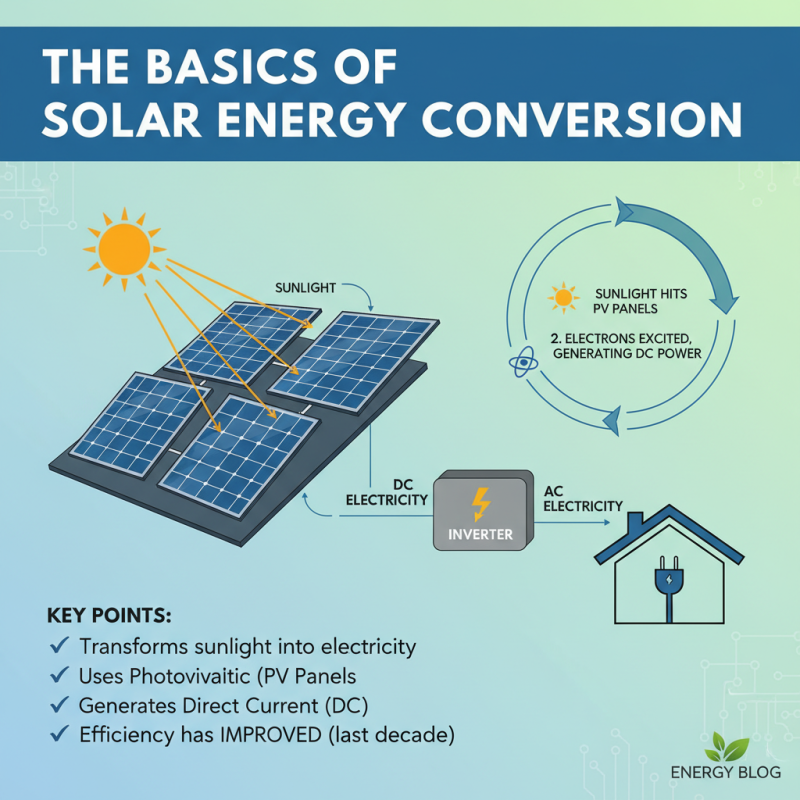
The Basics of Solar Energy Conversion
Solar energy conversion is a vital process that transforms sunlight into usable electricity. Solar power panels, also known as photovoltaic (PV) panels, play a key role in this transformation. When sunlight hits the solar cells within the panels, it excites electrons, generating direct current (DC) electricity. This process highlights the efficiency of solar energy technology, which has improved significantly over the past decade.
According to the International Energy Agency, the global average efficiency of commercial solar panels is now around 20%. This growth is partly due to advances in materials and technology. High-efficiency panels can convert around 24% of sunlight into electricity. However, factors like shading, dirt, and snow can adversely affect performance. Hence, regular maintenance and strategic placement of solar panels are crucial for optimal output.
Data from the U.S. Department of Energy indicates that the installation of solar energy has increased by over 20% annually since 2010. This surge signifies a growing interest in renewable energy. Nevertheless, the volatility of solar energy generation can present challenges. Nighttime and cloudy days reduce energy output. Thus, energy storage solutions remain an important area for further research and development.
How Solar Panels Generate Electricity
Solar panels are devices that convert sunlight into electricity. They are commonly made of silicon-based materials that absorb sunlight. When sunlight hits the panels, it excites electrons in the silicon. This process generates direct current (DC) electricity.
Inverters play a crucial role in solar energy systems. They convert DC electricity into alternating current (AC) electricity, which is used in homes and businesses. Many systems are designed to optimize energy production. However, not all panels perform equally well in different weather conditions.
Temperature and shading can affect efficiency. It's worth noting that the installation angle and location impact energy generation. Regular maintenance is necessary to ensure peak performance. Sometimes, unexpected repairs can be costly. Therefore, monitoring energy output is essential for long-term savings.
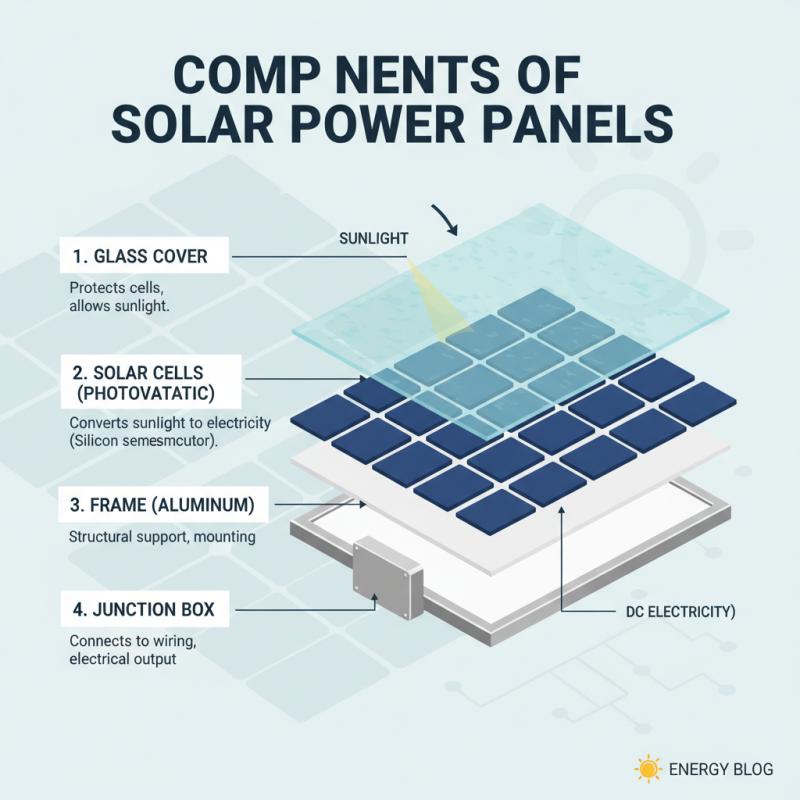
Components of Solar Power Panels
Solar power panels, or photovoltaic (PV) panels, convert sunlight into electricity. Understanding their components is crucial for grasping how they function. Each panel typically consists of several key parts: solar cells, a frame, a glass cover, and a junction box. Solar cells are the heart of the panel, made of semiconductor materials such as silicon. They absorb sunlight and create an electric current through the photovoltaic effect.
The frame, often made of aluminum, provides stability and protection for the delicate solar cells. It also allows for easy mounting on different surfaces. The glass cover protects the solar cells from weather elements, ensuring durability and efficiency. A junction box at the back of the panel connects the cells to the external electrical system. It also houses important safety and performance features.
While solar panels are effective, they have limitations. For example, they rely heavily on sunlight, which means performance can drop on cloudy days. Dust and debris can also accumulate on the panels, reducing their efficiency. Regular maintenance is essential to ensure optimal energy production. Understanding these components and their potential drawbacks is vital for anyone considering solar energy solutions.
Advantages and Challenges of Using Solar Panels
Solar power panels offer a sustainable way to generate energy. They capture sunlight and convert it into electricity. This process resembles a dance between nature and technology, yet it comes with advantages and challenges.
One clear benefit is energy independence. Homeowners can reduce their reliance on traditional power grids. Additionally, solar panels can lower electricity bills significantly. This financial relief is attractive for many. Moreover, using solar energy reduces carbon footprints, contributing to a healthier planet.
However, challenges exist. Initial installation costs can be high, which deters some homeowners. Weather conditions also impact efficiency. Overcast days yield less electricity. Maintenance, while generally low, requires oversight. It asks for regular cleaning to function optimally. Solar panels also take up space, posing a constraint for those with limited roof areas. These factors warrant careful consideration before making a decision.
What is Solar Power Panels and How Do They Work? - Advantages and Challenges of Using Solar Panels
| Feature |
Details |
| Type of Solar Panel |
Monocrystalline, Polycrystalline, Thin Film |
| Efficiency |
15% - 22% depending on the type |
| Lifespan |
25 - 30 years |
| Environmental Impact |
Reduces carbon emissions and reliance on fossil fuels |
| Advantages |
Renewable energy source, low operating costs, energy independence |
| Challenges |
High initial costs, weather dependent, requires space for installation |
| Maintenance |
Minimal, mostly cleaning and inspections |
| Installation Cost |
$15,000 - $30,000 for residential systems |
| ROI (Return on Investment) |
Typically ranges from 5 to 15 years |