Hurricane Battery Backup Tips for Preparedness and Efficiency?
Hurricane season brings unpredictable challenges. One crucial aspect of preparedness is the Hurricane Battery Backup system. These systems can provide necessary power when the grid fails. In a storm's aftermath, access to electricity can make a significant difference. Yet, many overlook their importance until it's too late.
Understanding how to select and maintain a Hurricane Battery Backup is essential. A reliable battery system can keep vital devices running, such as medical equipment or communication tools. It’s not just about survival; it’s about maintaining a sense of normalcy during chaos. Every household should assess their unique needs and plan accordingly.
However, there are potential pitfalls. Not all systems are equal, and some may fail under pressure. Researching options is crucial; reading user reviews can reveal real-life experiences. Consider seeking expert advice from professionals familiar with storm preparedness. While technology can be an ally, the responsibility of preparedness ultimately rests on each individual.
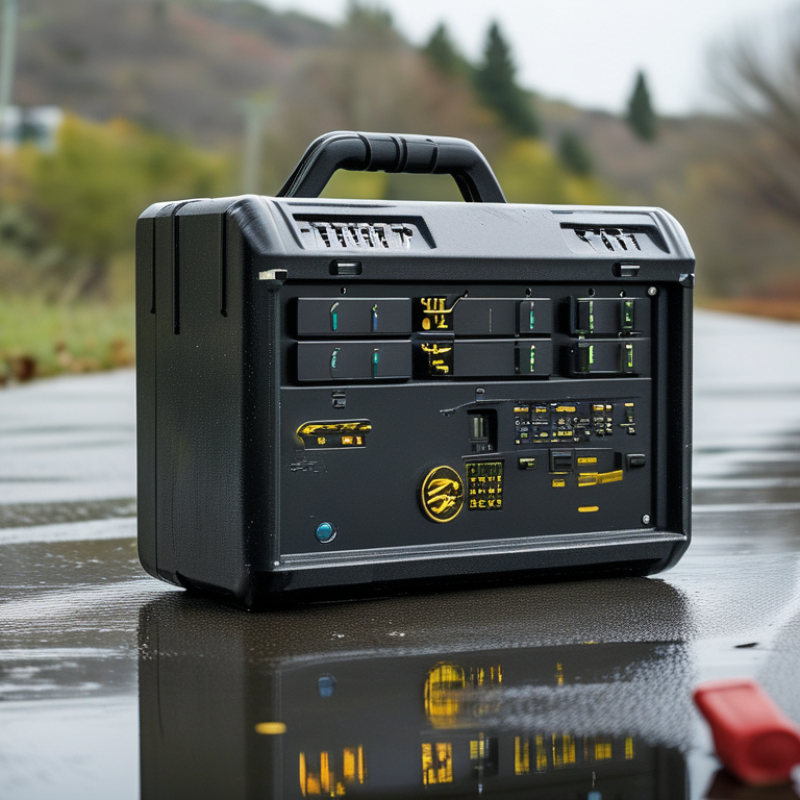
Importance of Battery Backup Systems During Hurricanes
Battery backup systems are crucial during hurricanes. They provide reliable power when storms disrupt the grid. Losing electricity can mean losing communication and essential services. A well-prepared battery system can keep your devices charged and your home connected. It’s a safety measure that shouldn't be overlooked.
However, selecting the right battery backup can be challenging. Not all systems offer the same features or capacity. Some may fail to provide enough power for essential appliances. Consider your needs carefully. Think about medical devices, refrigeration, and lighting. Each product has different specifications. Researching thoroughly can prevent mistakes later.
Preparation is key. Regularly test your battery system to ensure functionality. Many forget to maintain their backups until it's too late. An untested battery won’t be helpful during a storm. Create a checklist for regular inspections. This habit ensures reliability when you need it most. Adapt your setup as your circumstances change. Assess your needs annually to stay prepared.
Choosing the Right Battery Backup for Your Needs
When choosing the right battery backup for hurricane preparedness, several factors come into play. First, assess your power needs. A small backup may suffice for essential devices, while larger setups can support multiple appliances. Calculate wattage requirements to avoid overloading. This step ensures you have a system capable of sustaining your necessary operations during an outage.
Consider battery type as well. Lithium-ion batteries offer longer life spans and lightweight options. However, lead-acid batteries are more affordable and widely available. Think about space as well; some batteries require more room than others. A compact solution might fit easier in tight spaces. Don't overlook maintenance needs either, as some batteries necessitate regular upkeep to ensure optimal performance.
You may also reflect on your budget. High-capacity backup systems can be costly. Weigh the investment against potential losses during a hurricane. Often, people delay this decision until it's too late. It's crucial to remember that waiting can lead to inadequate preparation. Taking time now to evaluate your options can save hassle later when a storm approaches.
Proper Maintenance and Testing of Battery Backup Systems
When preparing for a hurricane, maintaining your battery backup system is essential. Regular checks can ensure reliable performance during power outages. Start by examining the battery terminals for corrosion. Clean any buildup to improve connectivity. It helps to keep your batteries in a dry, cool place. Extreme temperatures can reduce efficiency.
Testing your battery backup is equally important. Run a full cycle test every few months. This not only verifies functionality but also gauges the battery's charge capacity. A system that doesn’t hold a charge may fail when needed most. Document your tests and any issues for future reference.
Replace batteries every three to five years, or sooner if signs of wear appear. Look for swelling, leakage, or a decrease in runtime. Noticing these details can help avoid frustration during a storm. Update your backup plan according to the latest battery condition. Engaging in these practices can enhance your preparedness against hurricanes.
Strategies for Efficient Use of Battery Power During Outages
During a hurricane, battery backup systems become vital. It’s essential to manage your battery power efficiently to maintain essential functions. Start by prioritizing your devices. Focus on powering necessary items like lights, phones, and medical equipment. This targeted approach can extend battery life significantly during outages.
Consider using energy-efficient LED lights. They consume less power and last longer than traditional bulbs. Another effective strategy is to limit device usage. Disconnect non-essential devices to save energy. Each time you turn on a device, consider its necessity. You might realize that some items can wait. This level of mindfulness can make a difference in your power consumption.
Don’t forget to monitor your battery levels regularly. It’s easy to assume everything is fine, but batteries can drain faster than expected. If you notice a sudden drop in power, it’s a sign to adjust your usage. Regular check-ins will help you stay on top of your energy needs. Preparing for a hurricane demands flexibility. What works one day may not the next. Adapting your strategies can provide comfort and security when storms hit.
Additional Resources for Hurricane Preparedness and Battery Backup Tips
When preparing for a hurricane, battery backup systems are essential. These systems can provide power during outages. Ensure your battery backup is reliable and easy to access. Check battery levels before the storm. A fully charged battery can be a lifeline during the worst conditions.
Educate yourself on the different types of battery backups available. Some options may be more suitable for your needs. Research how long each battery can last during an outage. Testing your system regularly helps prevent unexpected failures. It’s not unusual to overlook this step, and the results can be costly.
Always keep a reliable flashlight and a battery-powered radio. These can help you stay informed and safe. Consider creating a family communication plan. It’s easy to assume everyone will stay together, but this isn’t always realistic during an emergency. Reflect on possible scenarios and how to address them. Staying prepared with solid knowledge and tools can significantly improve your readiness for any hurricane.
