Become a SmartFlower
Dealer or Installer.

Why Choose the Right Switch Socket for Your Needs?

Choosing the right Switch Socket is crucial for ensuring safety and efficiency in electrical installations. According to a report by the International Electro technical Commission (IEC), improper choice of switch sockets leads to over 30% of electrical hazards in homes. This statistic highlights the importance of selecting high-quality components tailored to specific needs.

Expert Johnathan Green, a recognized authority in electrical safety, once stated, “The right switch socket not only enhances convenience but also protects lives." His insights emphasize the balance between functionality and safety.

Understanding your requirements is essential. Different applications demand different types of Switch Sockets. For example, homes require versatile sockets while industrial settings may need robust specifications. Failing to choose wisely can result in costly repairs and potential dangers. Evaluating your needs with the right information can lead to better decisions, impacting long-term safety and satisfaction.
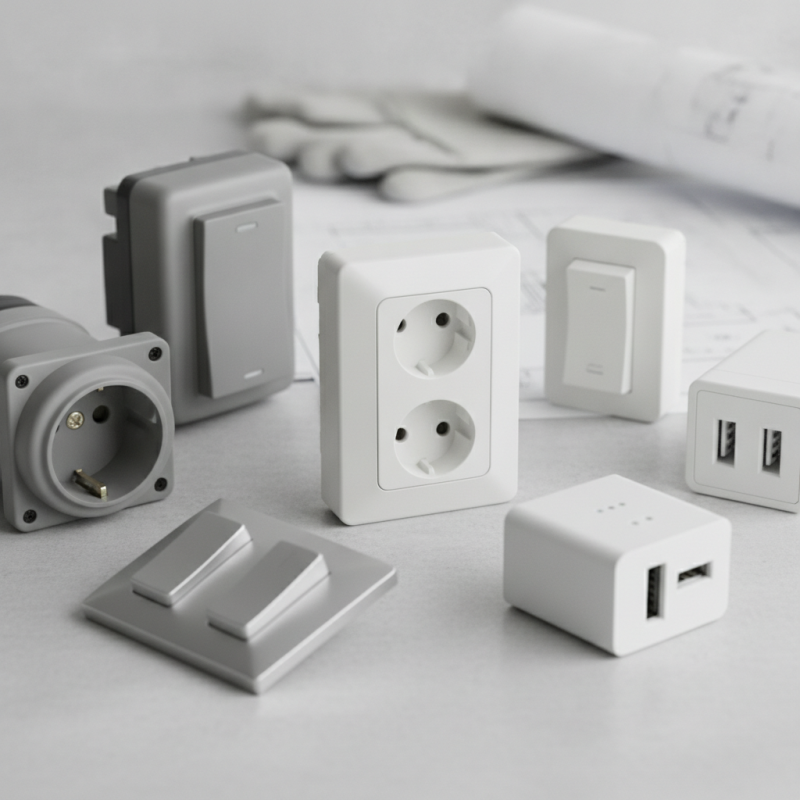
Why Choose the Right Switch Socket for Your Needs?

Understanding Different Types of Switch Sockets Available in the Market

When looking for switch sockets, understanding the different types available is crucial. Each type serves a specific function, catering to various needs. Standard sockets are common and versatile. They fit most household appliances and devices. However, they may not offer the safety features required for specialized equipment.

There are also smart sockets that integrate with home automation systems. These allow users to control appliances remotely. Yet, they can be more complex to install and set up. Consider your tech-savviness before choosing.

Weatherproof sockets are essential for outdoor use. They protect against moisture and dust. But, the added protection can come at a higher cost. Not all homes need this feature. Reflecting on your environment and usage patterns can help you make the right choice.

Factors to Consider When Choosing a Switch Socket for Your Home

When selecting a switch socket for your home, several factors come into play. Understanding these elements can improve both safety and convenience. One key aspect is compatibility. Ensure the socket matches your electrical appliances. Mismatched sockets can lead to inefficient power usage or even hazardous situations.


Another important factor is the number of outlets. Consider how many devices you typically use in a room. Some areas may require multiple outlets for chargers, lamps, or electronics. Overcrowding a single outlet can be risky, causing overheating or short circuits. Evaluate your needs thoughtfully.


Design also matters. A socket should blend well with your home’s interior. Functional yet aesthetically pleasing options are available. Think about the layout of your spaces. Improper placement can lead to frustrating accessibility issues. Take time to reflect on how you use your space and choose accordingly.

The Importance of Voltage and Amperage Ratings in Switch Sockets

Choosing the right switch socket is crucial for safety and efficiency. Voltage and amperage ratings are the primary factors to consider. A standard residential socket typically supports 120V to 240V. Exceeding these limits can lead to overheating or fire hazards. According to the National Fire Protection Association, electrical failures account for over 50,000 home fires annually. Proper ratings prevent these issues.

Amperage is equally important. Standard current ratings for sockets range between 10A and 15A for residential use. Higher amperage ratings may be necessary for specific appliances. The Electrical Safety Foundation International highlights that using inadequate sockets can cause circuit overloads. It is essential to understand your electrical needs before making a selection. This means assessing the power requirements of devices you plan to connect.

However, not everyone pays attention to these specifications. Many overlook the importance of matching socket ratings with their electrical load. This can lead to significant risks. Regular inspection and proper education on socket ratings can mitigate these dangers. Ignoring these considerations ultimately compromises safety and reliability in any electrical installation. Thus, awareness and diligence are key in making informed decisions.

Design and Aesthetic Considerations for Switch Socket Selection

When selecting a switch socket, design and aesthetics play a crucial role. The switch socket should blend seamlessly with your interior. It can enhance or disrupt the overall theme of your space. Consider the color and finish. A matte surface may suit modern decor, while a glossy finish adds elegance.

Tip: Choose contrasting colors for a bold look. For a subtle design, match the socket to your wall color. This creates an illusion of more space.

Light switches often come in various shapes. Square and round designs offer different vibes. A rounded switch provides a softer look, while a square switch conveys a contemporary edge. Reflect on the impact of these details. Are you drawn to minimalism or maximalism?

Tip: Explore if your switches can be smart. Smart switches not only serve functionally but also enhance the tech appeal of your home. They can be a conversation starter.

Functionality is undeniable, but aesthetics matter too. Your choice of switch sockets should resonate with your personal style. Think about how it feels in the space. Sometimes, a simple switch can feel very out of place. A thoughtful selection integrates beauty and functionality seamlessly.

Why Choose the Right Switch Socket for Your Needs?

This chart illustrates the importance rating (on a scale from 1 to 10) of various considerations when selecting a switch socket, including design, aesthetics, durability, functionality, and ease of installation. Prioritizing these factors can lead to a more satisfactory choice for your specific needs.

Ensuring Safety and Compliance with Electrical Standards for Switch Sockets

Selecting the appropriate switch socket is crucial for both safety and compliance. Electrical standards safeguard users from potential hazards. In a recent report by the National Electrical Manufacturers Association (NEMA), nearly 30% of electrical failures trace back to improper socket installation or use. This statistic highlights the importance of adhering to guidelines.

In areas where moisture is prevalent, using sockets rated for wet locations is essential. Such products must meet strict IP (Ingress Protection) ratings. A socket with an IP rating of 65, for example, indicates resistance to dust and water jets. Inadequate protection can lead to severe risks, including short circuits or electrical fires.

Moreover, understanding local electrical codes is vital. Variations exist between regions, which can contribute to non-compliance. About 40% of electrical installations fail inspections due to lack of adherence to these codes. It is not merely about choosing any socket. It's about ensuring it meets industry standards for safety and reliability. Awareness and education on these matters are necessary to enhance overall safety and compliance.

Article Source: