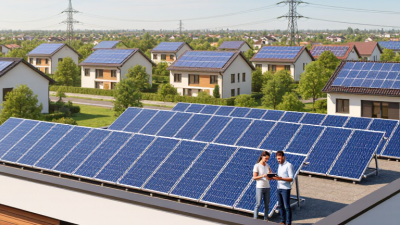
Choosing home solar panels is not simply a matter of comparing glossy efficiency numbers. It means matching technology with your roof, electricity use, climate, budget, and future plans. A south-facing roof may perform well, but nearby trees can quietly reduce annual production. A small chimney shadow matters more during winter months. This guide examines the practical decisions behind a dependable solar investment.
You will learn how to compare panel efficiency, temperature performance, degradation rates, warranties, and manufacturer reputation. We will also consider inverters, mounting systems, monitoring tools, and installation quality. Details matter. A family with an electric vehicle needs a different system from a small apartment household. Likewise, a cheap quote may exclude permits, electrical upgrades, or future maintenance. Independent product testing and clear warranty terms provide stronger evidence than advertising claims. Qualified installers should explain assumptions, expected output, and local grid requirements before signing.
There is no universally best panel. The right choice depends on measured demand and realistic site conditions. Even careful buyers can misjudge shade or underestimate seasonal consumption. I once treated a higher efficiency rating as the obvious winner; the roof layout changed that conclusion. Start with evidence. A reliable decision leaves room for imperfect forecasts. Use recent utility bills, roof photographs, and several detailed quotes. Then weigh lifetime value, not just the lowest purchase price. The goal is steady, safe energy production that fits your home for decades.
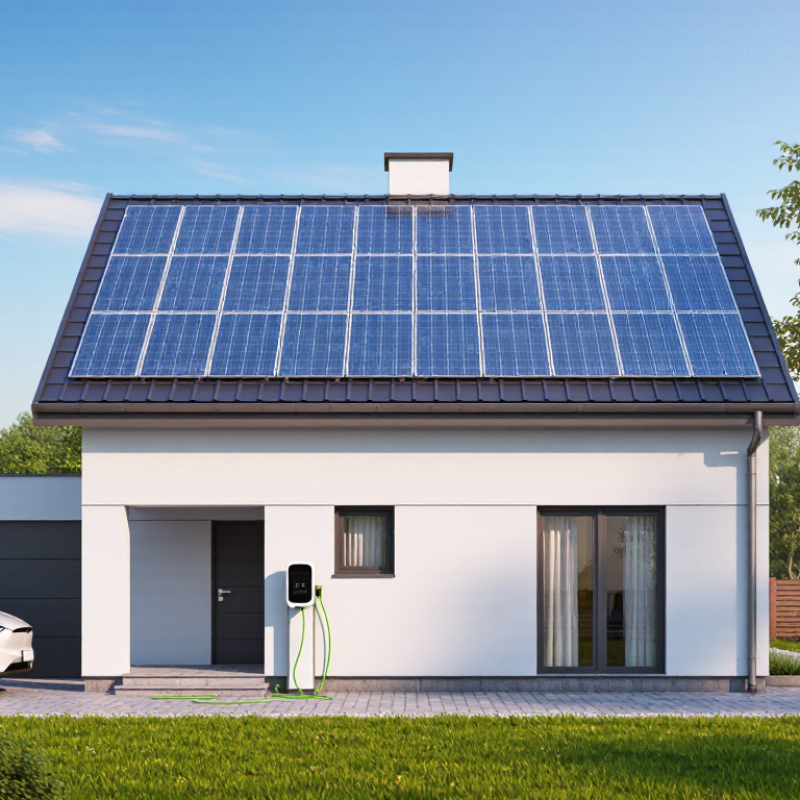
Choosing home solar panels begins with understanding their basic types. Monocrystalline panels usually offer high efficiency and strong performance in limited roof space. Polycrystalline panels can cost less, but they often need more area for similar output. Thin-film panels are lightweight and flexible, although their efficiency is commonly lower. These differences matter when your roof has shade, unusual angles, or limited structural capacity.
Efficiency shows how much sunlight becomes electricity under standard test conditions. A panel rated at 22% converts more sunlight than one rated at 19%. However, laboratory figures do not fully describe daily performance. Check the temperature coefficient, because output usually falls as the panel heats under summer sun. Review the power tolerance, expected degradation rate, and product warranty language. A high efficiency number is not always the best choice.
Key specifications deserve careful comparison. Examine rated power, open-circuit voltage, operating voltage, current, dimensions, and weight. The panel must match the inverter and the available roof space. In a practical assessment, measure shaded areas at different times, not only at noon. Dust, snow, and nearby trees can reduce production. I still double-check every datasheet, because small specification errors can affect system design. Roof loading and local electrical requirements also need review by a qualified professional.
Assessing your home's solar energy needs starts with evidence, not roof size. Review twelve months of electricity bills and record monthly kilowatt-hours. Seasonal changes matter. Air-conditioning may double summer consumption, while winter heating creates a different pattern. If available, check hourly usage data from your utility portal. It can reveal costly evening peaks that panels cannot cover after sunset.
Walk around the property at different times. Note chimney shadows, nearby trees, roof angles, and usable roof space. A bright roof at noon may be shaded by three o'clock. Measure appliance loads too. An electric water heater, heat pump, or vehicle charger can reshape the system size. My first estimate was too optimistic because I ignored a small workshop heater. That mistake showed why actual habits beat assumptions. Keep some margin, but avoid sizing for every imagined appliance.
Compare your average daily use with the roof's expected solar production. A qualified solar professional can model local sunlight, roof orientation, weather, panel temperature, and system losses. Ask for assumptions in writing, including battery performance and backup duration. Independent energy assessments can improve confidence, especially when bills are unusually low or high. Check whether the roof needs repairs before installation. Solar equipment may last decades, but your consumption probably will not stay fixed. Children grow, work patterns change, and efficient appliances can reduce demand. Leave room for revision.
Choosing home solar panels requires more than comparing their peak wattage. In real installations, performance depends on temperature, shade, roof angle, and inverter quality. A panel rated at 450 watts may produce less energy on a hot afternoon. Check its temperature coefficient and low-light performance. I also prefer published test results over impressive advertising claims.
Durability matters on the roof, where panels face hail, wind, humidity, and repeated heating and cooling. Look for recognized safety and performance certifications, strong load ratings, and clear resistance testing. Inspect the frame, glass, and connector design. A small installation detail can become a costly repair later. I once focused too heavily on output and overlooked access for maintenance. That was a poor decision.
Warranty language deserves close attention. Separate the product warranty from the performance warranty. The first may cover manufacturing defects, while the second promises limited power retention over time. Check the expected degradation rate, claim process, labor coverage, and whether the warranty transfers to a future homeowner. Some terms exclude installation errors, transport damage, or unauthorized repairs. Keep invoices, photographs, and commissioning records. They may be essential during a claim. Longer coverage is not automatically better if the provider’s obligations are vague. Read every condition. A trusted installer should explain these terms plainly and provide written answers, although even professional advice can miss a roof-specific problem.
| Evaluation Dimension | Monocrystalline PERC | Monocrystalline TOPCon | Monocrystalline HJT | Thin-Film |
|---|---|---|---|---|
| Typical Module Efficiency | Approximately 19%–22% | Approximately 21%–23.5% | Approximately 21%–23.5% | Approximately 10%–18%, depending on technology |
| Typical Residential Power Output | About 350–450 W per module | About 400–500 W per module | About 400–500 W per module | About 100–450 W per module, depending on module size |
| Space Required for the Same Power | Moderate | Low | Low | High |
| Performance in High Temperatures | Good; typical temperature coefficient is about −0.35% to −0.40% per °C | Very good; commonly about −0.29% to −0.35% per °C | Excellent; commonly about −0.24% to −0.30% per °C | Good; some thin-film technologies maintain relatively stable output in heat |
| Low-Light Performance | Good | Very good | Very good | Good in diffuse light, but lower efficiency requires more roof area |
| Performance in Partial Shade | Good when equipped with half-cut cells and suitable bypass-diode design | Good; system-level shade design remains important | Good; system-level shade design remains important | Can perform well in diffuse light, but shading still reduces output |
| Typical First-Year Degradation | About 1%–2% | About 1% | About 1% | Often about 1%–3%, depending on the technology and encapsulation |
| Typical Annual Degradation After Year One | About 0.35%–0.50% per year | About 0.25%–0.40% per year | About 0.25%–0.35% per year | Often about 0.40%–0.80% per year |
| Expected Service Life | Generally 25–30 years when properly installed and maintained | Generally 30 years or more with suitable installation and environmental protection | Generally 30 years or more with suitable installation and environmental protection | Often 20–30 years, depending on product construction and climate |
| Mechanical Load Rating | Commonly around 2,400 Pa front load and 4,000 Pa rear load; verify the product certificate | Commonly around 2,400 Pa front load and 4,000 Pa rear load; verify the product certificate | Commonly around 2,400 Pa front load and 4,000 Pa rear load; verify the product certificate | Varies considerably; confirm wind and snow ratings for the selected mounting system |
| Resistance to Humidity and Corrosion | Good when certified for damp-heat and salt-mist conditions | Good to very good; check damp-heat, salt-mist, and ammonia test documentation | Good to very good; glass-glass designs can offer strong moisture protection | Varies by encapsulation; edge sealing is especially important |
| Product Warranty | Commonly 12–15 years | Commonly 12–15 years, with some products offering longer terms | Commonly 12–15 years, with some products offering longer terms | Commonly 5–12 years, depending on construction and supplier terms |
| Performance Warranty | Commonly 25–30 years, ending at approximately 80%–87% of initial rated output | Commonly 30 years, often ending near 87%–89% of initial rated output | Commonly 30 years, often ending near 87%–89% of initial rated output | Commonly 20–25 years, often ending near 80%–85% of initial rated output |
| Best Fit for a Home | Cost-conscious projects with sufficient roof space and proven installation conditions | Homes with limited roof area that need high output and strong long-term efficiency | Hot climates, premium installations, and roofs where temperature performance matters | Large roofs, lightweight structures, or projects prioritizing diffuse-light performance |
| Main Selection Check | Compare efficiency, degradation rate, temperature coefficient, and total installed cost | Check long-term performance terms, product certification, and installer experience | Check glass-glass weight, mounting requirements, warranty exclusions, and installation quality | Confirm available roof area, attachment method, fire rating, and long-term warranty support |
| Important Warranty Questions | Confirm whether the warranty covers only the module or also labor, shipping, removal, and reinstallation. Check the claim process, geographic coverage, transferability to a future homeowner, exclusions for improper installation, and whether the performance guarantee is measured by rated power or actual energy production. | |||
| Figures are representative industry ranges rather than guarantees for every product. Actual results depend on cell design, module construction, roof orientation, shading, climate, inverter selection, installation quality, and the specific warranty document. Always verify current technical datasheets, certification records, and written warranty terms before purchasing. | ||||
Choosing home solar panels starts with the roof, not the catalog.
Inspect the attic if it is safe, and look for daylight near shingles, vents, and flashing. Soft decking, curled shingles, or visible leaks can turn installation into an expensive repair. A solar array may last decades. The roof should be ready first. Ask a qualified installer to check rafters, roof age, pitch, and shaded areas. Installers often see attractive plans change after one chimney blocks afternoon sunlight.
Every property has installation limits.
A narrow roof may hold fewer panels than an online estimate suggests. Local rules may require permits, setback distances, rapid-shutdown equipment, or special wiring. An installer should explain these requirements clearly and provide a structural load calculation. Do not accept a crowded layout without maintenance paths. Panels need space from vents and roof edges. That detail is easy to miss.
In hot regions, ventilation beneath panels can reduce heat stress, while heavy snow demands strong mounting and safe access. Coastal air may corrode exposed metal, and dusty areas may need frequent cleaning. Track seasonal shade, not just a bright spring morning. A professional should use local weather data, roof measurements, and electrical records before recommending system size. Still, forecasts are not guarantees. Unexpected storms happen. Review insurance, maintenance duties, and realistic production estimates before signing.
How to Choose the Best Home Solar Panels?
Panel selection should begin with your roof, electricity use, and local sunlight—not the highest wattage number. A professional site assessment checks shading, roof age, pitch, wiring, and available space. NREL’s 2024 residential photovoltaic benchmark estimates system costs near $2.68 per watt before incentives, though local labor can change the figure sharply. My first estimate was too optimistic because I ignored afternoon shading from a neighboring tree.
Calculate annual savings using recent utility bills, not a single low month. A 7-kilowatt system may produce roughly 9,000 kilowatt-hours yearly in a sunny U.S. region, according to NREL’s PVWatts modeling approach. Your result could be lower. Net-metering rules, export rates, and time-of-use prices may matter more than panel efficiency. Check the utility tariff carefully.
In the United States, the Department of Energy reports that the federal residential clean energy credit can cover 30% of eligible solar costs through 2032, subject to current rules and taxpayer eligibility. Include permits, maintenance, inverter replacement, financing interest, and possible roof work. The EnergySage 2024 Solar Marketplace Intel Report placed quoted residential prices around $2.69 per watt, but quotes vary by location and system design. Compare production guarantees, equipment warranties, installer experience, and projected cash flow. Cheap systems can become expensive when repairs, battery losses, or weak monitoring are overlooked. Ask for assumptions in writing.