How to Choose the Best Glass Jar Manufacturers for Your Needs?
Choosing the right glass jar manufacturers is crucial for businesses. With the global glass container market valued at $60 billion in 2022, selecting a reliable supplier can significantly impact product quality. Various sectors rely on high-quality glass jars, including food, cosmetics, and home goods. The demand is projected to grow by 3% annually through 2026.
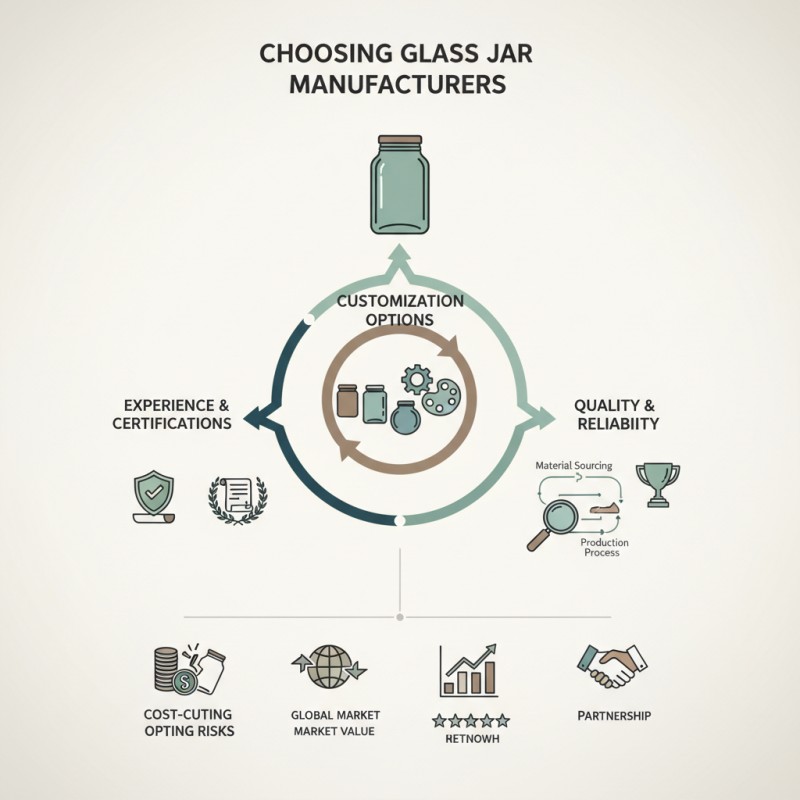
When evaluating glass jar manufacturers, consider their experience and industry certifications. Companies with a proven track record often demonstrate superior quality controls. In a competitive market, a manufacturer’s ability to offer customization options also matters. However, not all manufacturers uphold the same standards. Some may cut corners to reduce costs, impacting the durability of their products.
It’s essential to conduct thorough research. Look for reviews and case studies that showcase a manufacturer’s reputation. Transparency in sourcing materials and production processes reflects reliability. Understanding these aspects can guide businesses to make informed decisions that boost their products’ success in the marketplace.
Understanding Your Specific Glass Jar Requirements
When selecting glass jars for your needs, it's crucial to understand your specific requirements. Consider the size, shape, and intended use of the jars. Are you storing dry goods, liquids, or crafting materials? Each purpose dictates different specifications. Metric measurements can help ensure accuracy. Custom designs might be necessary for unique applications.
Tips: Think about the jar's sealing mechanism. Will you require airtight lids? This feature is key for preserving contents. Don't overlook the importance of weight. A heavier jar often indicates better quality. Light-weight options could break easily.
Think also about your environmental impact. Reusable glass jars are a sustainable alternative to plastic. Reflect on how many jars you'll need and their lifespan. Balancing quantity with quality can save costs in the long run. Explore various manufacturers' options to find those that align with your values. Sometimes the cheapest option may not be the most beneficial. It's wise to look for reliable suppliers who prioritize sustainability.
Glass Jar Manufacturers Comparison
This chart compares the capacity of glass jars from various manufacturers. Evaluating the capacity helps you select the best manufacturers based on your jars' needs.
Researching Potential Glass Jar Manufacturers
Researching potential glass jar manufacturers is crucial for meeting your specific needs. Start by exploring various options online. Look for manufacturers with solid reviews and a proven track record. Their website should provide clear information about their capabilities, materials, and processes.
Consider reaching out directly to the manufacturers. Ask about their production capacity and turnaround time. A reliable manufacturer will be transparent and responsive. Pay attention to communication. If they are slow to reply, it may reflect their overall customer service.
Evaluate their commitment to sustainability and quality control. Look for certifications that indicate adherence to industry standards. If possible, request samples to assess product quality. This can help you gauge how well they align with your brand. Reflect on your experiences during this research. Are there areas where you need more information or clarification? Taking the time to gather details can prevent potential misunderstandings down the line.
Evaluating Quality and Compliance Standards
When choosing glass jar manufacturers, evaluating their quality and compliance standards is crucial. Quality assurance should be a top priority. Look for manufacturers that provide certifications. These can include ISO and ASTM certifications. Such designations indicate adherence to industry standards.
Check for transparency in the manufacturing process. Ask for reports on raw materials and production methods. A reputable manufacturer will share details willingly. Understanding the materials used can help assess the durability of the jars. Remember that not all glass is created equal. Quality glass jars should resist breaks and chips effectively.
Compliance standards matter greatly as well. Ensure that the manufacturer complies with food safety regulations if jars will store consumables. This adds a layer of safety and trust. It's worth noting that some manufacturers cut corners to reduce costs. Textured surfaces or unusual colors may deviate from expected standards. Look for red flags in these areas. Quality manufacturers invest time in obtaining the proper certifications and consistently meet safety requirements.
Comparing Prices and Delivery Options
When choosing the best glass jar manufacturers, price and delivery options are crucial. Recent industry reports show that shipping costs can account for up to 25% of total product expenses. Understanding these costs helps businesses budget effectively. Some manufacturers offer flat-rate shipping, while others adjust prices based on distance. Analyzing these options can save a significant amount.
Delivery times also vary significantly among manufacturers. A survey indicated that 40% of companies cite delayed deliveries as a major issue. When time is money, selecting a manufacturer with reliable timelines is essential. Track records are important; manufacturers with on-time delivery rates above 90% are preferable. It’s wise to ask for references and feedback from past clients.
However, it’s not always perfect in this industry. Not every manufacturer accurately communicates delays. Mixed reviews about reliability can make it hard to choose. It’s essential to remain cautious and gather as much information as possible. Balancing costs against delivery efficiency can guide your decision.
Assessing Customer Service and Communication Skills
When selecting glass jar manufacturers, customer service can be a game-changer. You want a manufacturer who responds quickly. A quick reply indicates that they value your time. Ask questions about their products and see how they handle inquiries. Their communication style can reveal their professionalism.
It’s important to assess their willingness to listen. A good manufacturer should understand your specific needs. They should be open to feedback. This openness builds trust, essential for a long-term partnership. Pay attention to their communication skills in follow-up discussions, too. A lack of clarity may signal potential issues down the line.
Building a relationship with the manufacturer is crucial. Look for a company that keeps you informed throughout the process. Regular updates suggest reliability. However, if they fail to respond promptly or ignore your concerns, you may need to rethink your choice. Don’t settle for something less than excellent service. Your project deserves it.
