How to Choose the Best Sink Drain Lid for Your Needs?
Choosing the right Sink Drain Lid can be challenging. According to plumbing expert Michael Thompson, “A good sink drain lid balances functionality and aesthetics.” His insight highlights the importance of both aspects.
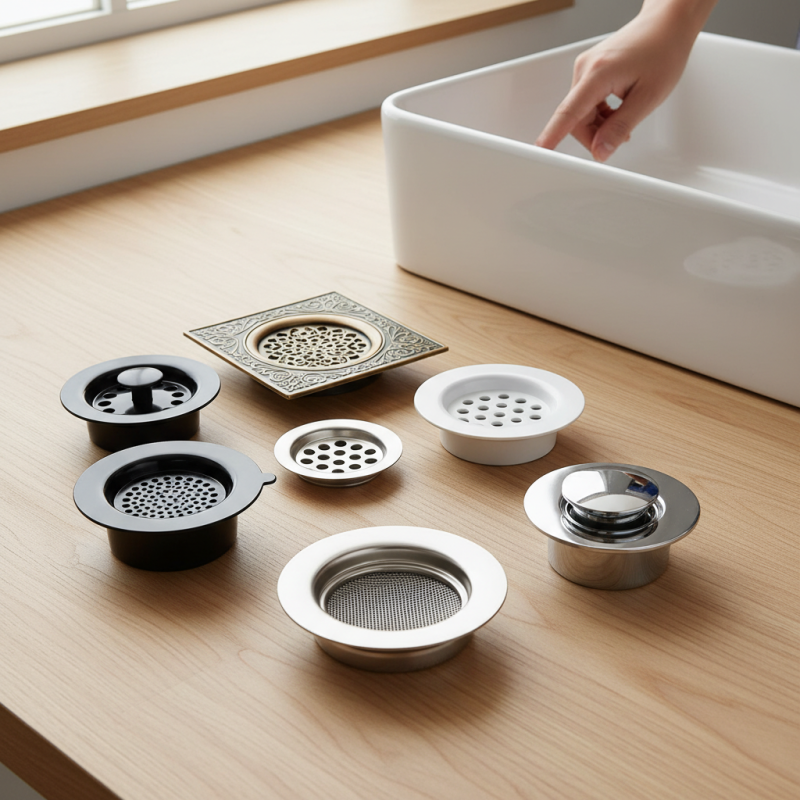
When selecting a Sink Drain Lid, consider your specific needs. Different materials and designs offer various levels of durability. Stainless steel options are robust, while plastic lids might appeal for their lightweight nature. Think about your sink's style as well. A mismatched lid can detract from your kitchen's or bathroom's overall look.
Customer reviews can help guide your decision. Insights from users reveal common issues, like fit and ease of use. Be cautious as not all lids are created equal. Reflect on what aspects matter most to you—performance, cost, or appearance. Weighing these factors can lead you to the best choice for your home.
How Sink Drain Lids Impact Plumbing Efficiency and Maintenance Needs
When selecting a sink drain lid, understanding its role in plumbing efficiency is vital. Proper drain lids reduce clogs, maintaining optimal water flow. Studies indicate that over 70% of plumbing issues stem from debris accumulating in drains. A well-matched drain lid minimizes this risk, contributing to smoother plumbing operations.
For maintenance, the right sink drain lid can make a significant difference. Regular cleaning is necessary, ideally monthly. Research shows that using quality materials can extend the lifespan of both the drain lid and plumbing fixtures. Costly repairs can arise from neglected maintenance. A high-performing drain lid simplifies upkeep and enhances system longevity.
Choosing the best lid requires careful thought. Some lids may not fit securely, leading to leaks. It’s essential to balance durability with design. An ineffective lid can lead to water damage. Reflecting on these factors can ensure that you make an informed decision for your plumbing needs.
Key Material Considerations: Plastic vs. Metal Drain Lids and Their Durability
When choosing a sink drain lid, material matters significantly. Plastic and metal are the primary options. According to industry reports, plastic drain lids can last around 3-5 years. They are lightweight and resistant to corrosion but may crack under extreme temperatures. On the other hand, metal drain lids typically offer greater durability, lasting up to 10 years or more. They resist wear and tear better, but can rust when exposed to moisture.
Tips: Consider your local climate. If you live in a humid area, metal might rust faster. Plastic could be a safer option. Analyze your usage frequency. High-traffic areas might benefit from the strength of metal.
Another factor is how often you maintain the lids. Regular maintenance prolongs their lifespan. Neglecting cracks or chips in plastic lids can lead to further degradation. Meanwhile, scratches on metal can impact appearance and functionality. A worn-out lid may lead to drainage issues, costing more in repairs.
Comparison of Sink Drain Lid Materials: Plastic vs. Metal
| Material | Durability | Corrosion Resistance | Weight | Cost |
| Plastic | Moderate durability; may crack under extreme conditions | Good; resistant to rust and corrosion | Lightweight | Low cost |
| Metal | High durability; resistant to impact | Excellent; typically stainless steel or brass | Heavier than plastic | Higher cost |
Sizing Guidelines: How to Measure Your Sink Drain for Optimal Fit
When selecting a sink drain lid, accurate sizing is crucial for optimal performance. To measure your sink drain, start by using a ruler or measuring tape. Measure the diameter of the drain opening. Common sizes range from 1.5 to 3 inches, but variations exist. A study by the National Kitchen and Bath Association indicates that over 40% of homeowners opt for the wrong size, leading to drainage issues.
Consider the depth of your sink drain as well. This measurement influences the fit of the lid. The lid should sit snugly over the drain, preventing debris from entering while allowing water to flow freely. In fact, improper sizing can reduce drainage efficiency by 25%, according to plumbing experts.
Remember to check the material of both the lid and the sink. A mismatch could lead to corrosion or damage over time. Do not overlook the aesthetics, as well. A well-fitted lid contributes to a cohesive look in your kitchen or bathroom. Many homeowners report dissatisfaction with drains that don’t match their décor or functionality needs, reflecting the importance of this choice.
Understanding the Functionality: The Role of Drain Lids in Preventing Clogs
Drain lids play a critical role in maintaining the functionality of your sinks. They act as a barrier, preventing debris and food particles from flowing down the drain. This simple mechanism can save you from frustrating clogs. When installed correctly, a quality drain lid can significantly reduce the frequency of plumbing issues.
Understanding your sink's needs is essential. Some sink drains might require a mesh design, while others could benefit from a solid lid. The right choice depends on your usage and the types of materials you typically wash away. A well-chosen drain lid not only keeps your plumbing clear, but it may also enhance your kitchen’s efficiency.
It's important to consider the maintenance of your chosen drain lid. Regular cleaning is necessary to ensure optimal performance. Over time, even the best products can accumulate grime and lose effectiveness. Observing how the lid functions can highlight areas for improvement. Reflecting on your sink's usage helps in making informed adjustments, leading to a better experience.
Cost-Benefit Analysis: Evaluating Long-term Value of Different Sink Drain Lids
When evaluating sink drain lids, understanding their long-term value is essential. A well-chosen drain lid can prevent costly plumbing issues. Your options vary in materials, design, and durability. Some lids might seem affordable but can require frequent replacements. Evaluate what it offers over time.
Consider your household's specific needs. If you have children or pets, a durable, non-slip lid might be necessary. Look for options that withstand wear and tear. A visually appealing design can enhance your kitchen or bathroom aesthetics. Assess how easy it is to clean and maintain.
Tips: To save money in the long run, invest in quality materials. Stainless steel or high-grade plastic usually holds up better. Always check reviews and consult experts. Make a list of features that matter most to you. Prioritize your requirements to avoid impulsive decisions. Remember that cheaper isn't always better; sometimes, it leads to regrets.