China Top EV Charger Plug Market Trends for the 2026 Canton Fair?
As the 2026 Canton Fair approaches, the focus on the EV Charger Plug market intensifies. Industry expert Dr. Emily Chen remarked, “Innovation in EV charger technology is crucial for market growth.” This highlights the pivotal role of advanced charging solutions in the rapidly evolving electric vehicle landscape.
The fair's timeline includes significant advancements in manufacturing and electronics, with specific emphasis on the growing demand for efficient EV charging solutions. With over 1.5 million square meters of exhibit space, the event is expected to attract a wide range of stakeholders in the EV sector. Attendees can utilize AI-driven tools for precise navigation and supplier selection, making the experience more efficient.
With increasing emphasis on ISO and CE certified products, it’s vital for companies to adapt to these standards. However, there will be challenges. Some participants may struggle with the innovative demands of the EV Charger Plug market. The trends showcased at the fair could reshape industry dynamics, encouraging reflection on current practices.
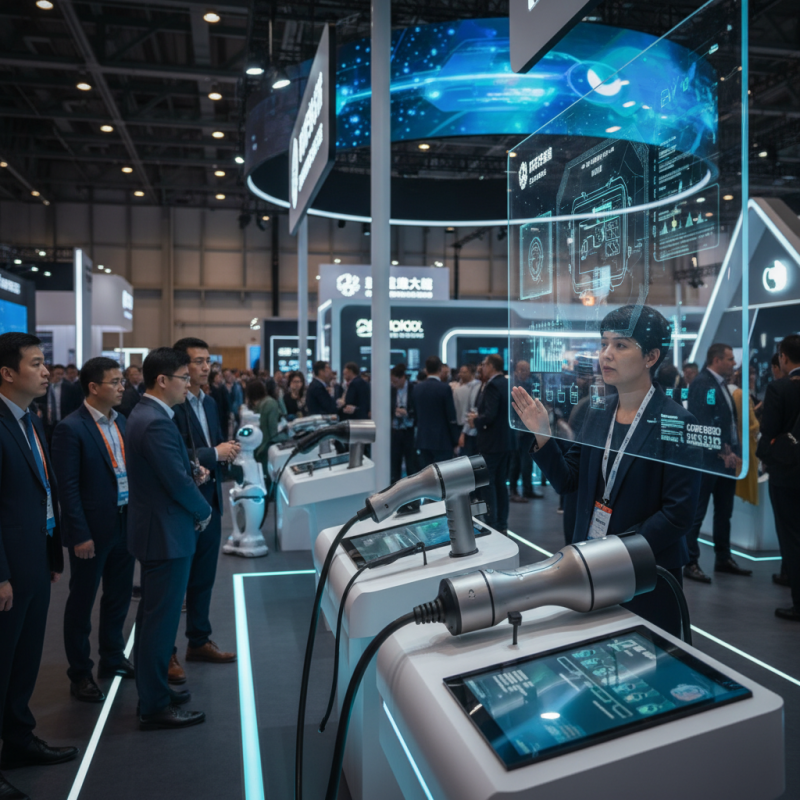
China's EV Charger Plug Market Overview in 2026
The EV charger plug market in China is set to undergo significant changes by 2026. The surge in electric vehicle sales drives the demand for efficient and reliable charging solutions. Innovation is key, but not every new idea succeeds. Many companies will need to rethink their strategies.
A focus on user experience is vital. Chargers must be easy to use, accessible, and fast. At the same time, integrating smart technology can enhance the charging process. However, some smart features may confuse users. Balance is necessary between innovation and simplicity.
**Tip**: Engage with users for feedback. Understanding their needs can lead to better products. Industry players should also be aware of regulations. Compliance is crucial for trust. Investing in safe and efficient designs pays off eventually. The future is promising, yet challenges remain.
China Top EV Charger Plug Market Trends for the 2026 Canton Fair
| Market Segment | Projected Market Size (in billion USD) | Growth Rate (%) | Key Trends |
| Home Chargers | 2.5 | 15% | Increased adoption of EVs in urban areas |
| Commercial Chargers | 4.0 | 20% | Expansion of charging networks in cities |
| Fast Chargers | 3.0 | 25% | Technological advancements in charging speed |
| Wireless Chargers | 1.0 | 30% | Emerging interest in convenience and technology |
Key Players and Competitors in China's EV Charger Industry
The electric vehicle (EV) charger market in China is rapidly evolving. Key players are racing to innovate and capture market share ahead of the 2026 Canton Fair. According to a recent industry report, the market is expected to grow at a compound annual growth rate (CAGR) of 35% from 2022 to 2026. This growth presents both opportunities and challenges.
Competition in China's EV charger industry is intense. Several companies are focusing on fast-charging technology, which is gaining traction among consumers. An estimated 70% of new installations in 2023 prioritized ultra-fast chargers. This may lead to quality concerns as some manufacturers rush to meet demand. Reliability is crucial; unreliable chargers could hinder overall EV adoption.
Additionally, partnerships with technology firms are becoming common. Companies seek to leverage software solutions to enhance user experience. However, the reliance on external tech can be a double-edged sword, potentially leading to integration issues. Market players must scrutinize collaboration outcomes, ensuring they align with long-term goals. Balancing innovation with practicality is essential for sustainable growth in this dynamic landscape.
Emerging Technologies in EV Charger Plug Design and Efficiency
Emerging technologies in EV charger plug design are transforming the charging experience. Recent advancements focus on enhancing efficiency and user convenience. For instance, smart plugs can communicate with vehicles, optimizing charging times and reducing waste. This innovation can significantly benefit both users and the grid.
In addition, modular designs are gaining traction. These plugs allow for easy upgrades as technology evolves. However, there are challenges to consider. Compatibility issues may arise with older vehicle models. Moreover, not every design is universally accepted. Market players must navigate these complexities to deliver effective solutions.
Another intriguing trend involves wireless charging technologies. Imagine charging your EV just by parking it over a charging pad. This concept is appealing but still requires extensive testing. Energy transfer rates need improvement, and safety standards must be established. Continuous development is essential for success in this area.
Consumer Preferences and Demand Trends for EV Chargers in 2026
As the demand for electric vehicles (EVs) surges, consumer preferences for EV chargers are evolving rapidly. According to recent industry reports, the Chinese EV charger market is expected to grow significantly by 2026, with a projected increase in charger installations by over 30%. This trend highlights a shift towards more accessible and user-friendly charging solutions.
Many consumers now prefer home charging solutions over public stations. A survey indicated that 55% of EV owners would choose a charger that is easy to install at home. Additionally, there is a strong desire for fast-charging options. Nearly 70% of potential buyers expressed interest in chargers that can fully charge an EV in under an hour. This shift reflects a growing impatience and the need for convenience in everyday life.
Moreover, sustainability concerns are influencing purchasing decisions. Around 45% of consumers are looking for chargers made from recycled materials. This blend of eco-friendliness and efficiency is reshaping manufacturing priorities. The challenges remain. Not all manufacturers can meet these rising expectations. Many fail to balance price and performance, leading to gaps in consumer satisfaction. The 2026 Canton Fair will likely showcase innovations that address these critical areas.
China EV Charger Plug Market Trends for 2026
Regulatory Impact on EV Charger Standards and Market Growth in China
The regulatory landscape is evolving rapidly in China. New standards for EV chargers are emerging. These regulations aim to enhance safety and compatibility across various charging stations. Compliance is essential for manufacturers. It can determine their market presence.
Recent changes have created confusion. Some manufacturers struggle to meet new standards. The lack of clear guidelines can hinder growth. However, businesses that adapt and innovate may find new opportunities. Understanding these regulations becomes a key to success.
The 2026 Canton Fair will likely showcase the latest charging technologies. Industry players will need to showcase compliance effectively. This focus on regulation could drive competition. While some companies may falter, others will rise. The future of the EV charger market in China hinges on how well all stakeholders navigate these challenges.
