What is the Best Solar Power for Home Solutions?
In the quest for sustainable living, solar power for home has gained immense popularity. Experts estimate that solar energy can significantly reduce electrical bills while contributing to a greener planet. Leading solar energy expert, Dr. Emily Baker, states, “Investing in solar power for home is not just about savings; it's about preserving our future.”
Many homeowners are now exploring their options. They seek reliable systems that fit their unique needs. However, the market is flooded with choices, which can be overwhelming. Are all these solutions trustworthy? Some installations may promise high efficiency but fall short in real-world application. Understanding the differences between various products is crucial.
As the solar industry evolves, new technologies emerge. Some products may not be as effective as advertised. Buyers must conduct thorough research and consult with professionals. While solar power for home offers great potential, discernment remains vital. Evaluating genuine testimonials and performance reviews can pave the way for informed decisions in this growing market.
Understanding Solar Power Systems for Home Use
Understanding solar power systems for home use is essential for anyone considering this energy solution.
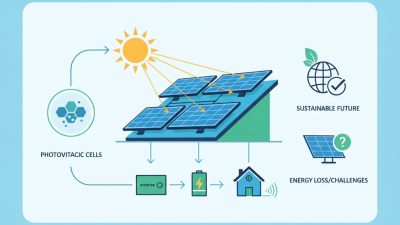
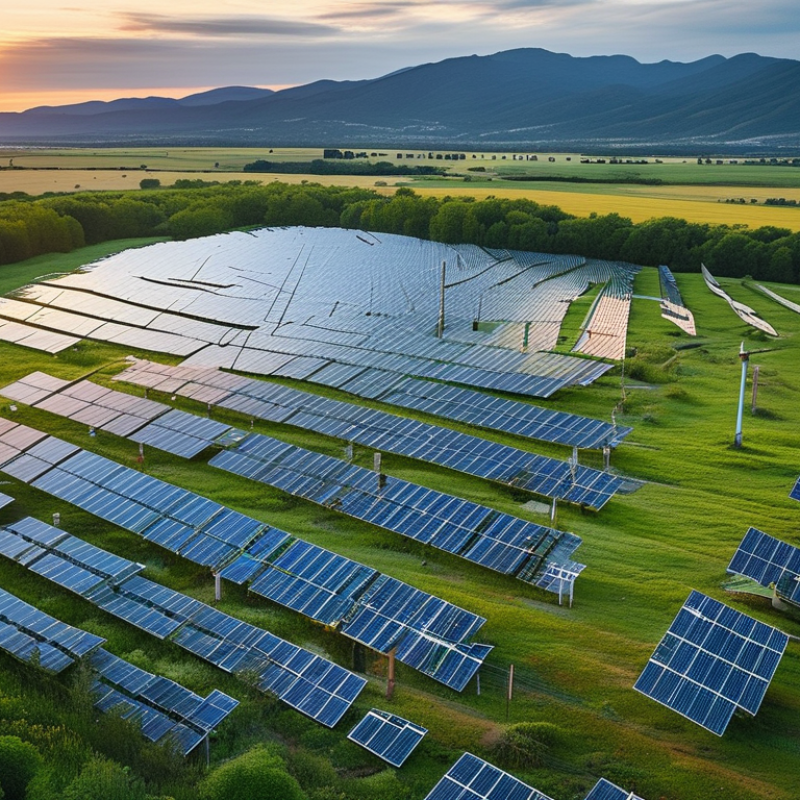
Solar panels convert sunlight into electricity. This process can significantly reduce utility bills. A typical home installation consists of solar panels, an inverter, and a battery system. Each component plays a crucial role in maximizing energy efficiency.
When evaluating solar power systems, consider your location and roof space. Some homes receive more sunlight than others. This variation affects system performance. It is essential to assess your energy needs accurately.
Oversizing a system leads to unnecessary costs.
Undersizing may leave you reliant on grid power.
Think about local regulations and incentives. Not all areas offer the same benefits for solar installations. Researching these aspects can save money and streamline the installation. Lastly, rely on trusted sources for guidance.
This enhances your understanding and confidence.
Engaging with professionals often brings clarity but can raise expectations. It’s important to balance hope with realism. Investing in solar power is significant but requires careful thought.
Types of Solar Power Solutions: Panels, Inverters, and Batteries
When considering solar power solutions for your home, three key components come to mind:
solar panels, inverters, and batteries.
Solar panels capture sunlight and convert it into electricity. Their efficiency varies based on the technology used and installation quality.
Choosing the right panels is essential, as they heavily influence energy output.
Factors like size, orientation, and shading must be examined closely.
Inverters are crucial for converting the direct current (DC) from panels to usable alternating current (AC).
The choice of inverter impacts the overall efficiency of the system. Some homeowners overlook maintenance needs.
Regular checks can prevent performance drops. Integrating batteries into your system allows for energy storage,
ensuring power availability during outages or cloudy days. However, battery installation adds complexity and cost.
Many people find figuring out the right capacity challenging. Mistakes in sizing can lead to inadequate power storage.
Understanding each component's role is vital. It's not just about installation; it’s about long-term performance
and reliability. Every system has its pitfalls. Misjudged energy needs or overlooked warranties may cause future headaches.
Investing time in research and planning can lead to a better outcome.
Factors to Consider When Choosing Solar Power for Home
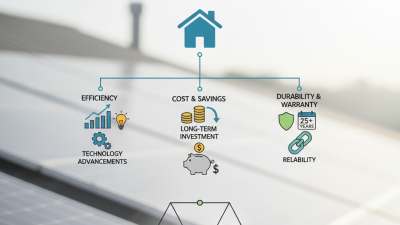
When choosing solar power solutions for your home, several factors come into play. The first consideration is your energy needs. Assess your household energy consumption. A thorough analysis helps in selecting the right solar system size. Next, consider the efficiency of different solar panels. Higher efficiency means more energy production within a smaller space.
Another key aspect is sunlight exposure. Evaluate your property to determine how much sunlight your roof receives. Shading from trees or nearby buildings can reduce system effectiveness. Additionally, think about your budget. Installation costs vary, and some systems require more investment upfront. Balance the long-term savings against initial expenses.
It’s also valuable to think about warranties and the lifespan of the system. Reliable warranties indicate quality and manufacturer confidence. Systems often last 25 years or more, but maintenance is crucial. A poorly maintained system may underperform. It’s wise to reflect on these aspects to ensure an informed decision.
Cost Analysis: Investing in Home Solar Power Solutions
Investing in home solar power solutions can be a significant commitment. Homeowners often consider the initial cost as a major factor. On average, a solar panel system can cost anywhere from $15,000 to $30,000. This range greatly depends on the size and efficiency of the system. Additionally, installation costs and geographical location play a key role in determining the overall price.
While the upfront investment might seem daunting, the long-term savings can be substantial. Homeowners often see a reduced electricity bill. Some even achieve energy independence over time. However, potential buyers should consider their local incentives. These can significantly offset initial costs and enhance the return on investment. It's also vital to note that the cost of maintenance for solar systems is relatively low, but failing to monitor performance can lead to missed savings.
Calculating the overall costs must include both installation and future energy savings. Some might find the technology complex. Assessing the right configuration can feel overwhelming. Mistakes in evaluating energy needs can result in overspending. It's essential to gather as much information as possible and consult with professionals. This can lead to wiser investment choices.
Benefits and Challenges of Solar Power for Residential Use
Solar power for home use offers numerous benefits.
It can significantly reduce electricity bills. Homeowners can generate free energy from the sun.
This energy is clean and renewable, reducing carbon footprints.
Over time, solar panels can pay for themselves. Some households even sell excess energy back to the grid.
This creates an additional income stream.
However, there are challenges.
The initial installation costs can be high. Not all homes are suitable for solar panels.
Shade from trees or buildings can limit efficiency. Maintenance is also a consideration.
Panels require cleaning and occasional inspections. Weather can impact energy production.
It’s essential to assess local conditions carefully.
Some areas may not receive enough sunlight year-round. Understanding these factors is crucial for homeowners.
Balancing the benefits and challenges leads to better decisions about solar energy investments.