Best Electric Forklift Battery Options for Your Needs?
In the fast-evolving world of material handling, choosing the right Electric Forklift Battery is crucial. Industry expert John Carter, a leading engineer with over 15 years of experience, states, "The choice of battery can greatly impact efficiency and operational costs." This highlights the importance of understanding your specific needs.
Electric Forklift Batteries come in various types, such as lead-acid and lithium-ion. Each type has distinct advantages and limitations. Many operators realize the decision can be overwhelming. Nevertheless, selecting the appropriate battery isn't just about cost; it's about performance and reliability.
Neglecting to consider capacity, charging time, and lifespan can lead to inefficiencies. It's vital for businesses to evaluate their unique requirements. Making informed choices can enhance productivity and reduce downtime. In this landscape, having expert insights can clarify the complexities of Electric Forklift Battery options.
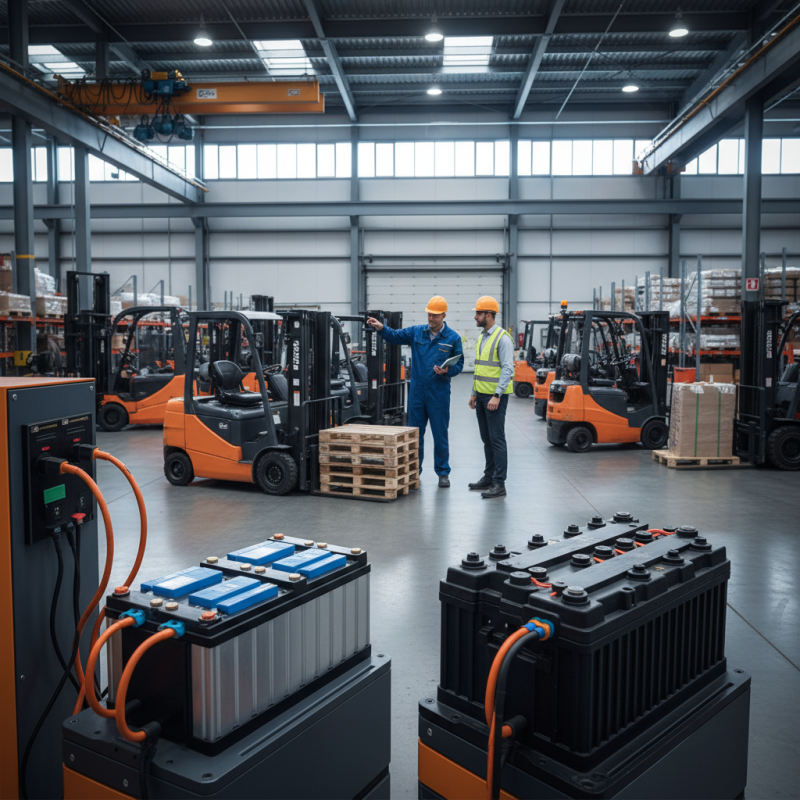
Understanding Electric Forklift Batteries: Types and Technologies
Electric forklifts are becoming increasingly popular in various industries. This shift primarily stems from their environmental advantages. Understanding the different types of electric forklift batteries is essential for maximizing efficiency and lifespan. Lead-acid and lithium-ion are the two most common types. Lead-acid batteries are well-known for their affordability but may require frequent maintenance. In contrast, lithium-ion batteries offer a longer lifespan with minimal upkeep. A report by the Industrial Truck Association indicates that lithium-ion technology is expected to grow by over 15% annually through 2025.
Technical considerations also play a vital role. Battery capacity, measured in amp-hours (Ah), directly affects the forklift's operational duration. For instance, a battery with a capacity of 500 Ah can power a forklift for eight hours under standard operating conditions. However, the real-world performance may vary due to factors like temperature and load weight. According to a study from the Electric Power Research Institute, temperature fluctuations can reduce battery efficiency by up to 10%.
Employing the right battery type can determine productivity levels. Selecting an inappropriate battery may lead to downtime and increased costs. Battery management systems (BMS) can optimize performance but require initial investment and training for personnel. Many businesses overlook this crucial aspect, leading to inefficiencies that impact overall productivity. Understanding these challenges can guide operators in making informed decisions about their electric forklift battery needs.
Key Factors to Consider When Choosing Electric Forklift Batteries
When selecting electric forklift batteries, several key factors must be evaluated. Battery type is crucial. You can choose between lead-acid and lithium-ion. Lead-acid batteries are cost-effective and reliable but require more maintenance. Lithium-ion models, on the other hand, offer longer life and faster charging times. Your choice will depend on budget and operational needs.
Capacity and lifespan are also important. Assess the amp-hour (Ah) rating to ensure it meets your usage demands. A higher Ah generally means longer operational time. Consider the battery’s cycle life as well. A battery that lasts for more cycles reduces replacement frequency. This can save money in the long term.
Charging options can impact your decision as well. Some facilities may need fast-charging capabilities. Others might prefer standard charging for lower costs. Evaluate your charging infrastructure carefully. Remember, improper charging can lead to reduced battery life. It’s essential to reflect on these factors for making the right choice.
Top Electric Forklift Battery Brands and Their Offerings
When it comes to selecting electric forklift batteries, the options can be vast. Various brands offer unique features that cater to different operational needs. Some batteries focus on durability, ensuring long cycles even in tough environments. Others emphasize efficiency, providing quick charge times and extended usage. This variety can lead to confusion. It’s crucial to assess your specific requirements before choosing.
Many leading brands have specialized offerings. Some focus on lithium-ion technology, known for its lightweight and longevity. Others may provide traditional lead-acid options, which are often more cost-effective upfront. It's important to consider the trade-offs between initial costs and long-term performance. Users often report personal experiences that highlight the durability or inefficiency of specific battery types. Understanding these insights helps inform better decisions.
Researching consumer feedback can reveal performance inconsistencies. Often, products don’t meet expectations. Users frequently mention issues such as charging times and battery life discrepancies. Observing these patterns can guide your purchase. Knowing what works for others can save you time and resources. Evaluating various electric forklift battery brands is crucial to finding a reliable option that fits your operational needs.
Best Electric Forklift Battery Options for Your Needs
| Battery Type | Capacity (Ah) | Voltage (V) | Chemistry | Average Lifespan (Years) |
| Lead Acid | 500 | 48 | Lead Acid | 3-5 |
| Lithium-ion | 600 | 48 | Lithium-ion | 8-10 |
| Gel Cell | 450 | 48 | Gel | 4-6 |
| Absorbent Glass Mat (AGM) | 550 | 48 | AGM | 5-7 |
| Nickel Cadmium | 400 | 48 | NiCd | 15-20 |
Maintenance Tips for Extending Electric Forklift Battery Life
Proper maintenance is crucial for extending the life of electric forklift batteries. Regular inspection can help identify issues early. Check fluid levels and look for any corrosion on terminals. Clean connections to ensure optimal performance. Battery longevity depends on how well it is cared for.
Charging practices also play a vital role. Avoid letting the battery discharge completely. Recharge it when levels hit 20%. This habit can significantly prolong its lifespan. Make sure to use the right charger. Different batteries require specific charging techniques.
Temperature can impact battery efficiency. Store batteries in a cool, dry place. Extreme heat or cold can reduce performance. Monitor the environment to avoid unnecessary wear. By following these maintenance tips, operators can optimize battery performance and enhance their equipment's efficiency.
Cost Considerations: Budgeting for Electric Forklift Batteries
When considering electric forklift batteries, cost is a major factor. According to a recent industry report, battery expenses typically account for 20-30% of total forklift costs. This percentage can vary based on battery type and capacity. Lithium-ion batteries tend to be more expensive upfront but last longer and offer lower operating costs. They require less maintenance than lead-acid batteries, which may lead to savings over time.
Furthermore, the overall budget should include not only the purchase price but also installation costs. Charging infrastructure can add to the initial expenditure. A study by Market Research Future indicates that businesses should allocate 10-15% of their total material handling budget for battery systems. This underscores the need for thorough budgeting. Companies must assess their operational needs and battery lifespan to avoid unexpected costs down the line.
In some cases, businesses could overspend on batteries that aren't ideal for their operations. For instance, choosing a higher-capacity battery for lighter tasks may be unnecessary. Analyzing specific usage patterns can help optimize battery investment. It's crucial to seek expert advice to tailor choices to unique operational demands. Proper planning will enhance efficiency and maximize the return on investment for electric forklift batteries.
Battery Cost Considerations for Electric Forklifts
