Become a SmartFlower
Dealer or Installer.

Top 10 Benefits of Using Ball End Mill in Machining?

In the world of machining, choosing the right tool is crucial. The Ball End Mill stands out for various reasons. Its unique design allows for complex shaping and contouring. This tool is not just a standard milling cutter; it's versatile and efficient.

Using a Ball End Mill enhances the machining process. It produces finer details in three-dimensional workpieces. This tool can reach areas that flat mills cannot. However, it’s important to consider that not every application benefits from this end mill.

Despite its advantages, some may face challenges. Achieving optimal speeds and feeds can require experience. Proper setup is essential to avoid errors. The Ball End Mill offers significant benefits, but its effectiveness depends on the operator's skill.
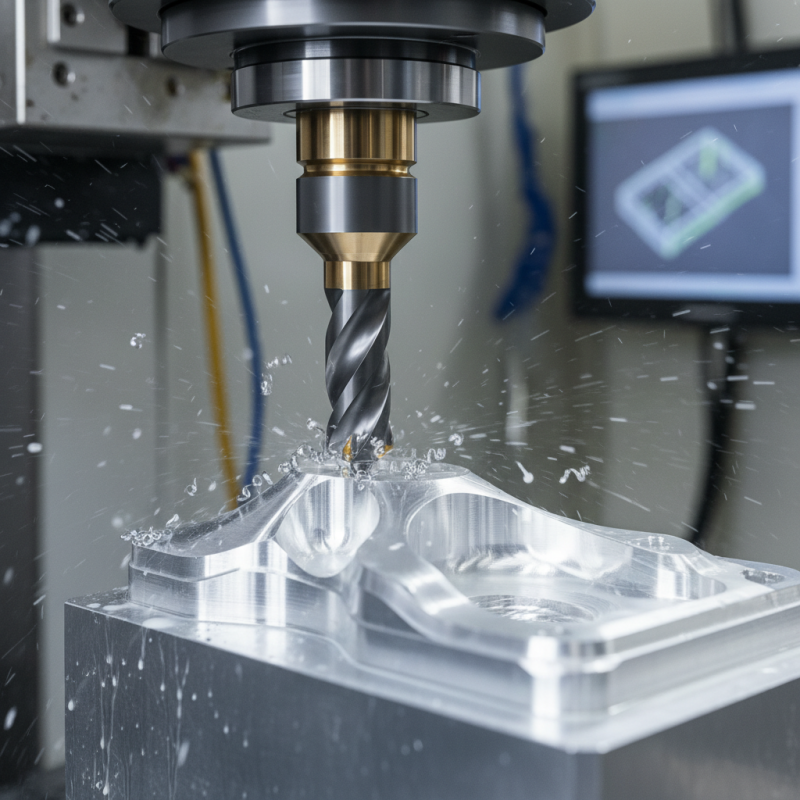
Top 10 Benefits of Using Ball End Mill in Machining?

Benefits of Enhanced Surface Finish with Ball End Mills

Ball end mills are known for their ability to produce a superior surface finish in machining applications. This is primarily because their rounded tips can contour complex shapes with efficiency. Unlike flat end mills, they engage the material more gently. This leads to fewer marks and an overall smoother surface. Perfect for molds and dies, these tools create a high-quality finish that reduces the need for extensive secondary processes.

Using ball end mills can also enhance the machining of intricate geometries. The design allows for deeper cuts and wider radii, increasing versatility. However, one must be cautious about choice of material and speed settings. Improper parameters can result in undesirable surface quality. This can be a frustrating learning curve for machinists. Experimentation can help nail the optimum conditions, but it requires patience and attention to detail. Such challenges can serve as valuable lessons for improving future projects.

Increased Tool Life and Durability of Ball End Mills

Ball end mills have become a staple in the machining industry due to their unique design. They provide better contouring capabilities and are ideal for producing curved surfaces. A significant advantage of these tools is their increased tool life. Studies have shown that proper use of ball end mills can lead to a tool life increase of up to 30%. This is largely attributed to their ability to distribute cutting forces evenly, reducing wear on the edges.

Durability is another crucial aspect when considering ball end mills. A report from the National Tooling and Machining Association highlights that using high-quality materials in ball end mill production results in reduced breakage and chipping. Many users have noticed that switching to optimized cutting parameters further extends their tools' durability. However, there are still challenges, such as ensuring consistent quality across different batches.

Tools must also be properly maintained to maximize their lifespan. Regular inspection and sharpening are vital. A study by Machining Journal revealed that unmaintained tools can wear down rapidly, negating any advantages. Users often find that practical experience differs from theoretical advantages, indicating a need for more research into optimal maintenance practices.

Versatility in Cutting Complex Geometries with Ball End Mills

Ball end mills are essential tools in machining due to their versatility in cutting complex geometries. These tools excel at creating rounded profiles and contours, making them ideal for intricate designs. According to industry reports, over 30% of machining operations involve complex geometrical shapes that require precise tooling. A ball end mill can provide that precision, particularly in three-dimensional milling applications.

One significant advantage is their ability to reduce tool stress. Unlike flat end mills, ball end mills distribute cutting forces evenly. This helps in achieving smoother finishes on curved surfaces, often necessary in industries like aerospace and automotive. A study by the Manufacturing Technology Association revealed that using ball end mills can enhance productivity by up to 25% in multi-axis operations.

However, there are challenges. The high cost of high-quality ball end mills can be a barrier for smaller operations. Additionally, choosing the right diameter and flute design is vital to optimize performance. Improper selection can lead to poor surface finish or excessive wear, requiring careful evaluation. As the industry evolves, adapting to advanced materials and machining techniques will be crucial for maximizing the benefits of ball end mills.

Improved Chip Removal for Efficient Machining Processes

Ball end mills are becoming essential tools in machining due to their unique shape, which significantly enhances chip removal. Efficient chip removal is crucial for maintaining the smooth operation of milling processes. With their rounded ends, ball end mills can reach complex geometries, allowing for better clearance of chips. This design leads to less clogging and, consequently, a more efficient workflow.

For effective chip removal, consider adjusting your feed rate. Too high of a speed can lead to excessive heat and tool wear. Monitoring the depth of cut is also important. A shallow cut can help reduce chip volume, but may require multiple passes. Keep an eye on your coolant system as well. Proper cooling improves chip handling and extends tool life.

Tip: Regularly check your tooling and setup for signs of wear or deformation. These can impact your machining efficiency. Remember, not every cut will be perfect; embrace these moments for learning. Sometimes a small adjustment leads to significant improvements.

Top 10 Benefits of Using Ball End Mill in Machining

Benefit Description Impact on Machining Process
Improved Chip Removal The design of the ball end mill facilitates better chip flow, reducing clogging. Enhances cutting efficiency and surface finish quality.
Enhanced Surface Finish Produces smoother and more refined surface contours. Reduces post-machining operations for finishing.
Versatility Can be used in a variety of materials including metals and plastics. Adaptable for different machining needs and applications.
Complex Geometry Creation Allows machining of intricate shapes and designs. Facilitates advanced designs in engineering and manufacturing.
Reduced Tool Wear Better distribution of cutting forces extends tool life. Lower operational costs and reduced downtime for tool changes.
Improved Accuracy Precise control over cutting depth and detail. Enhances product quality and meet tight tolerances.
Reduced Setup Time Fewer tool changes lead to increased productivity. Streamlines workflow in manufacturing processes.
Excellent for 3D Contouring Ideal for creating 3D surfaces and contours. Enhances capabilities for mold and die making.
Consistency in Production Delivers uniform results across multiple parts. Meets quality standards and increases customer satisfaction.
Cost-Effectiveness Lower per-part production costs due to efficiency. Improves profitability and competitiveness in the market.

Optimized Precision and Accuracy in Dimensional Tolerance with Ball End Mills

When it comes to machining, precision is paramount. Ball end mills excel in achieving optimized accuracy for dimensional tolerance. They have a unique design that allows them to create curved surfaces and intricate details. This makes them suitable for tasks requiring exact depth control. In applications like contouring, they provide smoother finishes and reduce the risk of tool marks.

The ability of ball end mills to maintain tight tolerances is crucial in various industries. They are often used in mold making and aerospace applications where minor deviations can have significant consequences. Additionally, the spherical shape of the tool enables better chip flow, which enhances efficiency. However, not every machining setup benefits equally from a ball end mill. In some cases, operators face challenges in choosing the right tool for specific tasks.

Feedback from users highlights the learning curve involved. Achieving the desired outcomes requires practice and a deep understanding of machining parameters. Sometimes, operators may overlook the importance of experimentation. Each machining job brings unique challenges that need attention and reflection. It’s essential to continuously evaluate results and adapt strategies for better performance.

Top 10 Benefits of Using Ball End Mill in Machining