Top Benefits of Solar Flower Panels for Sustainable Energy Solutions?
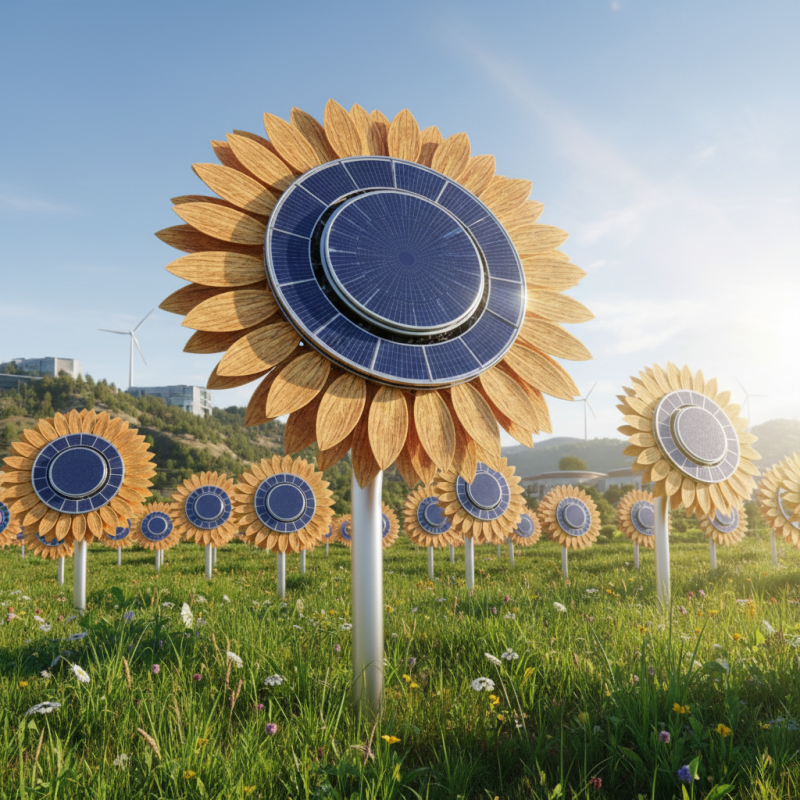
The emergence of the solar flower panel represents a significant shift in sustainable energy solutions. Designed to mimic the natural movement of a sunflower, these panels optimize sunlight absorption. Their unique structure allows for increased energy efficiency, which is crucial in today's energy landscape.
Adopting solar flower panels can lead to substantial benefits. They not only reduce electricity costs but also help decrease carbon footprints. By harnessing renewable energy, communities can move towards long-term sustainability. However, challenges exist, such as initial installation costs and the necessity for adequate space.
Public awareness and education are essential for widespread adoption. Proper understanding of their functionality can lead to greater acceptance. Overall, while solar flower panels offer exciting opportunities, ongoing research and community involvement remain key to their success.
Understanding Solar Flower Panels and Their Functionality
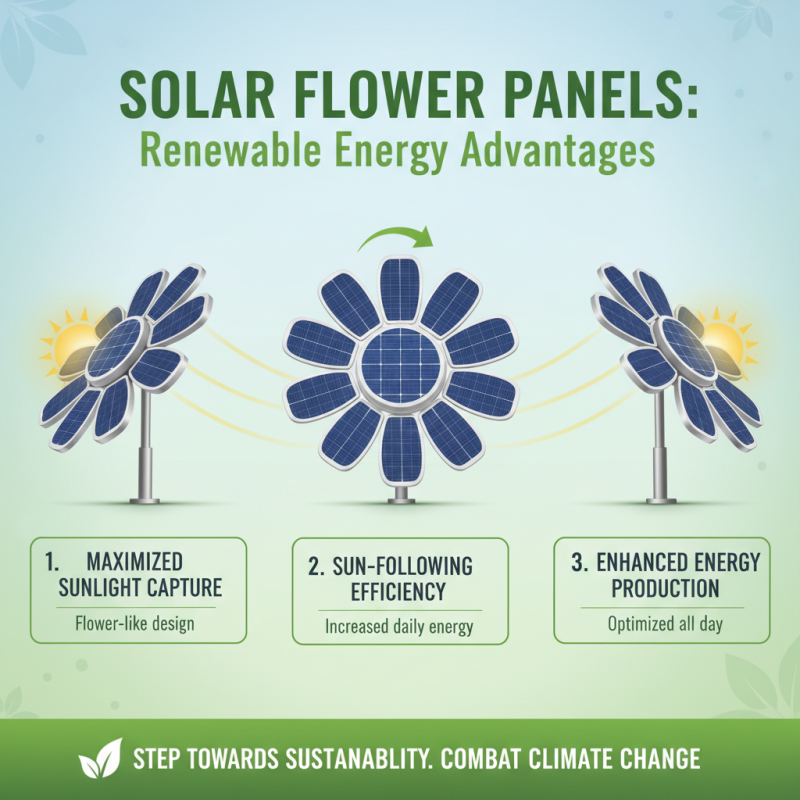
Solar flower panels are a captivating innovation in renewable energy. Their unique design mimics flowers, allowing them to track the sun throughout the day. This functionality maximizes energy absorption. The rotating feature increases efficiency compared to traditional stationary panels. Each solar flower unit can produce a significant amount of power, making them ideal for various settings.
In an urban context, these panels can enhance aesthetics. Instead of bare rooftops, flourishing solar flowers can beautify spaces. They promote sustainable energy awareness in communities. However, the initial cost can be a barrier for many. Ongoing maintenance is an essential consideration, as wear and tear can affect performance.
Installation locations play a critical role. Ideal spots should be unshaded and accessible for cleaning. Some may find these panels less effective in regions with limited sunlight. Balancing design and functionality raises ongoing questions. Are solar flower panels the most practical solution for all environments? This remains an open dialogue in the quest for cleaner energy.
Top Benefits of Solar Flower Panels for Sustainable Energy Solutions
| Benefit |
Description |
| Space Efficiency |
Solar flower panels have a compact and aesthetic design, making them ideal for urban settings or areas with limited space. |
| Energy Generation |
These panels can produce a significant amount of energy, often utilizing tracking technology to maximize sun exposure throughout the day. |
| Sustainability |
Solar flower panels contribute to reducing carbon footprints and reliance on fossil fuels, enhancing sustainable energy solutions. |
| Aesthetic Appeal |
Their unique flower-like design adds a visual element to renewable energy installations, making them more appealing to the general public. |
| Low Maintenance |
Once installed, solar flower panels require minimal maintenance compared to traditional solar panels, ensuring convenience for users. |
| Grid Independence |
Solar flower panels can contribute to energy self-sufficiency, allowing users to harness solar energy for their needs without relying on the grid. |
Key Advantages of Solar Flower Panels in Renewable Energy
Solar flower panels are an innovative solution for renewable energy. These unique structures resemble flowers, maximizing sunlight capture. They are designed to follow the sun's path, enhancing efficiency significantly. This movement allows for better energy production throughout the day. With climate change concerns, adopting such technology is a step toward sustainability.
The aesthetic appeal of solar flower panels also contributes to urban landscapes. They blend into parks or public spaces, making a statement about green technology. Integrating these panels can transform ordinary environments into vibrant hubs of renewable energy. However, the installation process can be complex and may require skilled professionals. Proper planning and assessment are vital to avoid potential pitfalls.
Tips for choosing solar flower panels: Research different models and their efficiencies. Don’t overlook the importance of local climate and sunlight availability. Consulting with experts is beneficial for tailored solutions. Regular maintenance ensures longevity and optimal performance. This approach can save costs in the long run while contributing to a sustainable future.
Comparison of Solar Flower Panels with Traditional Solar Panels
Solar flower panels represent an innovative alternative to traditional solar panels. Their distinct design mimics a flower, which not only enhances aesthetic appeal but also optimizes sunlight capture. Unlike conventional panels, solar flowers can track the sun’s movement throughout the day. This feature increases efficiency and output significantly.
Traditional solar panels are often static. They provide energy but lack the adaptability of flower panels. Solar flowers can generate more energy in lower light conditions. This means they can perform better in overcast weather or during winter months. They are also more visible, which might encourage community engagement in sustainable practices.
Tips for choosing solar solutions: Consider your roof space carefully. If it’s limited, a flower panel's versatility might be beneficial. Assess local weather patterns, as some regions benefit more from dynamic solar technology. Finally, don’t forget to evaluate your energy needs, ensuring your choice aligns with your household consumption. Keeping these factors in mind can lead to a more informed decision.
Environmental Impact of Using Solar Flower Panels
Solar flower panels present a unique solution for harnessing solar energy while minimizing environmental impact. These innovative structures mimic the appearance of flowers, providing aesthetic value in addition to energy generation. They capture sunlight efficiently due to their ability to track the sun’s movement. The design allows for maximum exposure throughout the day, increasing energy output.
Another significant environmental benefit is their ability to blend into natural landscapes. This minimizes disruption to local ecosystems. Unlike traditional solar panels, solar flowers can be installed in urban spaces without overwhelming their surroundings. However, the production of these panels does involve some carbon footprint. There remains ongoing debate over the lifecycle impact of manufacturing their advanced components. Despite this, their potential for renewable energy generation is noteworthy.
While solar flower panels are a step toward sustainable energy, challenges remain. The upfront costs can be higher compared to conventional solutions. Furthermore, their effectiveness is influenced by weather conditions, such as cloudy days or heavy rain. Understanding these nuances is essential for informed decision-making. As we explore sustainable technologies, it's crucial to weigh the benefits against the limitations.
Future Trends in Solar Flower Panel Technology and Adoption
Solar flower panels represent the intersection of art and technology. These innovative structures mimic the natural photosynthesis process. Future trends in this technology reveal a focus on efficiency and aesthetic appeal. Researchers are exploring ways to enhance energy capture using advanced materials. The petals of these panels can track the sun. This feature maximizes energy production throughout the day.
Adoption is increasing, particularly in urban landscapes. Cities are recognizing the need for green infrastructure. Solar flowers can transform underutilized spaces into energy-producing hubs. They can fit into parks or public squares, adding beauty along with functionality. However, cost remains a barrier. The initial investment may deter some communities from adopting this technology.
Potential challenges exist. Maintenance can be complex due to moving parts. Furthermore, energy output varies throughout the seasons. Public awareness is another hurdle. Many may not understand the benefits of solar flower panels. Education will be key to overcoming these obstacles, allowing for broader acceptance. The future looks bright, but it requires informed decision-making.