Become a SmartFlower
Dealer or Installer.

2026 Top Solar Flower Panel Innovations and Trends to Watch?

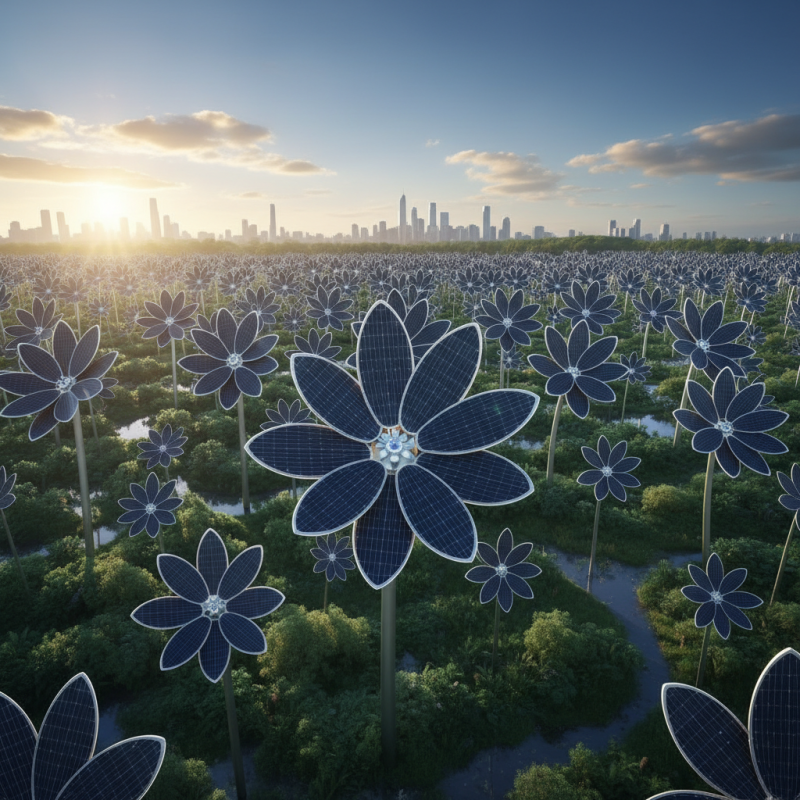
As we look towards 2026, the solar flower panel market is evolving rapidly. These innovative designs are not just functional; they are also aesthetically pleasing. Solar flower panels mimic the natural beauty of flowers while harnessing renewable energy. This unique combination could attract more people to solar technology.

Recent trends indicate a surge in eco-friendly designs. The solar flower panel is at the forefront of this shift. New materials are being developed to enhance efficiency and decrease costs. The integration of smart technology also allows for better energy management. This growing trend showcases the importance of innovation in sustainable solutions.

However, challenges remain. Some consumers question the long-term durability of solar flower panels. Others worry about the initial investment required. Understanding these factors is essential for broader adoption. As the industry progresses, it will be crucial to address these concerns while highlighting the benefits of solar flower panel technology.
2026 Top Solar Flower Panel Innovations and Trends to Watch?

Future of Solar Flower Panels: An Overview of Innovations

2026 Top Solar Flower Panel Innovations and Trends to Watch?

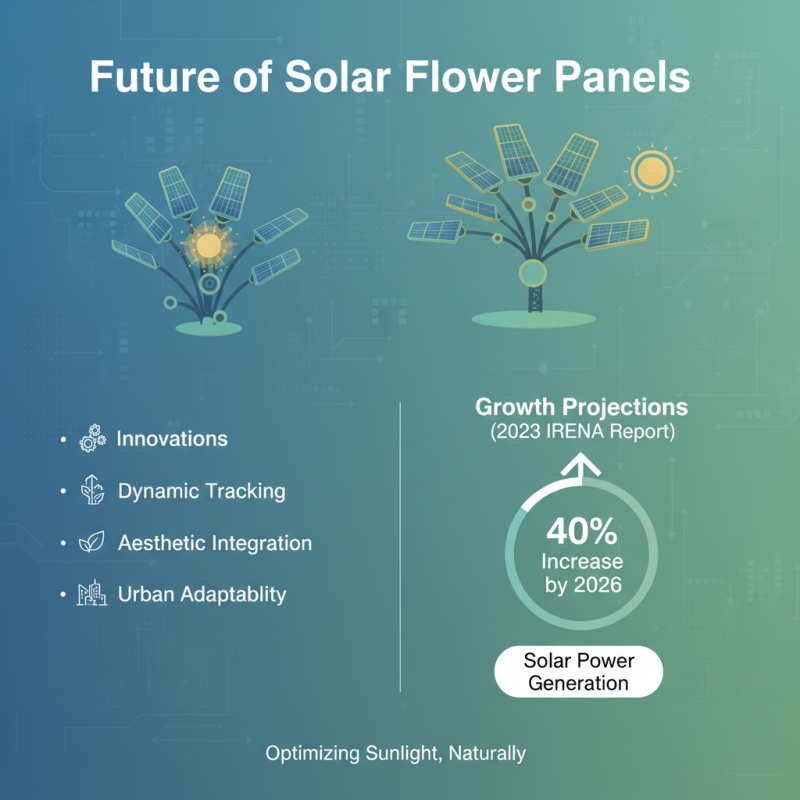
The future of solar flower panels is promising, driven by innovative designs and technology. According to a 2023 report from the International Renewable Energy Agency (IRENA), solar power generation is projected to grow by 40% by 2026. Solar flower panels, with their unique aesthetic and functional versatility, are gaining traction in urban designs. These panels mimic the natural movement of flowers, optimizing sunlight exposure throughout the day.

One innovation involves improved photovoltaic materials. Newer materials promise higher efficiency rates. Research indicates that some solar flowers can achieve efficiencies of up to 25%. Despite progress, challenges in durability and cost-effectiveness remain. The investment required for these advanced systems can deter potential users, especially in competitive markets.

Another trend to watch is automation. Smart technology can enhance the performance of solar flower panels. Incorporating sensors and IoT connectivity facilitates real-time monitoring. However, the complexity of these systems may lead to maintenance challenges. Users may find it difficult to troubleshoot issues without professional help. Balancing innovation, user-friendliness, and affordability remains crucial for widespread adoption.
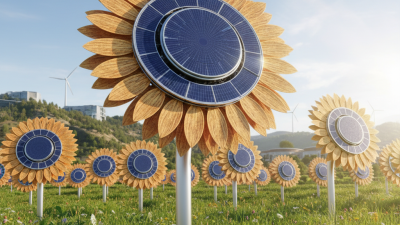
Key Technological Advancements in Solar Flower Panel Design

2026 Top Solar Flower Panel Innovations and Trends to Watch?

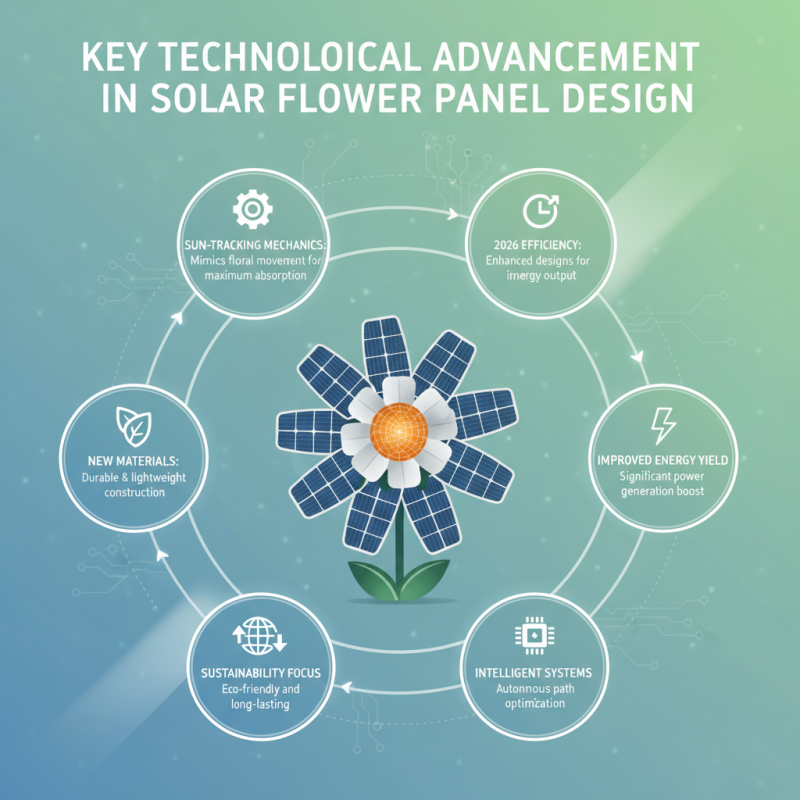
The future of solar flower panel design promises exciting advancements. These innovative panels mimic the movement of flowers, following the sun's path for maximum energy absorption. In 2026, we can expect more efficient designs that can significantly enhance energy output. New materials will play a key role in this evolution, making panels more durable and lightweight.

Moreover, the integration of smart technology is gaining traction. Sensors and AI can optimize solar energy collection, adjusting the angle and position in real-time. These developments may lead to a more intelligent energy system, reducing reliance on traditional power sources. However, challenges remain in cost and accessibility. Many regions may struggle to adopt these technologies due to financial constraints.

As we look at these trends, the balance between innovation and practical application becomes crucial. While the technology itself is promising, its implementation must address environmental and economic factors. Only by overcoming these challenges can the industry fully realize the potential of solar flower panels.

Emerging Trends in Solar Efficiency and Aesthetics

As we approach 2026, solar flower panels are evolving, focusing on both efficiency and aesthetics. These innovative designs mimic natural flowers, enhancing outdoor environments. They capture sunlight from various angles, optimizing energy absorption. Such functionality widens their applicability in urban spaces and residential areas.

Embracing solar efficiency doesn't mean sacrificing style. Emerging trends highlight sleek designs that complement architecture. The use of vibrant colors and organic shapes may transform rooftops and gardens. Homeowners can integrate these panels seamlessly into their spaces. The appeal lies not just in energy savings but also in visual charm.

Tips: When selecting solar panels, consider their aesthetic impact. Reflect on how various designs fit into your landscape. Consult with local experts to understand installation nuances. Engage in community discussions about innovative ideas. This may provide insights into acceptable practices and emergent trends.

Integration of Smart Technology in Solar Flower Panels

The integration of smart technology in solar flower panels is revolutionizing renewable energy. These innovative panels mimic flowers by tracking the sun throughout the day. This design maximizes energy capture, leading to more efficient power generation.

Smart technology enhances user interaction. Sensors monitor sunlight and adjust panel angles automatically. This feature ensures optimal performance while reducing manual adjustments. Additionally, some systems allow remote monitoring through mobile applications. This provides live data on energy production and system health.

However, challenges lie ahead. The complexity of smart systems may lead to maintenance issues. Users must understand the technology for effective troubleshooting. Furthermore, reliance on tech raises concerns about vulnerability. Cybersecurity threats could compromise energy security. As the market evolves, balancing innovation with reliability will be essential for future developments in solar flower panels.

2026 Solar Flower Panel Innovations: Integration of Smart Technology

Sustainability Practices in Solar Flower Panel Production

Solar flower panels represent a fascinating convergence of technology and sustainability. The production methods for these innovative panels are rapidly evolving. Manufacturers are increasingly focused on sustainable practices to minimize environmental impact. This includes using recyclable materials wherever possible. It also involves employing renewable energy sources in the manufacturing process. Such practices are essential in creating a circular economy.

An important aspect of sustainability in solar flower panel production is energy efficiency. Many factories are re-evaluating their energy consumption. They aim to reduce waste and increase output. However, challenges remain. The adoption of green materials can sometimes lead to higher costs. Not all manufacturers have the resources to invest in sustainable practices fully. As the industry grows, it is crucial for companies to balance sustainability with profitability.

Additionally, the global supply chain must adapt to these changes. Efficient sourcing of sustainable materials can be difficult. Companies need to collaborate with trusted suppliers who share a commitment to sustainability. This can sometimes slow down production timelines. However, these efforts are vital for building a more resilient future for solar technologies. The journey towards sustainable production will require constant reflection and adaptation.

2026 Top Solar Flower Panel Innovations and Trends to Watch

Innovation/Trend Description Impact on Sustainability Projected Growth
Biodegradable Solar Panels Panels made from eco-friendly materials that decompose naturally. Reduces waste and environmental impact at end-of-life. 15% annual growth by 2026.
Smart Solar Tracking Technology that adjusts panel angles for optimal sunlight capture. Increases energy efficiency and output, minimizing land use. 20% annual increase in implementation.
Integrated Battery Storage Solar panels with built-in battery systems for energy storage. Promotes energy independence and reduces reliance on the grid. 30% increase projected in residential markets.
Enhanced Durability Materials Utilization of more rugged materials to withstand extreme weather. Lowers maintenance costs and prolongs panel lifespan. 10% rise in adoption rate by 2026.
Urban Solar Solutions Designs for rooftops and urban environments, maximizing limited space. Use of urban areas for renewable energy generation. 25% growth predicted in urban settings.